
Since Superman's 1939 debut, superheroes have jumped from strips to the big screen, culminating in the subgenre's peak in popularity by the late 2010s. Avengers: Infinity War and Avengers: Endgame became two of the highest-grossing movies in the world, often touted as must-see theatrical events that everyone would talk about in the weeks, months, and years following their release. But Superman and his legacy have, time and again, failed to match Marvel’s success, often as a blank canvas. Sometimes, he protects others through violence. Others, he protects through goodwill and preservation. For the hero who invented what is now an entire genre of storytelling, much has been done to say what Superman should mean, rather than what he is supposed to mean.
After DC and Warner Bros. tried and failed to make their own cinematic universe to counteract Marvel’s success, James Gunn swooped in to save what little was left. Whether through style or sheer talent and vision, Gunn took what people loved about DC–the heroes, the villains, the changing tones and themes–and made something fun and endearing from it. With The Suicide Squad and Peacemaker, he reinvented what is to be expected from DC movies post-Snyder. With Superman, he brought audiences back to why they love comic books in the first place, and understood what Superman means to so many.

Today’s theatrical landscape is rife with properties devoid of what made their original concepts worth celebrating as the “next big thing.” But all it takes is a little ambition and creativity to make for some of cinema’s most colorful and refreshing experiences. Gunn is no stranger to the sort, as he has built his recent filmography on how they look and feel, rather than the movie’s name and the property it ties into. With Superman, his thought process remains flashy and chaotic. It almost feels like too much, but putting the audience into Superman’s perspective gives more than enough reason for it and Gunn’s style of filmmaking to feel chaotic. Because that is what Clark sees, bouncing between his job at the Daily Planet and as Superman, trying to seem like it has become a natural part of his routine.
But this film works best as a story picked right out of a comic book, and its score and cinematography do a wonderful job of shifting focus from the film’s flashiness to showcasing its raw power and emotion. Its score blends tunes for this new Superman with those made iconic by John Williams and Christopher Reeves, paying its respects in as good a way as a story that wears its comic book roots on its sleeves. The cinematography feels vibrant and fluid, taking us through the leaps and bounds Superman takes on his way to save the world. The film’s visual effects also help guide audiences better than its contemporaries, making for an experience that ebbs and flows between all its moving parts like a well-oiled machine.
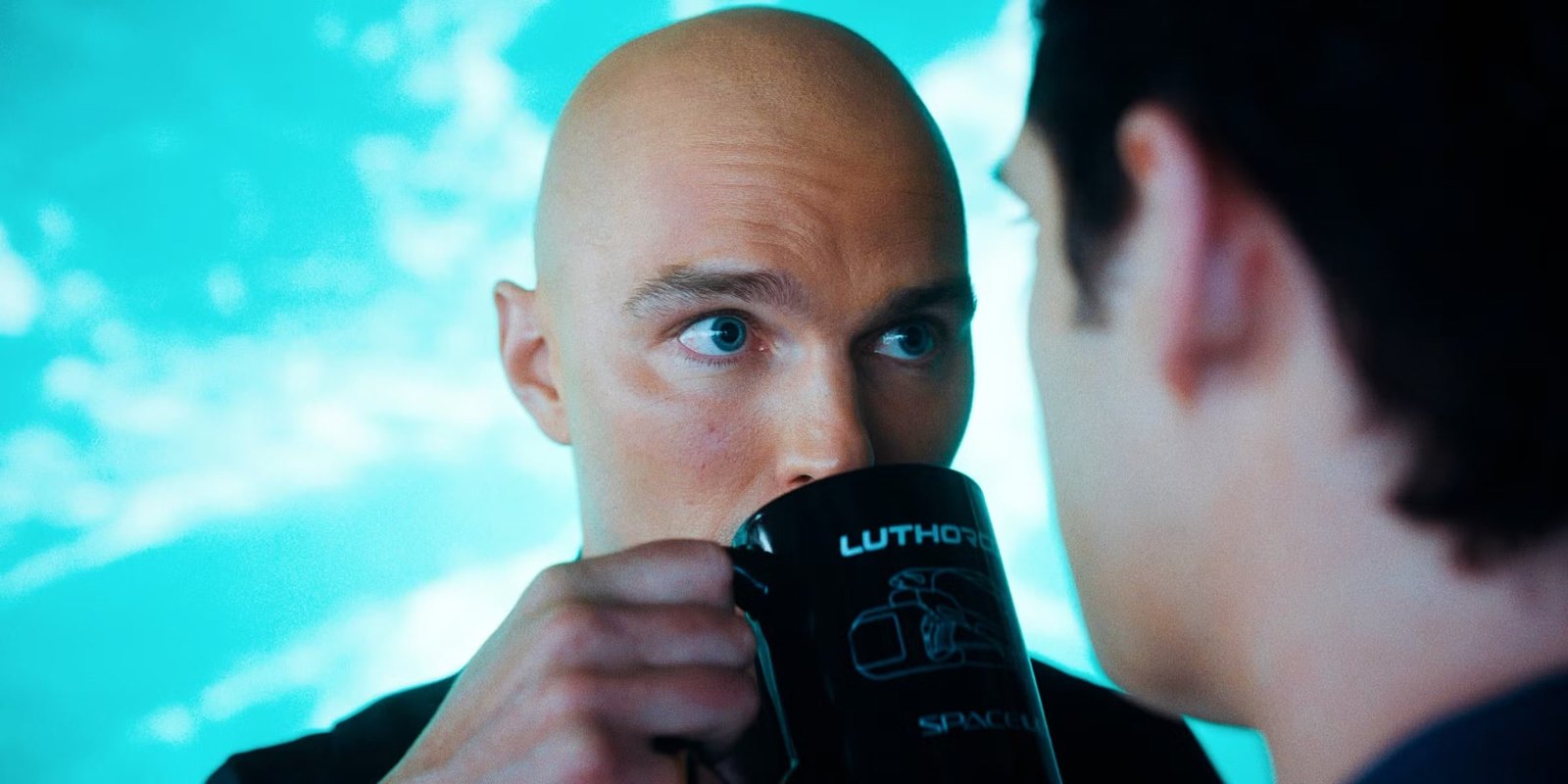
What cannot be overlooked is the cast, who are all fantastic, borderline brilliant, in portraying some of the most interesting (and strangest) characters from DC. Each lead character stands out in every scene they appear in, often to where some deserved, or needed, more screen time. But Lois, Lex, and Superman are the cream of the crop, all carrying purpose and reason in what they think of themselves and how they feel about each other. This often leads to the film’s more comedic or dialogue-heavy exchanges, particularly between Lex and Superman as each of their intentions grows and blemishes as things draw closer to self-imposed disaster.
It should not feel novel to have a villain like Lex Luthor be so dastardly towards a single individual, but Nicholas Hoult makes a compelling argument that we have been missing out on his particular kind of evil in modern storytelling. Likewise, David Corenswet’s Clark Kent and Superman radiate purity and care for their world, making each feel too good to be true and thereby selling the conflict our hero faces throughout his journey. Then, Rachel Brosnahan’s Lois Lane is the more analytical and composed half of her and Clark’s relationship, both becoming a force to be reckoned with as journalist and superhero. Lois, along with a well-delivered cast of supporting characters like Mr. Terrific, Green Lantern, Hawkgirl, and Jimmy Olsen, expresses the organic wit and banter much of the film’s dialogue conveys in its more fast-paced, motive-revealing moments. Some of their gags grow stale the more they are used, but leave enough quips and running jokes for at least one worth laughing about by the time the credits roll.
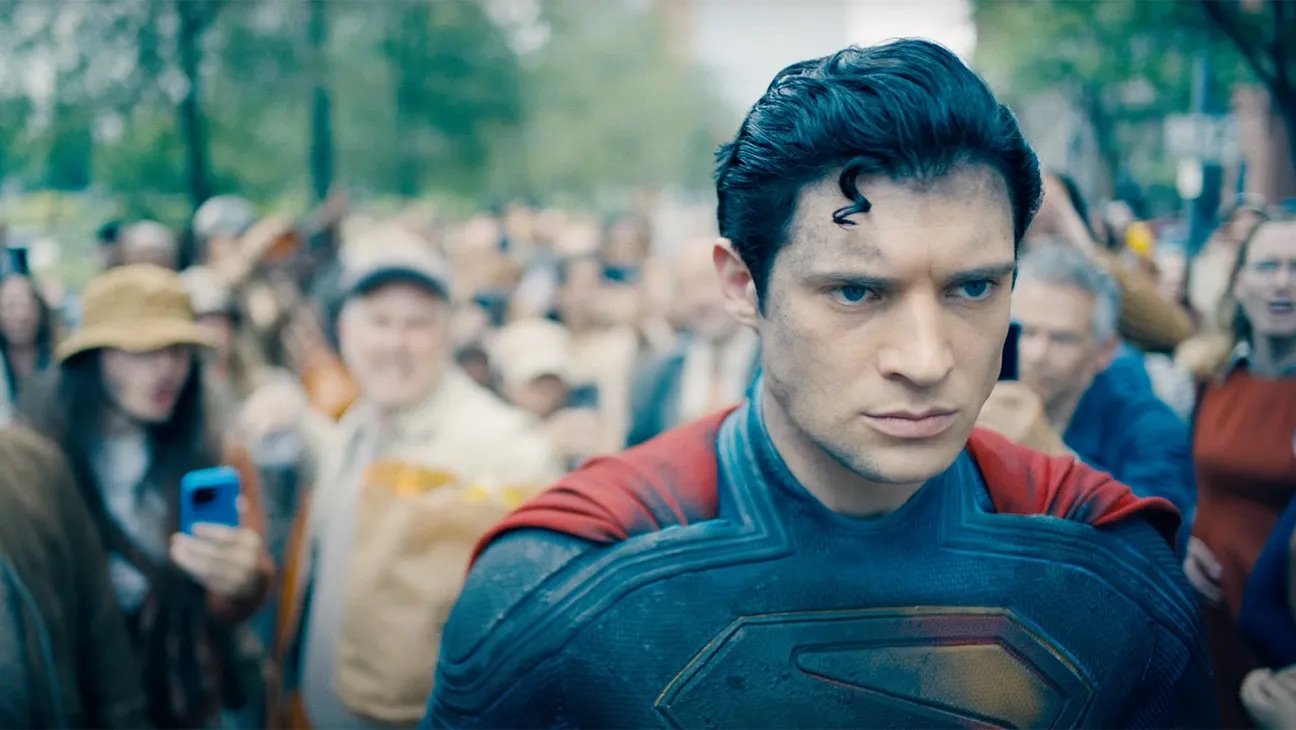
The film’s most divisive yet impressive aspect is how it builds its world. Superman provides exposition through text in its opening moments, bringing people up to speed with where this rendition of a DC universe stands. Its implementation is informative and written with purpose and engagement, but some of it could have been, and occasionally is, implied throughout the film. That said, having that context from the get-go allows more time to shine a light on the world’s other, more subtle details. Audiences watch each character display their insecurities, strengths, and ambitions to get a better taste of how they live their lives and what their world offers.
Lex can have everything needed to stop people like Superman because he has the resources and adamant hatred to make it so. Lois can uncover some of the world’s biggest secrets, but cannot let herself get intimate with those she feels closest to. Clark would end the world’s problems with a heartbeat, but struggles to balance doing the right thing with having justified intentions. Clark must also be vulnerable to himself and the world, because Superman is a symbol of hope and humanity with imperfections of his own. He may not be from here, but he is as human as everyone else. For Gunn to be that direct and explicit about what it means to be human and showcase what people can do to help or harm each other can make this film divisive, yet so pivotal in a landscape has lost sight of how to put such thoughts into context.
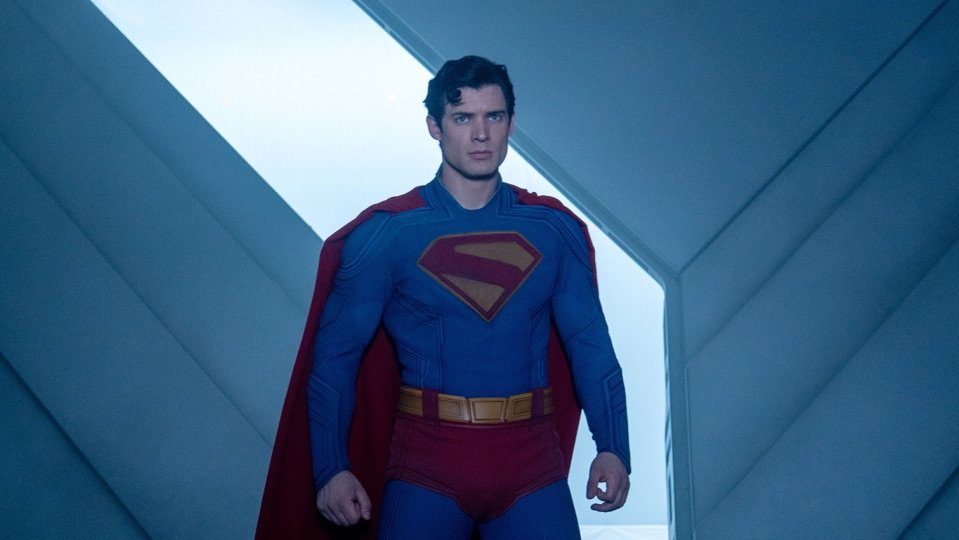
Superman is one of the most refreshing comic book movies in several years, thanks to its dedication to its source material and its significance in pop culture. But Gunn knew better than to slap Superman into a movie and call it a day. He has crafted a world that feels steeped in history and legendary tales of heroism and redemption, with stories being told outside the lens of one lead protagonist. Superhero films have struggled to craft worlds on such a scale, but the variety Gunn brings to the table is enough to set the bar for any adaptation that follows. For better or worse, it feels like a comic book that popped right onto the movie screen. It brings people back to the comic book’s wondrous exploration as a storytelling platform. So Superman may have an excessive cast and first act and a few too many Krypto gags, but it makes for one of the most enjoyable, action-packed summer blockbusters. And it has done so with the comic book character that started it all.
Photo credits: DC Studios, Warner Bros.
© Creative Insight 2024


