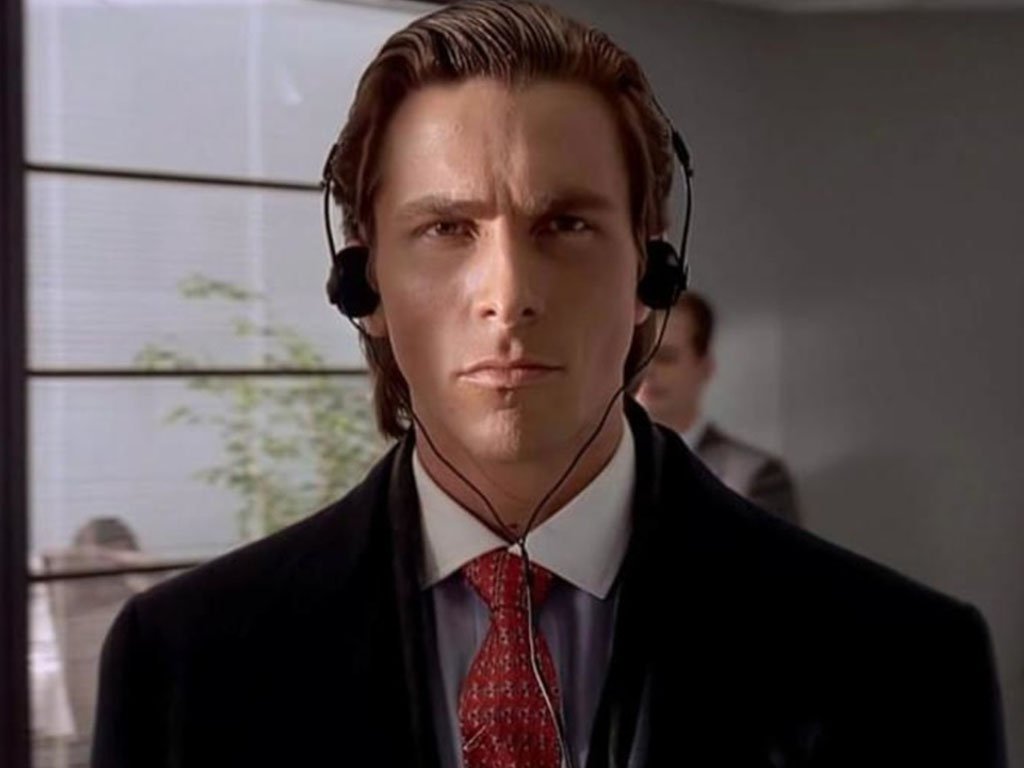
Since the superhero blockbuster breakthrough in the mid-to-late 2000s, the box office has been dominated by IP-related sequels, reboots, and adaptations. They rose to economic success the likes of which had never been seen or done before, but it all came at a price of a diverse palette of offerings to the average movie-goer. Then streaming services joined the party, culminating in every major production company being tied to one of several services. The playing field was spread thin, and so too were production schedules. Marvel couldn’t keep up with their cinematic universe’s output, spawning the elusive “superhero fatigue” from a lack of consistent quality and an overabundance of productions to swim through. With that, the bubble burst: casual audiences were not interested in seeing the next big IP-blockbuster, especially those with decades-long cultural relevance. So what happens now? Do companies try to make the most recent output work despite waning interest and lackluster quality control, or do they pivot back to how things once were and find a balance between IP and original storytelling?
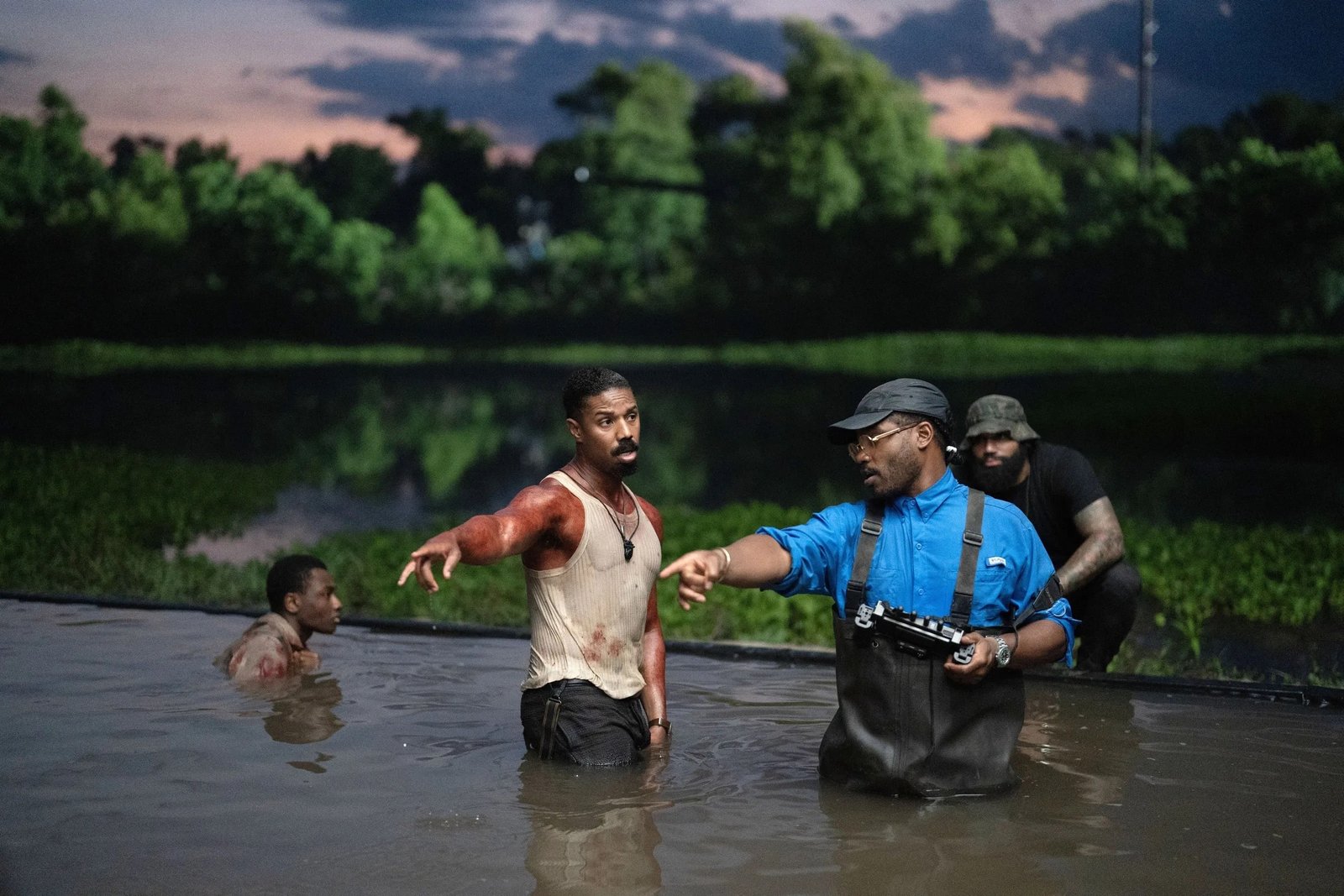
Enter: Ryan Coogler, who began his career alongside an under-the-radar Michael B. Jordan with Fruitvale Station, which became a breakthrough success for both men. Since then, the two have worked together in every Coogler-directed film, with Black Panther becoming their most critically and commercially successful. However, Coogler’s filmography is defined by one key ingredient: the desire to explore and underline African and African-American culture. To him, it doesn’t matter if he makes an iteration of an intellectual property or an original story. What matters is portraying life for his people and their heritage through a contemporary yet equally historical lens. If there were to be someone to make Sinners, an original story about 1930s southern culture and the fight for immigrants and minorities to fight against the melting pot, Coogler would be the guy to make it happen.
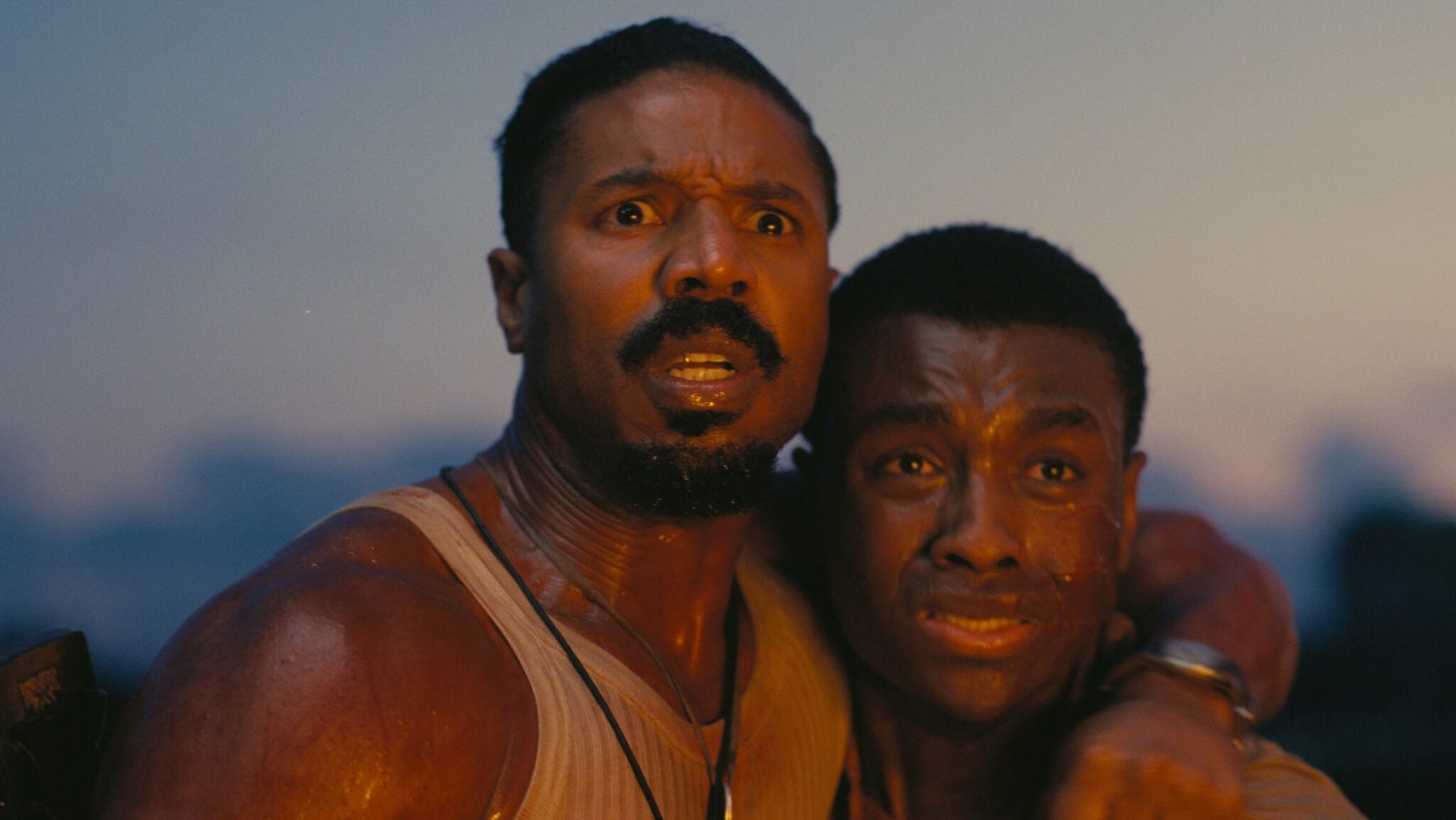
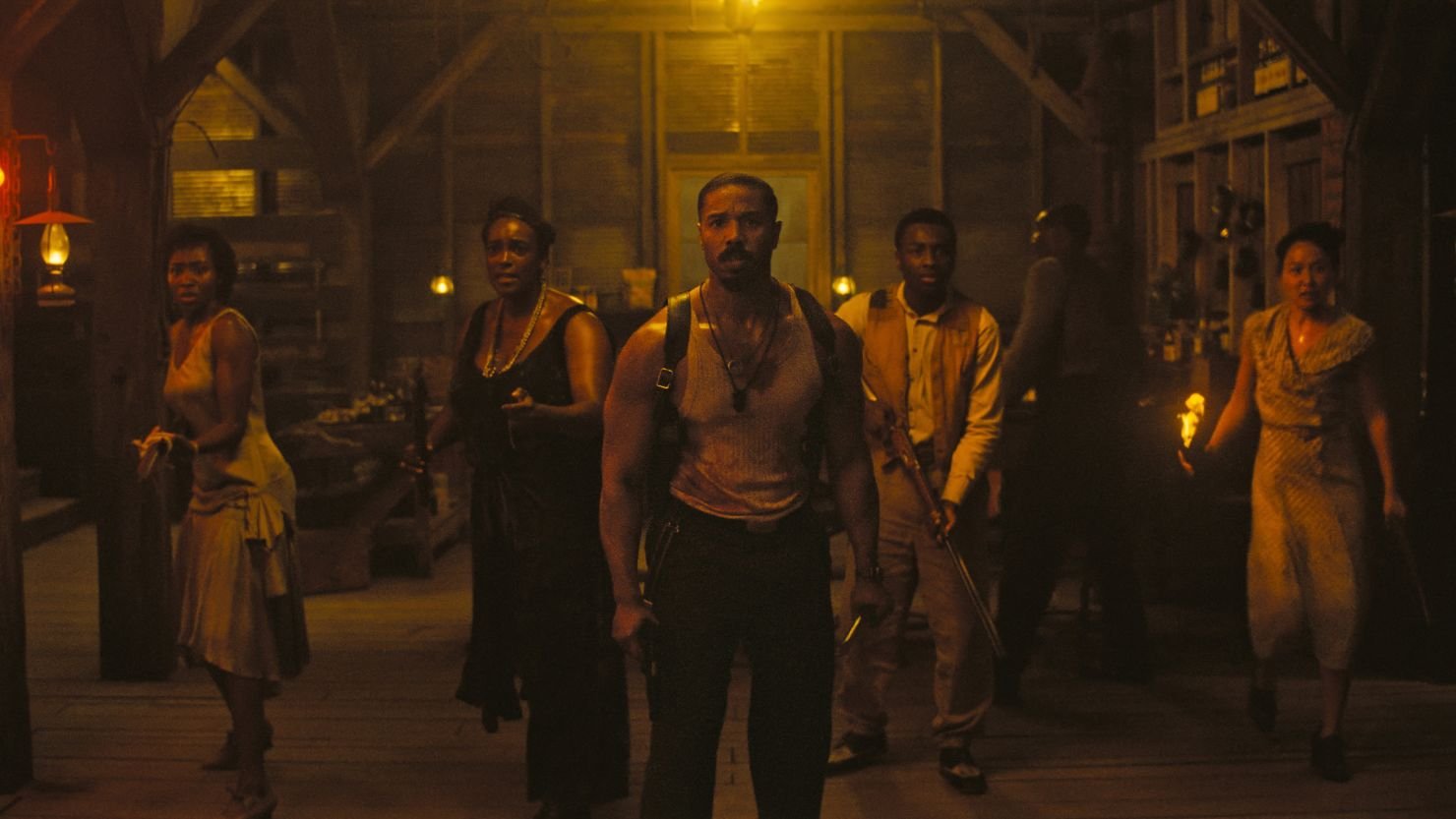
Outside of Coogler and Jordan, the supporting cast includes heavy-hitters and breakthrough performances. Well-known faces like Hailee Steinfeld and Wunmi Mosaku arrive hot from their Marvel castings into roles befitting their acting chops. Then, the breakout stars: Miles Caton as Sammie and Jack O’Connell as Remmick, who become the driving force surrounding the film’s core message. Those four, along with Li Jun Li’s despairing Grace, Jayme Lawson’s disbelieving Pearline, and Delroy Lindo’s harmonica and piano-playing Delta Slim, form an unlikely team of heroes in a night of mystery and terror with enough contextual depth to understand every one of their perspectives by the time they take the forefront in the third act standoff against the vampires.
That aside, this movie would not be as entertaining or cinematically orgasmic without Ryan Coogler, Michael B. Jordan, and the entire team helping to bring their vision to life. Coogler has often had a knack for making films with grandeur and integrity. He has learned from the best by doing, not necessarily watching, what all great filmmakers do best, even to the extent of consulting Christopher Nolan about what it takes to film with such antique and diverse camera equipment. He and cinematographer Autumn Durald Arkapaw have taken what they had and have crafted one of the best-looking films of the decade, regardless of whether audiences view it in IMAX 70mm or digital film. Ludwig Göransson’s score also plays a vital role in what Sinners intends to say, bringing Black culture and heritage to life in beautiful detail before diverting to the film’s more sinister undertones. There is so much skill and detail to every second of this film, a sight to behold and remind us about what makes movie theaters one of the most moving storytelling experiences ever created.
It’s fascinating for one of the decade’s best films to be a balance of drama and horror. Historically, horror films, especially those including vampires, do not garner a strong enough response to dominate the movie-going conversation. Yet, because of Coogler’s infusion of the genre with cultural and dramatic undertones surrounding the Black and immigrant experience in the 1930s in Mississippi, the horror elements never feel overbearing. The film’s lead vampires feel right at home in its rustic setting. To them, finding freedom and happiness means sharing and spreading each other’s culture as equals, submitting themselves to roam the mortal world for eternity. Wouldn’t you like to live happily rather than die freely? The movie is often the most gripping and thought-provoking when it asks the lead protagonists and the audience that very question. Unfortunately, those provocations come at a price.
There are a few too many instances where Sinners tries to be more than one thing. The vampires hit the standard checklist that they often have in horror films. They need to be horrific, blood-lusted, and obsessive. However, Coogler had the chance to double down on using vampirism more as a cult than a horror movie trope. Why fall back on one of the oldest horror cliches in a film focused on defining cultural diversity and vibrance? The vampires in Sinners are at their most compelling when they are not trying to kill people, instead explaining what’s behind their morals and ethics. This is how O’Connell’s Merrick becomes such a moving force. Despite having unclear origins surrounding his vampiric qualities, he appears as an Irish immigrant who sings and dances to folksy fiddling tunes. Merrick is someone who appreciates his cultural heritage and slains people to help them and the world heal from its hate and assimilation. Is that not enough of a moral standpoint for a vampire to suck the blood of his victims? Isn’t that–the underlying want to feel free from the world’s problems–the very message the film leaves the audience with?
Coogler’s near-masterful prowess in staking claim to a clear and concise vision defines his filmography, with Sinners being no stranger to the like. His decision to use vampires in as much of a stereotypical device as he does an argument for cultural freedom may undermine what remains his best work yet. So does his subliminal context, leaving the film’s core message up to the audience to decipher. However, it is difficult to know when too much or too little of a story’s subtext is spelled out to the audience, but leaving it on a note that spells out what the two-hour cinematic experience could have been doing leaves an impression a step behind the rest of the film. Because that final note, like much of the film, is one of the coolest, most intense, and most enthralling viewing experiences this decade, and leaves me with so much to discuss and appreciate from something that only took two hours of my time to sit through.
© Creative Insight 2024