2005 was not one of the world’s best. The Pope died. Crash released and won Best Picture at the 2006 Oscars, and for every Goblet of Fire and Brokeback Mountain, there was War of the Worlds and Charlie and the Chocolate Factory. Compared to 2004’s Napoleon Dynamite and The Incredibles, or even 2006’s The Pursuit of Happyness and Casino Royale, there is not much reason to look back fondly on the year. But I grew up with a different perspective. Revenge of Sith, Robots, Sharkboy and Lavagirl, and Sky High all released to varying praise, but have left an impact on my passion for the creative arts and what separates the good from bad. Most of all, 2005 was the year I was born, and I am surprised to see how many beloved movies of mine released mere months before or after my inception. But there has been one production that encapsulates my love for storytelling and embodies an entire generation (or two) of people who love and respect the medium: Avatar: The Last Airbender. Twenty years later, it remains as much a touchstone as it did back then and has stood as one of the greatest and most resonant stories of all time.
What makes The Last Airbender so everlasting is how meaningful and rewatchable it is. Its focus on comedic yet dramatic storytelling nails the show’s target demographic on the head while giving older audiences something to gravitate towards and rave over–just like all beloved animated productions do. Certain characters make quips audiences can laugh at, and help provide each character an identity they can call their own. Sokka is the comic relief, but it’s because he’s a realist and an expert at crafting plans. Aang knows how to let loose whenever the fighting subsides, but he also understands his duty to the world as the Avatar. Toph is blunt but quick on her feet and helps people when caught in a pickle. Each character can make each other, and the audience, laugh because it helps to collectively escape from the stressful and dangerous world in which The Last Airbender takes place.
Every character introduces and combats those conflicts with restraint and resilience. Zuko may be the son of Fire Lord Ozai, and thus does what he feels would most please his father. However, he learns greater independence alongside his uncle, Iroh, and comes to terms with his past and moves forward as the hero his uncle knew he could be. Katara may be a powerful waterbender, but she’s also had to grow up without a role model and take care of her family as her tribe’s sole bender. Each character has their quirks and battles, and the series dedicates itself to showing both sides of their personalities–the yin to their yang, if you will. In a series intended for younger audiences, its thematic undertones make it a strikingly moving experience for older folks. The biggest battles come with as much action as they do drama and tension–one of the show’s greatest strengths that becomes refined as its story continues.
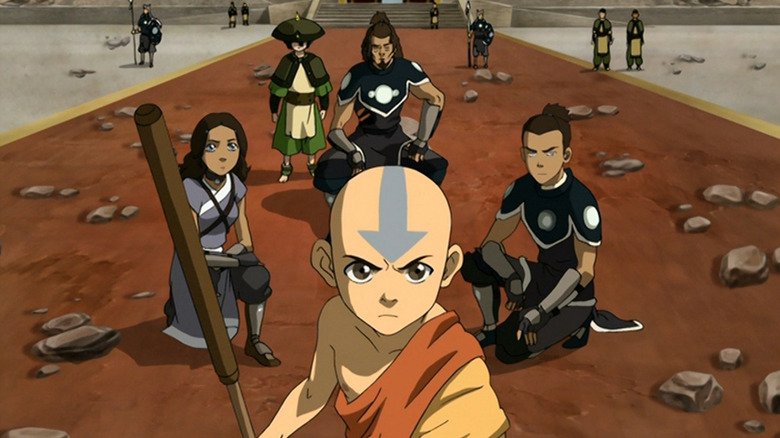
But what makes The Last Airbender so touching is what it all represents: a war that has ravaged the land by the hands of a nation that seeks global domination. The cities and towns are torn apart, both inside and out, and the lives that have been forever lost or affected by the hundred-year-long war drive so many of the series’s best moments. Those divisions in perspective help audiences learn more about the world and make even the lesser plot-relevant episodes so engaging. Villages fight and argue over something that happened centuries ago. A mystical woman saves her town from those profiting from their land. A mind-controlling creature stalks prey when the moon is at its fullest. A play drives a narrative that its homeland wants people to believe in. Every episode ensures that there will be no “filler.” Everything has a purpose, helping flesh out the story’s world and emphasizing why Aang and his companions are trying to save it.
The art of bending also drives the narrative into new and unknown territories. Each move produces a new or interesting challenge for the characters to overcome, with some proving essential to the protagonists’ road to victory against Ozai. However, bending comes with a defined morality across all four types.
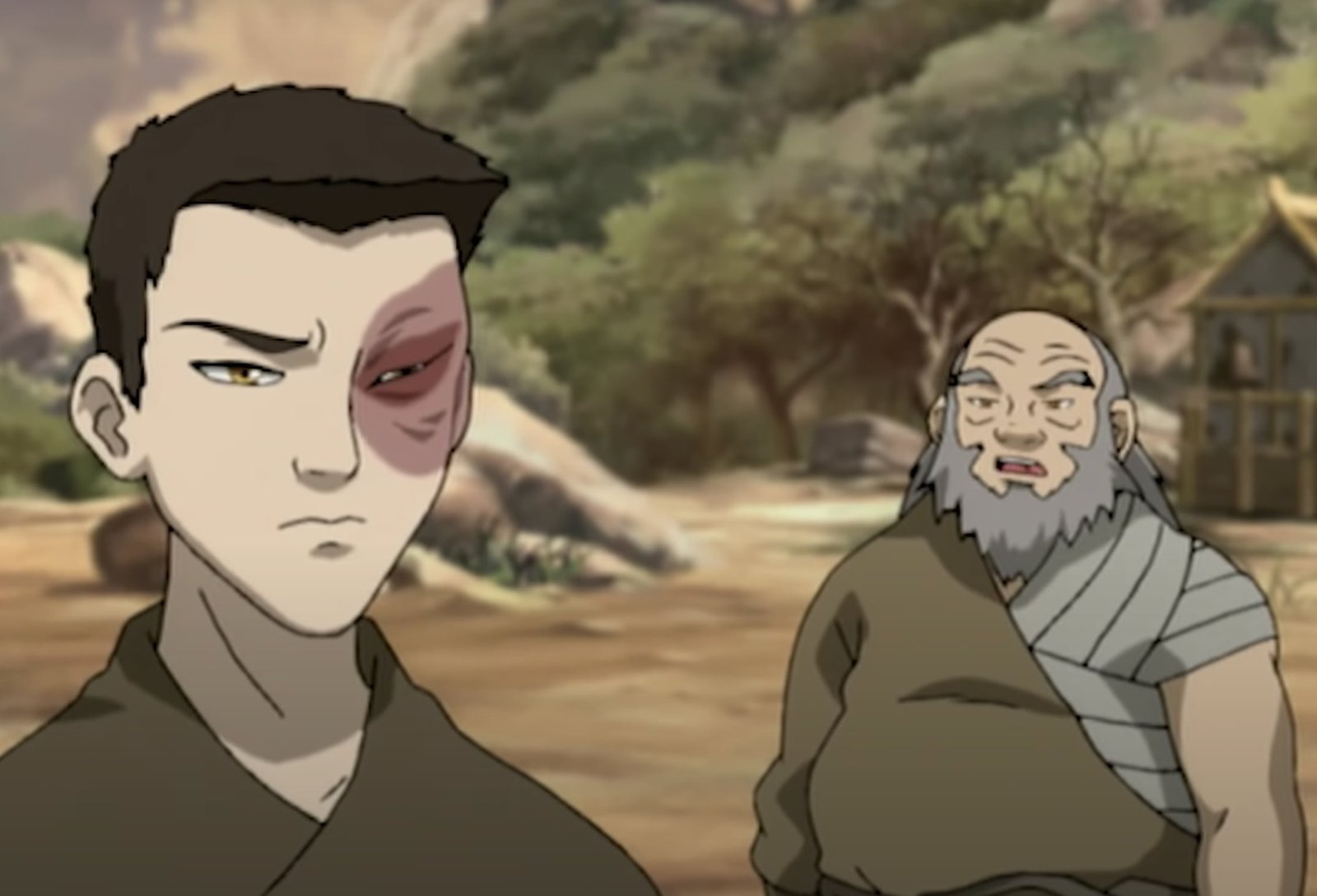
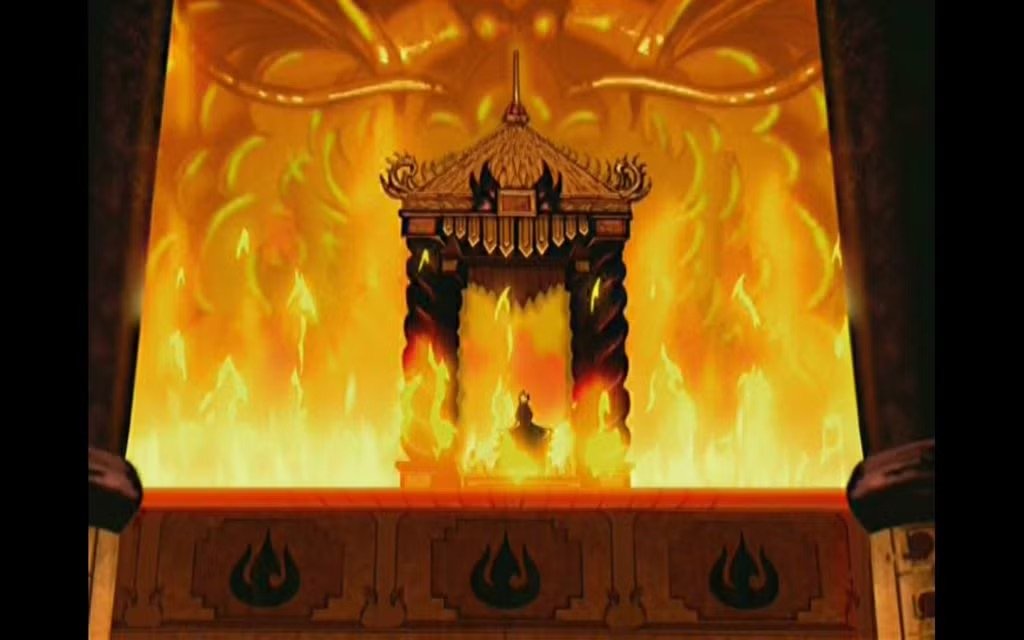
As Iroh notes, “Fire is the element of power. The people of the Fire Nation have desire and will and the energy and drive to achieve what they want. Earth is the element of substance. The people of the Earth Kingdom are diverse and strong. They are persistent and enduring. Air is the element of freedom. The Air Nomads detached themselves from worldly concerns and found peace and freedom. Water is the element of change. The people of the Water Tribes are capable of adapting to many things. They have a sense of community and love that holds them together through anything.”
Iroh nails each element’s purpose so well because they embody the protagonists’ aspirations and how they use the elements to their advantage. They also drive the inner conflicts each protagonist goes through on their journey to save the world, often butting heads with why they bend the elements. Killing and love go against Aang’s purpose as an Air Nomad and the Avatar, as killing does for Katara as a member of the Water Tribe and love for Zuko as a member of the Fire Nation. Characters must face everything they stand for to determine how to save a world that needs healing. That is often The Last Airbender’s most predominantly defined quality, and I gravitate most towards it when looking back on what it tries to do across its sixty episodes.
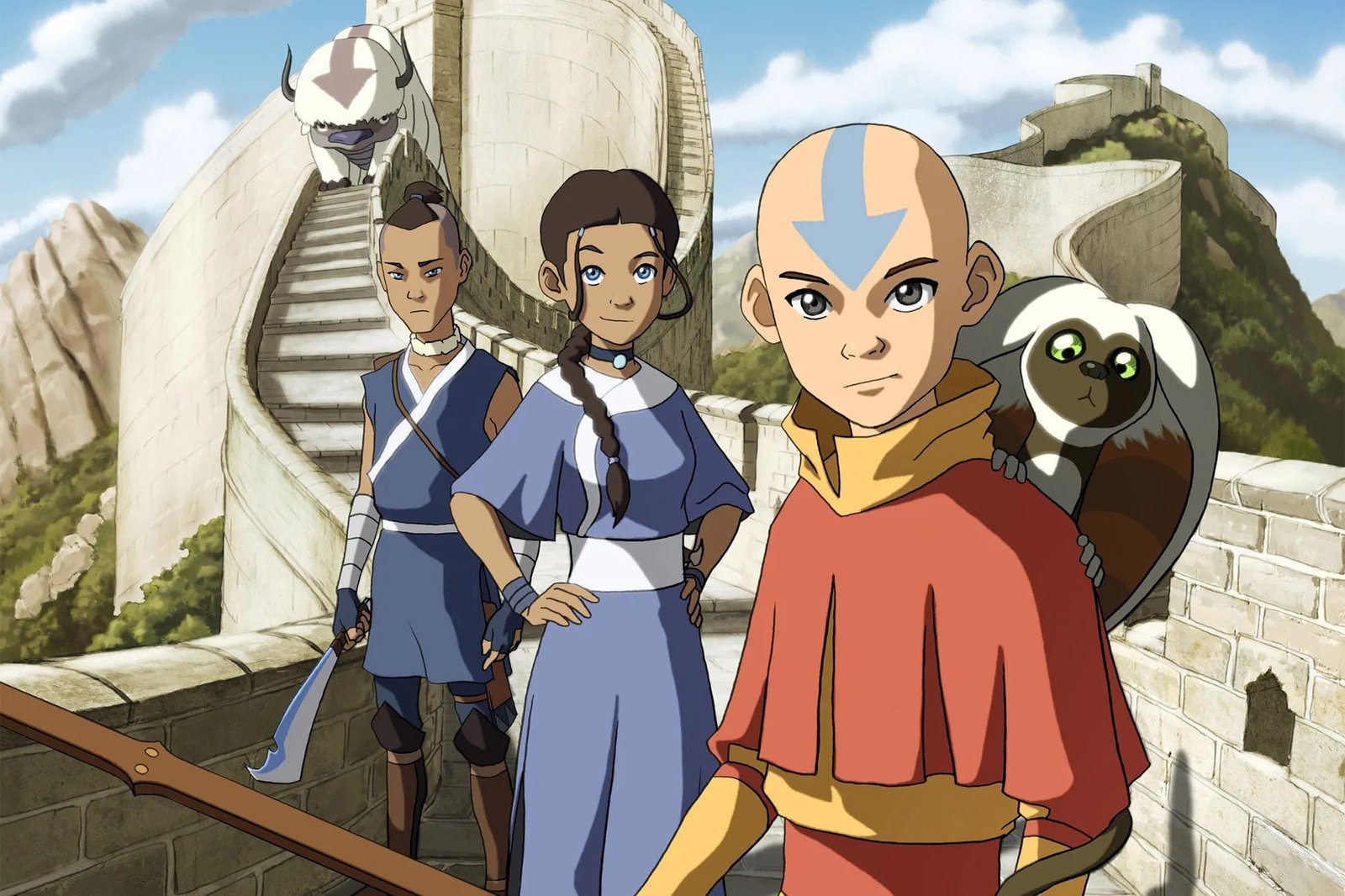
There is much we can learn from The Last Airbender. The creators were confident in the story they were trying to tell and executed their concept in a way that comforts the audience as much as it torments them. They illustrate the world’s yin and yang and its effects on its constituents the longer they are at odds with each other. But what the creators did with their characters–the backbone behind why the series is widely praised all these years later–demonstrates the struggles we face as a society and as individuals. We make decisions that sometimes go along with what we stand against, but they all represent who we are and what role we want to play. Even if it’s not about a destined purpose, like Aang’s as the Avatar and Zuko as his teacher, but it’s still important to find purpose, especially with the help of those you trust and admire.
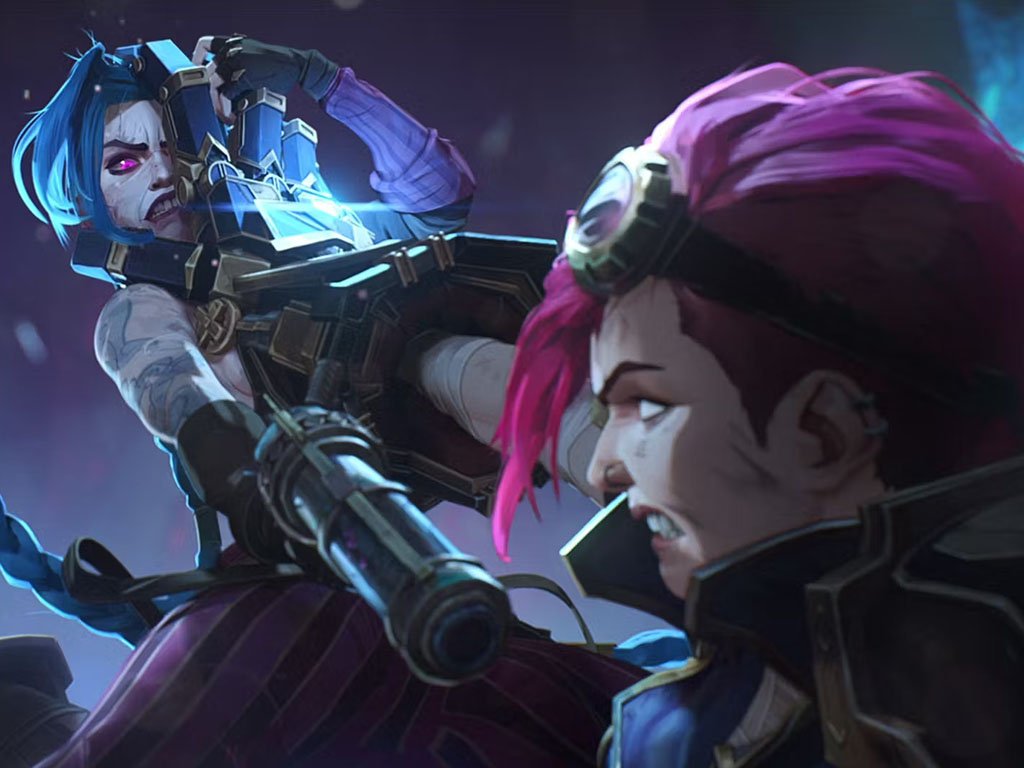
And while its immediate quality bar may not reach Arcane’s or Chernobyl’s heights, its provocative and empowering themes and messaging make it more resonant and accessible than theirs could. It’s how it has lasted so long in the modern cultural zeitgeist and makes its three seasons the once-in-a-lifetime spectacle it’s confident in being.
© Creative Insight 2024