Over the years, Guillermo del Toro has made a name for himself as one of the film industry’s most talented auteurs. His work consistently rivals that of Christopher Nolan, James Cameron, Paul Thomas Anderson, and Denis Villeneuve — all of whom have garnered similar success to del Toro’s in the 21st century. In the same timespan, Netflix has outmatched the likes of Disney, Apple, Paramount, and Warner Bros. in the techno-wizardry of streaming services. Pair the two together, and you end up with Frankenstein, one of the most vibrant and visually detailed films in either portfolio. As with much of del Toro’s filmography, his adaptation of the classic novel by Mary Shelley brings the narrative's more fantasy and sci-fi elements to light, while underlining the original text’s ties to mythology, 19th-century Europe, and the disparity between life and death. It is a thrilling ride filled with so much craft and attention to detail, and that makes it one of 2025’s best films bar none.
The road getting to a faithful yet nuanced iteration of Frankenstein has been long and arduous. Many rave about the 1931 film adaptation and its pivotal role in popularizing the monster subgenre. However, past the titular Frankenstein and his monster, it bears little resemblance to its predecessor. Future adaptations would fly closer to what the original text provided, but none would become as widely adopted or praised. That is, until Netflix allowed del Toro, a master of fantasy and sci-fi stories in his own right, to provide his interpretation with as much support as he needed to bring his decades-long reimagination to life.
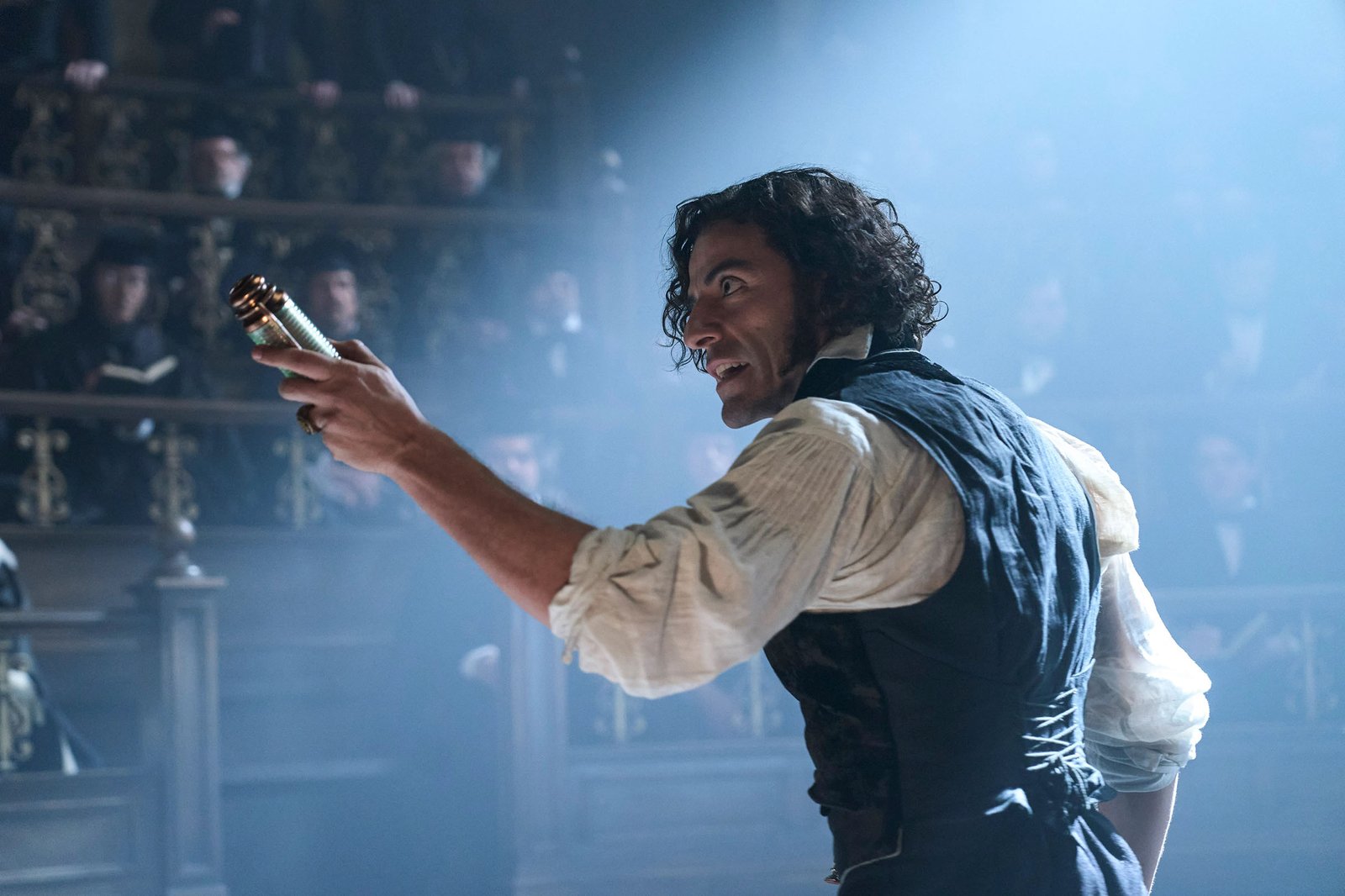
As a result, Oscar Isaac, Mia Goth, and Jacob Elordi were tapped to star as Victor Frankenstein, Elizabeth Harlander, and Frankenstein’s monster, respectively. All three play their parts with precision: Isaac, a selfish and ambitious scientist; Goth, an intelligently stubborn and dignified maiden; and Elordi, a mysterious and pure-hearted creature. The supporting cast, particularly that of Christoph Waltz, Felix Hammerer, Charles Dance, and David Bradley, work their way between the three as pawns to tell Victor’s grander narrative — one of woe and warning as he pursues the stoppage of death. Yet, the leads remain the film’s three most dynamic and extravagant characters, made all the better with the knowledge that Elordi, the narrative’s central driving force, was never meant to play Frankenstein’s monster in the first place.
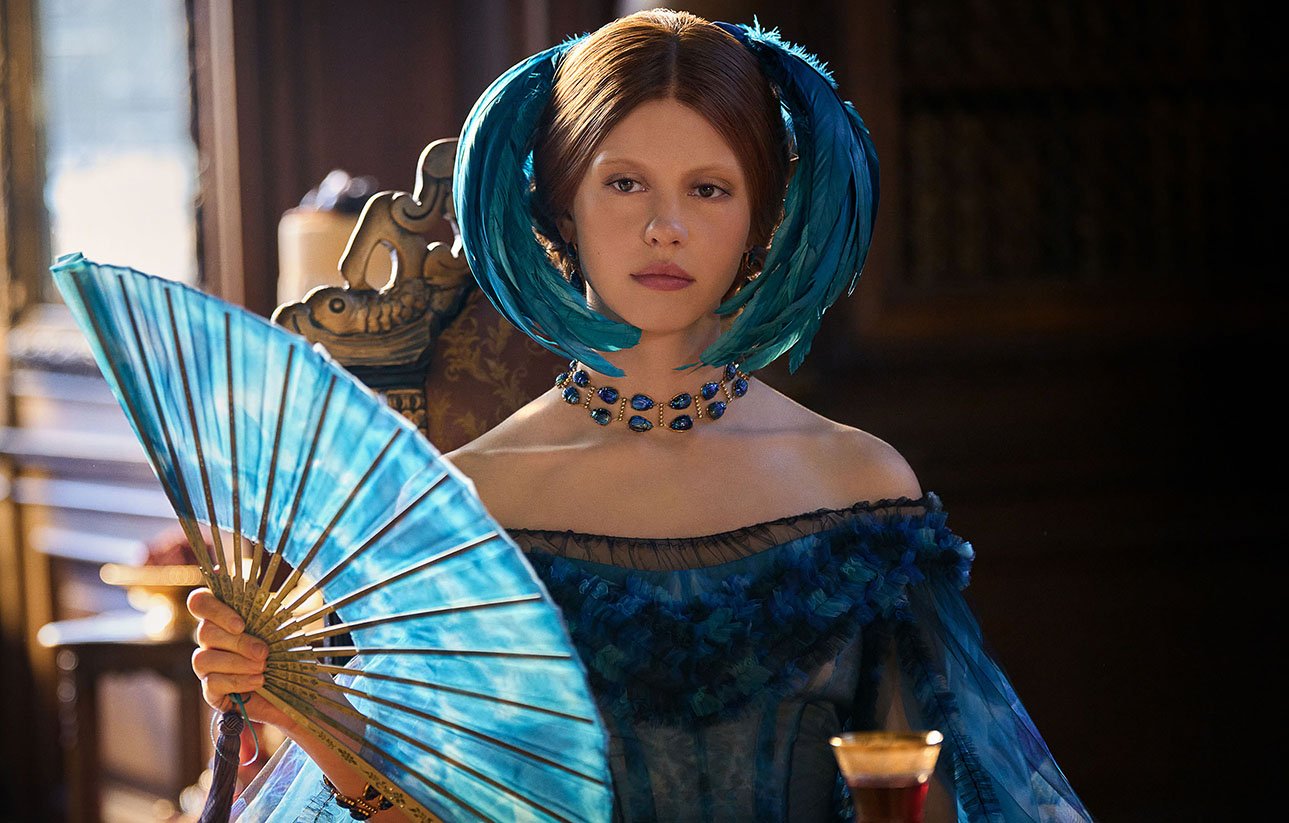
The film’s early proceedings establish three elements core to Victor’s personality: a love for his mother, a disdain for his father, and a drive to heal the wounds opened by death and trauma. Del Toro uses these traits as a foundation for the rest of the film to work around. Victor’s father attempts to morph him into an ideal son befitting of his own stature as a doctor, forming an abusive and distasteful relationship only further tarnished by the love and care Victor’s mother provides. When recounting his backstory, Victor depicts his mother as equally abused by her husband, wearing a bright red dress whenever she and Victor are together. Through that dress, Victor’s relationship with his mother has a recurring motif, most notably in Elizabeth’s red umbrella as their connection develops and her similarly vibrant wardrobe.
Through this one element, Del Toro intentionally incorporates more vibrant, subjective visual elements in the film’s overall presentation to separate reality from fiction. In his recounting, Victor often romanticizes his ambitions and self-righteousness without considering the full ramifications of his thoughts or actions. Victor gravitates towards Elizabeth because she reminds him of his mother in presence and attitude, while overlooking how she acts in direct opposition to what he strives to accomplish. The narrative purposefully overlooks the fact that she will soon marry Victor’s younger brother, William, because this is Victor’s story. It is not until the creation of his creature and the retelling of their journey that Victor’s foolish ambitions are revealed as nothing more than a premature solution to an impulsive and selfish revelation.
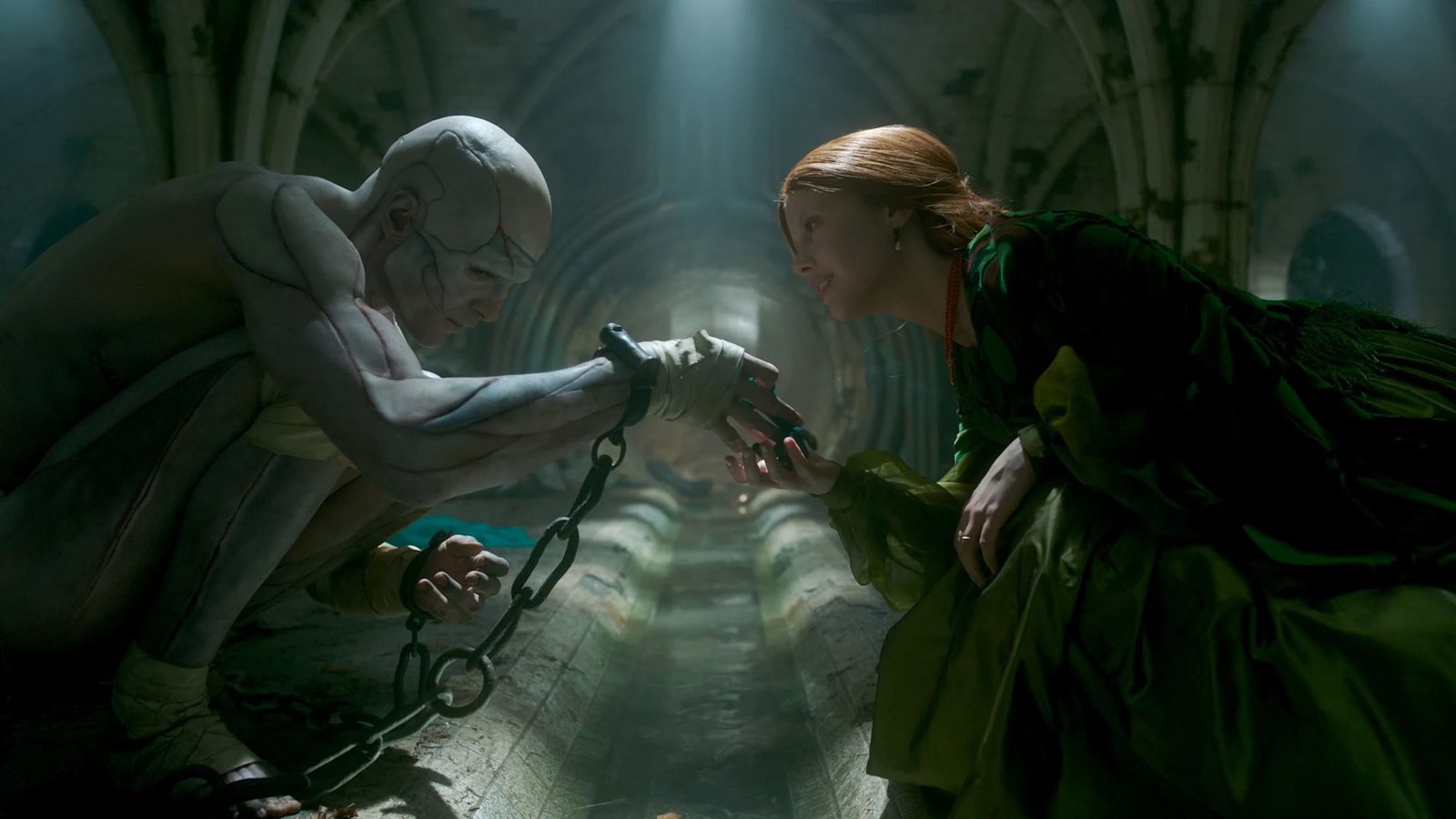
By contrast, the Creature becomes an amalgamation of Victor’s trauma as much as he is of dead soldiers. Through him, the audience experiences all of life’s wonders and dangers. Like Victor when he was young, he learns to detest his father and find love and meaning elsewhere. However, unlike Victor, the creature finds purpose once meeting those who admire his purity, while burdened by the blights of death as someone who cannot die.
In truth, Victor has taken life and death for granted. Not because he lacks grief or remorse, but because he hates it. Death took away the one person who truly loved him. Life left him with the one person he truly hated. By navigating both lines, the Creature encompasses their importance. The more Victor intervenes and attempts to put down the very thing that embodies his trauma, the more the Creature learns of his burden as a reanimated figure. In the end, the Creature and Victor unanimously learn the one thing that has plagued their lives: forgiveness. Forgiveness for letting lust and hatred carry their burdens and trauma for so long that it ripped the pleasures of life so that they may be at peace with death, and admitting their failures as father and son.
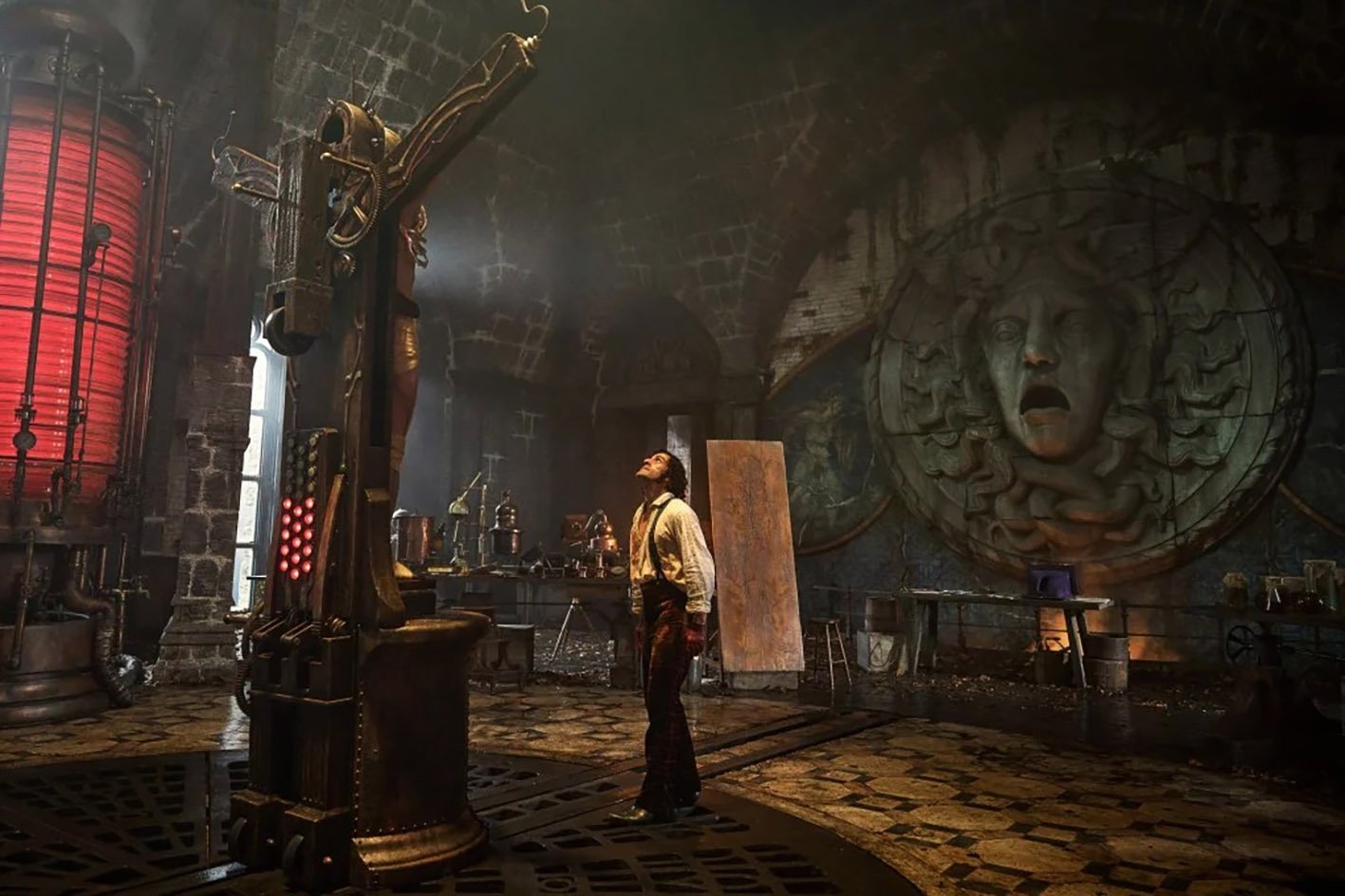
It’s worth noting that the original Mary Shelley novel was foundational to my love of storytelling as a craft and means of expression. At first, I adored the story for its reversal of what pop culture had me expect from the relationship between Victor and his creature, and how it observed two entities equally obsessed with one another. Now, as del Toro welcomes me back into its world, I see more of what her story had intended. Yes, Frankenstein has always been about how ambition can turn into obsession under the most selfish of circumstances. But it is also about how we must forgive the irreversible actions of those around us so that we ourselves may thrive and be at peace, rather than let it chew us further down its rabbit hole of fear and loathing. It’s also a novel that wears its mythic inspiration on its sleeve, quite literally in its full title, “Frankenstein; or, the Modern Prometheus.”
In the end, del Toro’s adaptation of Frankenstein is a buttery, multi-faceted cake with an abundance of detail — from the costume and set design to the duality of Victor and the Creature’s stories — that will keep everyone captivated and possibly make them fall in love with the material as much as he has. It recognizes what many are familiar with from the original novel, infuses elements from the property’s long history in the movies, and calls back to Adam and Eve and other biblical ideologies that inspired Shelley’s tale of creator and creation. Yet, del Toro’s Frankenstein is at its very best a reminder of how precious a gift life is and how often moments of love can be affected by hatred and our inherent fear of mortality — revealed once a brilliant mind alienates itself further from the world and ignores the gravity of their revelatory creation’s existence.
Photo credits: Netflix
© Creative Insight 2024