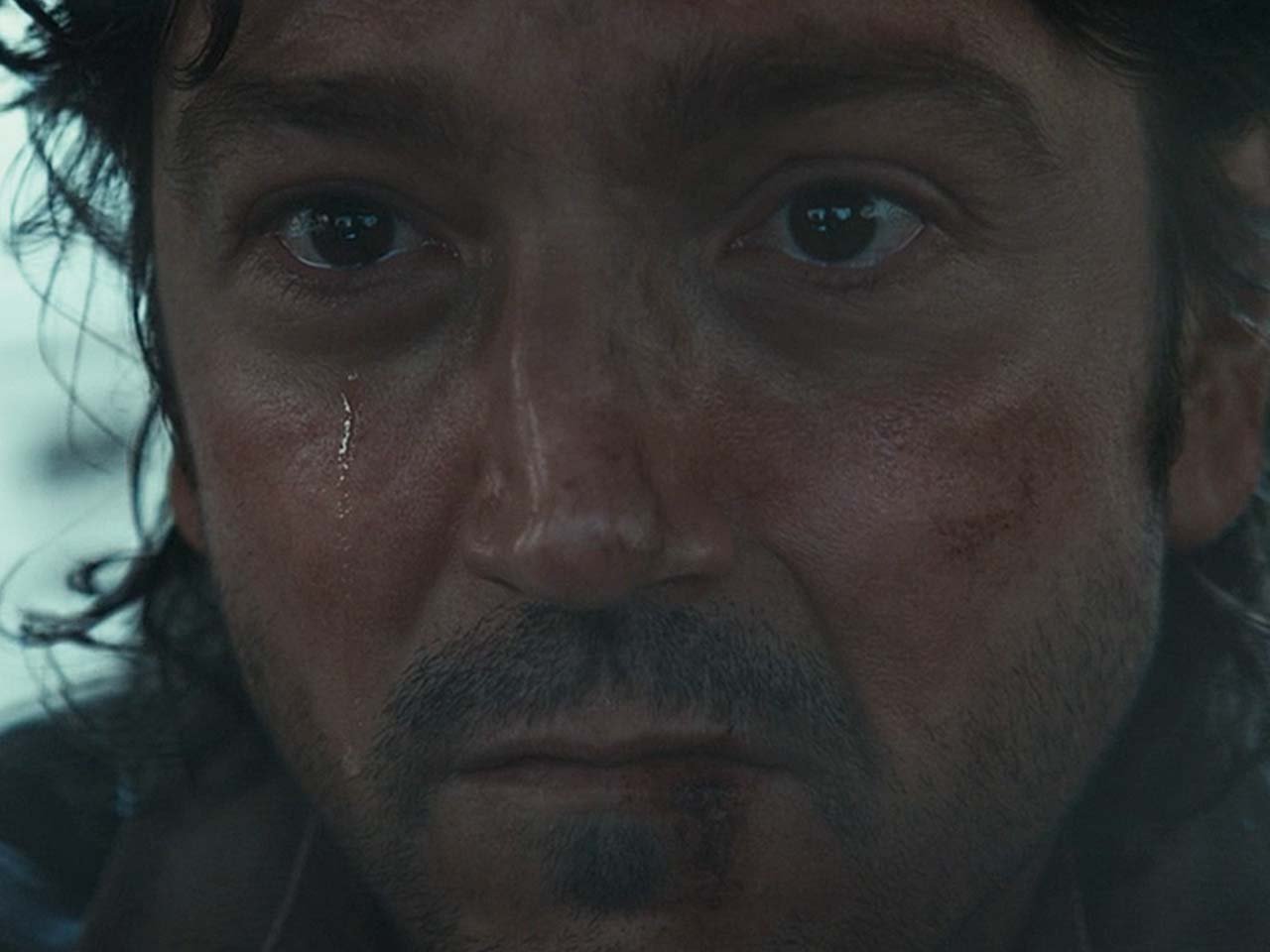
Since his debut with 1996’s Hard Eight, Paul Thomas Anderson has been one of the most prolific auteur filmmakers, continually making one cult classic after another. Yet, despite his clear prowess as a storytelling visionary and the incredible respect and admiration from those he has worked with in the past, Thomas Anderson has never received as wide a commercial acclaim. Yes, he stands toe to toe with some of today’s great directors and works with the likes of Tom Cruise, Philip Seymour Hoffman, Daniel Day-Lewis, Joaquin Phoenix, and Julianne Moore–some of the biggest A-list actors of the last twenty years. However, his narratives have such a niche scope that his movies alienate casual audiences from checking out his work.
Enter Leonardo DiCaprio, an actor who has his fair share of critical acclaim and successful box office returns. The two have never gotten the chance to work together, and those in the industry know that any opportunity one can have to work with Thomas Anderson is something they won’t pass up on. So, Thomas Anderson got his latest film greenlit by Warner Bros. for $130 to $175 million, despite having no prior track record with earning nine-figures at the box office. But if anyone could buck that trend, it’s Leonardo DiCaprio.

Despite its claim to be a Paul Thomas Anderson movie starring Leonardo DiCaprio, neither is the true star of One Battle After Another. The cinematography and supporting cast are what truly make this film an experience worth seeing for the first time. Michael Bauman works masterfully behind the camera to help bring Thomas Anderson’s vision to life, all while using antique VistaVision cameras to provide the story a grainy, grungy feel that pairs well with the narrative’s scope and tone. Likewise, the supporting cast brings together the intensity and humor required to avoid overwhelming audiences with everything that unfolds. Benicio Del Toro as Sergio St. Carlos plays a calm and collected sensei who puts everyone, DiCaprio’s Bob Ferguson, at ease in times of stress and discomfort. Sean Penn as General Lockjaw is as stilted as he is assertive, making a great balance between the character’s inherent humor and most dramatic moments. Lest we forget Chase Infiniti as Willow, a debut performance bursting with emotion. These four, paired with DiCaprio and Thomas Anderson, make for a captivating experience, no matter the size of the theater screen. Unfortunately, this also happens to be one of the most political movies in recent years, uncovering the reality behind those trying to immigrate to the United States and how far people are willing to go to help make it happen.
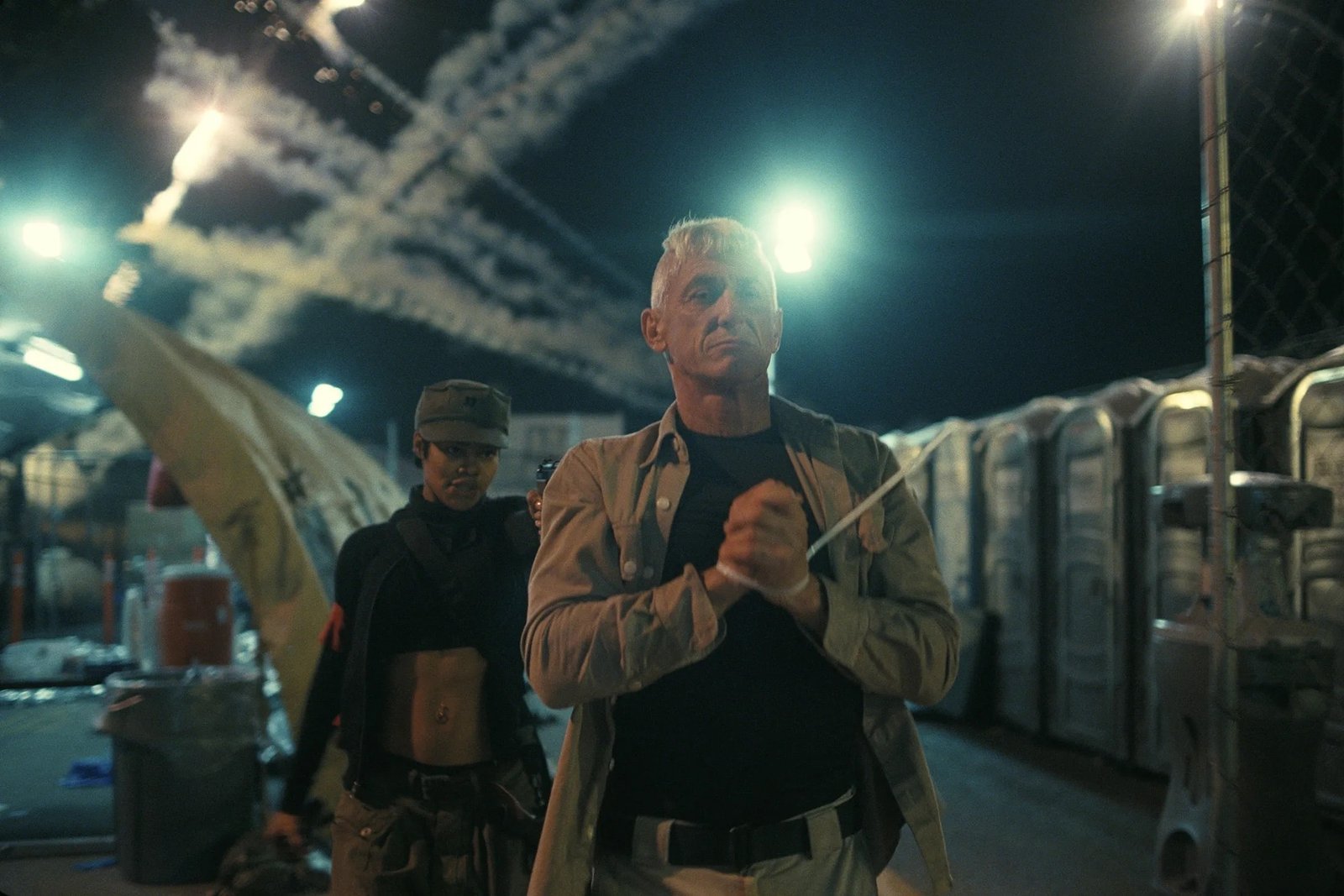
One Battle After Another is exactly as the title describes. The story follows a group of revolutionaries seeking to free immigrants and marginalized groups from encampments and suppression. Those responsible, primarily General Lockjaw and the soldiers working alongside him, seek to ensure those who cross the southern border do so legally. That precedent is set in the film’s opening minutes, and it only dives deeper into the conflict to understand how both sides perceive each other’s actions. The film asks the audience to observe their decision-making as asks whether any of what proceeds is deemed morally correct. It has its perspective, which makes for quite a challenge when discussing or recommending a movie like this, but it also underlines the importance of seeking out both sides of an argument. In this case, neither side is inherently “right” for what they do, but they do so because they believe there is no other option. Whether it’s terrorists, the army, or a secret society, they intend to save people from a worse fate, but only hurt those they are trying to save. They want to save people from the bad guys, but how does one qualify as a “bad guy?”
Now, the film tries to relieve the audience of such a contentious and intense subject matter through absurdity and witty humor. Some characters, like General Lockjaw and Bob Ferguson, are written with a demeanor built to get chuckles out of people, with several other characters providing a similar effect. Case in point: the film’s true antagonists are some of the most absurd and excessive personalities, but they balance out the narrative’s relevant subject matter. The best movies are often those that balance their dark and dramatic elements with humor and wit, and Thomas Anderson made sure to leave enough room for One Battle After Another to be an escape from the real world without ignoring the turmoil that today’s world faces.
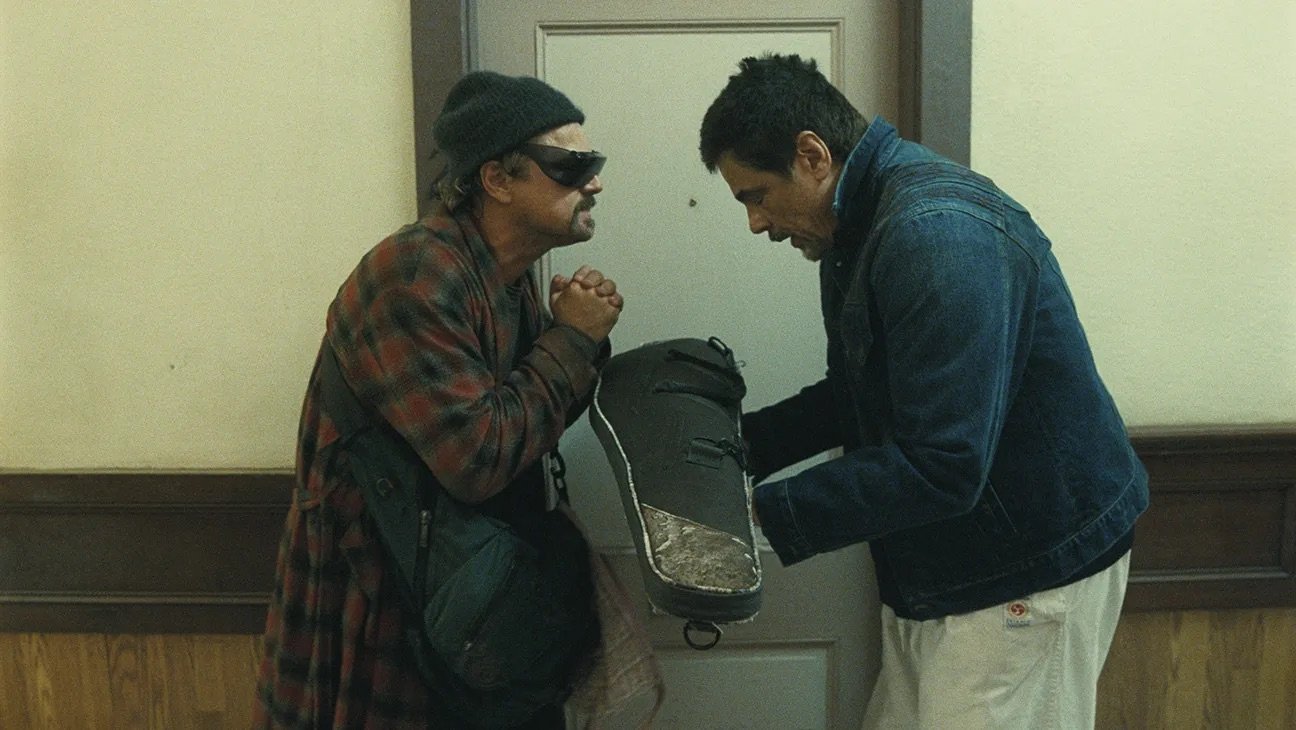
The one element given the most subtlety is ironically one of the film’s most powerful. Beneath the political messaging, absurd characters, and witty humor is a story of a single parent taking care of the only thing they have left to love. Bob is by no means a perfect father. He drinks and smokes heavily, often leaving him with chronic paranoia from the fallout of his work as a revolutionary. However, his daughter Willow is what helps ground him. He cares for her in a way no other individual could. They may fight and misunderstand each other, but they acknowledge and understand what each of them has been going through without a motherly figure. By the end, they both appreciate the roles each of them takes in each other’s lives. Their respective arcs help ground their story as much as it does their sanity, connecting the movie’s absurdity and politics to make for an expansive but well-rounded experience.
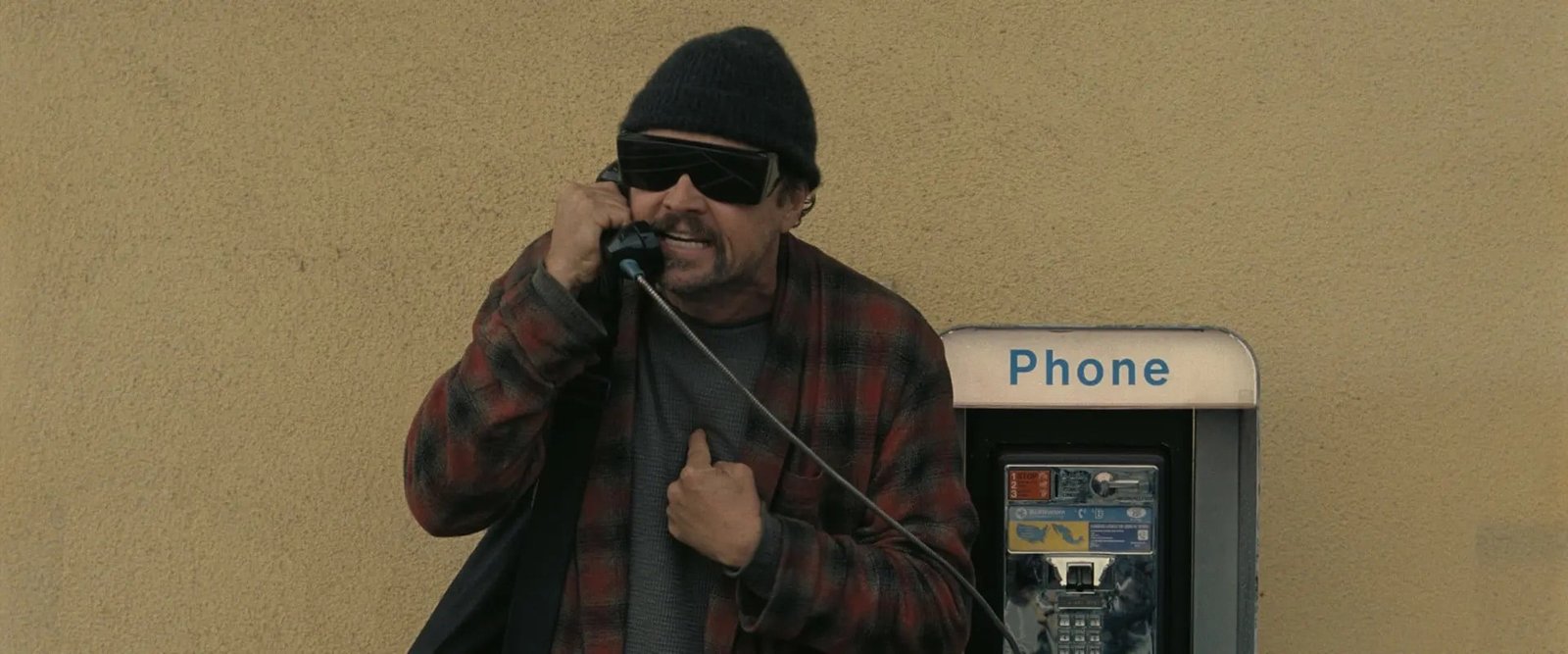
One Battle After Another is one of the most relevant and entertaining movies of modern times, but also one we did not need right now. Ultimately, movies are an escape from the real world. While it is gratifying to provide moments of comfort or release in stories surrounding relevant or contentious political topics, it’s difficult to discuss or recommend a movie so heavily tied to current events. It stings for a movie to be of such high quality and with so much to say to have to face such extremely coincidental circumstances. However, it makes for an incredibly telling reminder of today’s world and a great watch when looking back on it all ten or fifteen years from now.
Thomas Anderson, DiCaprio, Del Toro, Penn, and all those who worked hard to make such a beautiful, sharply pointed, captivating experience. It’s just unfortunate that it had to release under such an unprecedented set of circumstances, and for a narrative ultimately about the bond between a mother and daughter, despite all that stands opposed to them in their relationship, and those opposing them to be overshadowed by chaos and supremacy.
Photo credits: Ghoulardi Film Company, Warner Bros.
© Creative Insight 2024