
What began as a two-hour space opera about the Force and rebelling against oppressors has now become one of the world’s biggest and most captivating franchises. However, as Star Wars has evolved from its humble and ambitious beginnings, it has slowly deviated from its original vision. Yes, it has been about the Jedi versus the Sith, galactic warfare, and technological advancements our world has yet to discover, but it’s also about a galaxy under tyrannic rule. It’s about people who have no other choice but to fight for even a sliver of freedom against a government hell-bent on making the lives of those in charge better and more fulfilling than those who make it all possible.
Many previous iterations in the franchise often shy away from those struggles standing at the forefront, but Andor is different. It goes back to Star Wars’ roots and delivers on the one question people have pondered since the Rebellion and the Empire made their debut: how did their battle come to be? It elevates the foundation laid by Rogue One with a narrative spanning multiple years to establish what makes the Rebellion so resonant and what it took to tip the scales politically, socially, and ideologically. The first season may have done it to a T, but its second elevates all expectations to make for one of the most emotionally resonant experiences of the century, no matter the material’s relevance in modern times.
WARNING: This review contains some thematic spoilers. Reader discretion is advised.
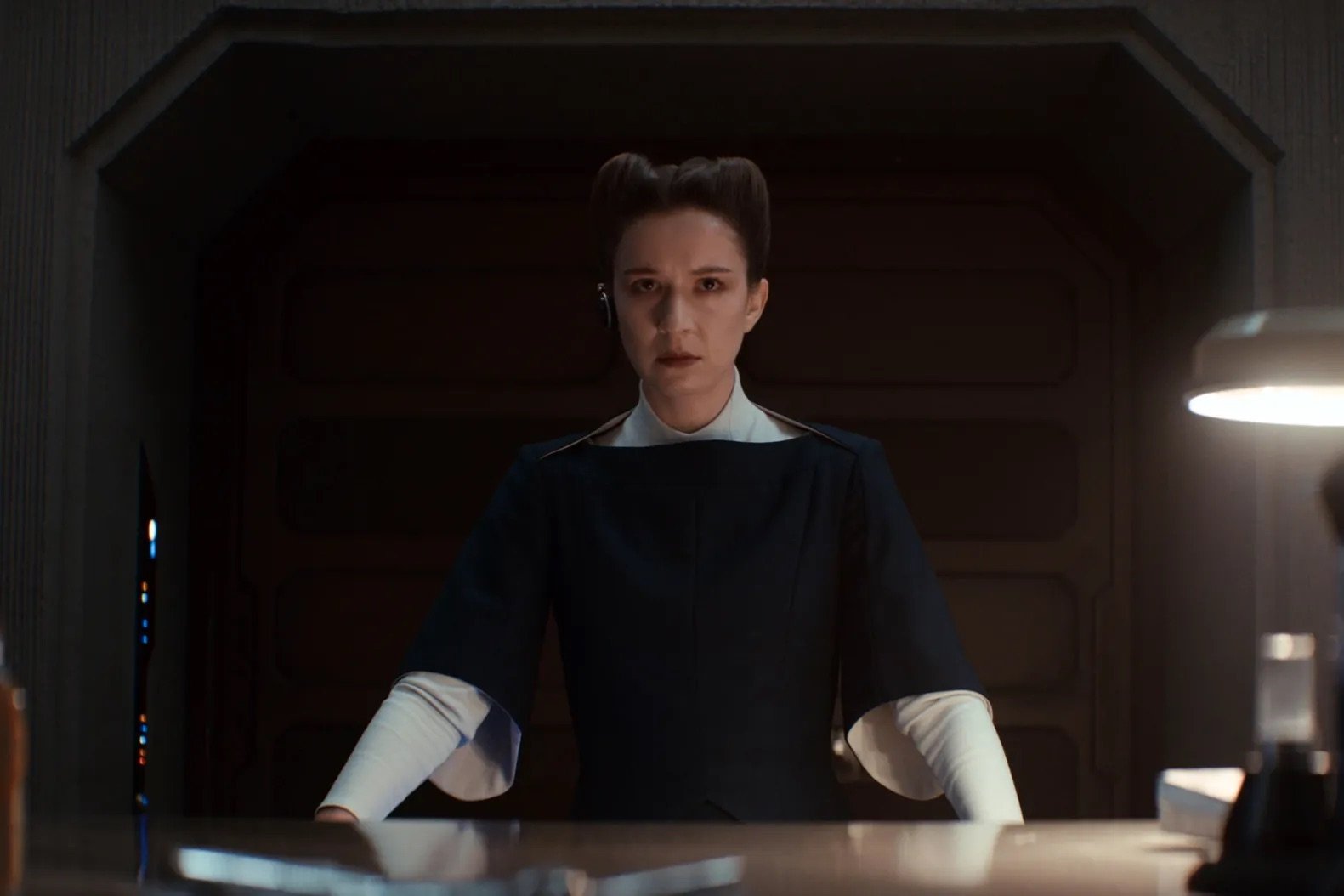
What made Andor captivating even before the second season was its focus on telling Cassian’s story and how his decisions affect the greater rebel cause. Everyone he knows and meets–from Karis, Kino, and Maarva in the first season and Bix, Wilmon, Kleya, and Luthen in both–fight their own battles. That said, it’s often Cassian’s willingness to take action that makes their fights so valuable to the show’s narrative. Through Cassian, people learn to speak out about their contempt towards the Empire and take action when deemed necessary. This is how Kino, Karis, Kleya, and Luthen became such powerful voices for change and revolt when working alongside Cassian, embodying the true spirit of the Rebellion, but the true front to the cause is yet to be fully comprehended. Figures like Saw Gerrera know that it takes sacrifice to give those with diplomacy, like Mon Mothma and Bail Organa, even a chance to make everyone’s voices heard. What many of these characters accomplish across the second season, let alone both, should be too much for one story. Yet, Tony Gilroy makes it all consistent and cohesive, building up each character so that one, if not all of them, are emotionally resonant for what they do in their search for freedom from tyranny and oppression.
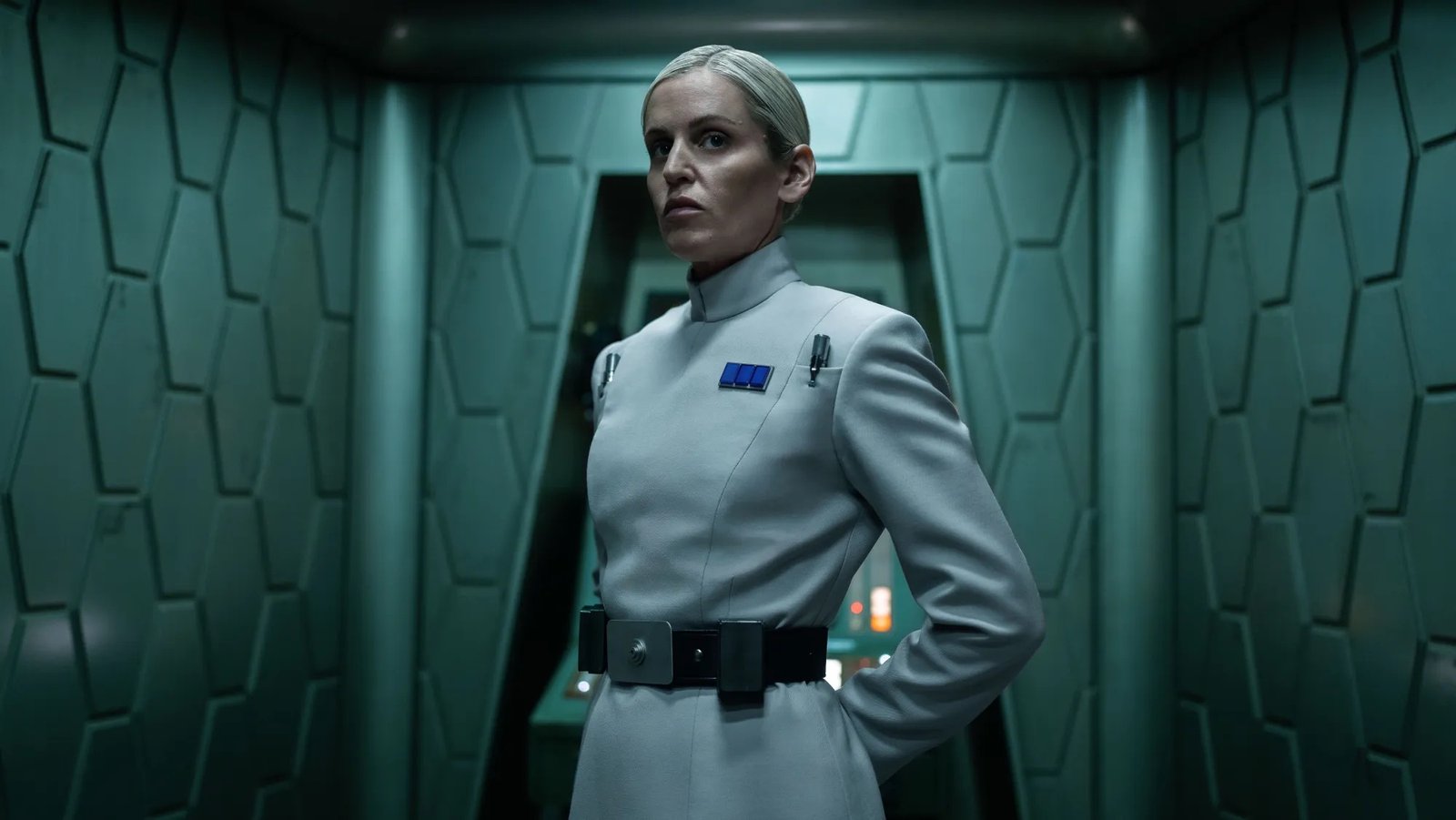
However, there is one dynamic worth detailing among all others that emerged from the second season: Cyril, Dedra, and all those who work for the ISB (Imperial Security Bureau). Syril and Dedra find themselves so captivated by Cassian’s antics that they cannot help but dig themselves too deep in their own minds and find themselves far past what the Empire asks of them. Syril wants to enact change, but is never given the recognition or pedigree to make it happen. He is a face in the crowd, a man with no remarkable stature who has been wronged by the system he has lived for and by the people who stand opposed to his beliefs. Dedra is driven by ambition, but ultimately succumbs to the same realization as Syril: there is a line between control and oppression, and a line between protection and deception.
Cyril and Dedra’s respective journeys throughout Andor and their ultimate realization of the game the Empire plays politically are indicative of how their government functions and how much it manipulates and deceives itself. Their acts of aggression and oppression only strengthen the Rebellion. By the time those working for the Empire realize that what they have been working towards has been a lie, there is no turning back from what is about to unfold. Every single prominent character who either supports or works for the Empire eventually finds out that their work has amounted to nothing, and their reaction to such a revelation makes Andor as tragic as it is riveting. Nobody wins when everyone is being lied to or oppressed, because everyone is fighting for the same cause and dealing with the same consequences.
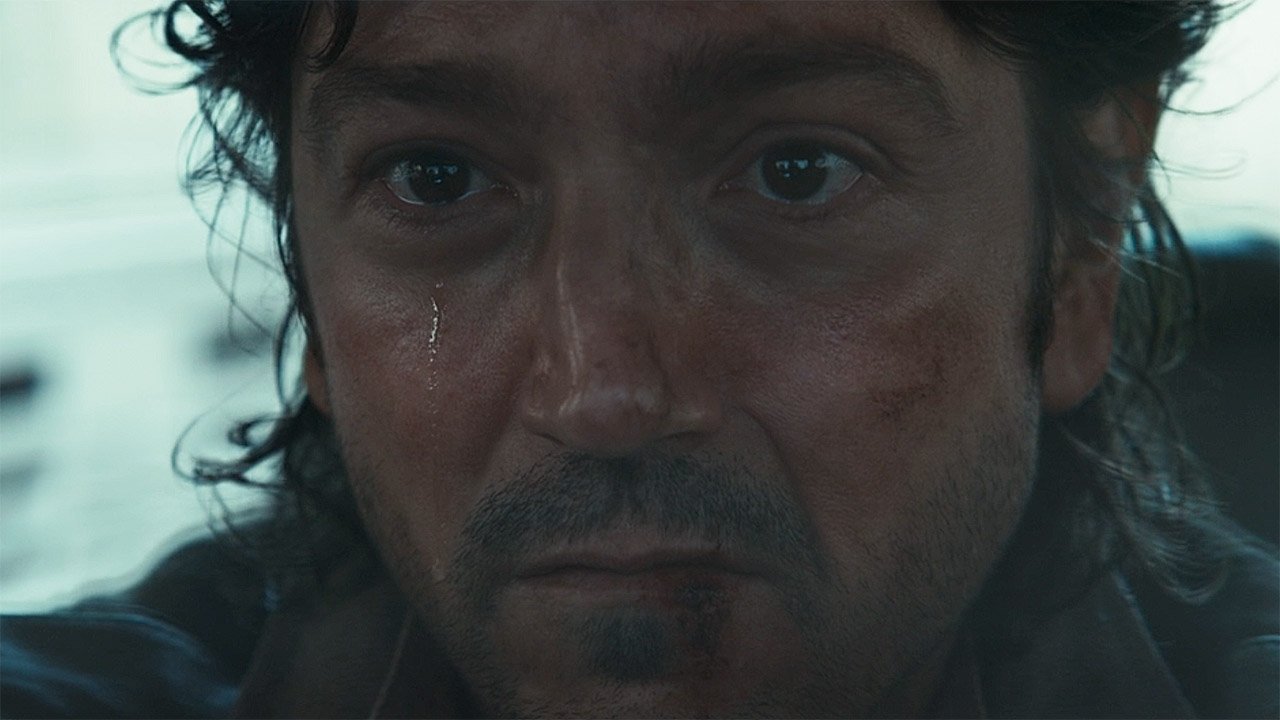
It’s somewhat ironic for the Empire to be the most fascinating aspect of a story about rebelling against oppression. However, its focus allows audiences to learn about the people working for a cause they don’t stand for. The endless cycle of violence will take its toll, especially so for those who work tirelessly to make things “right.” Many of the people who work for the Empire would rather die than face the consequences of their actions, because they know what they have done and what the Empire is capable of. Dedra and Syril have been deceived into murder time and again for a front that only seeks to benefit self-interests. It makes them all wonder: Is it worth it?
For the Rebellion, the answer is “yes.” Yes, we can fight back. Yes, we can beat an unstoppable foe. Yes, we can bring hope in times of darkness. Andor takes the idea that Rogue One established–how rebellions are built on hope–and makes that the sticking point. There will be times of darkness, destruction, and oppression, but there will also be peace and freedom once those times come to an end. Luthen, Cassian, Kleya, and Saw all understand that they must sacrifice everything they have so the likes of Mon Mothma and Bail Organa can make the rebel cause something everyone would fight for, regardless of whether either side would like to admit it. It takes great sacrifices to have a slight chance at victory, but only through optimism and determination do those victories come to fruition.
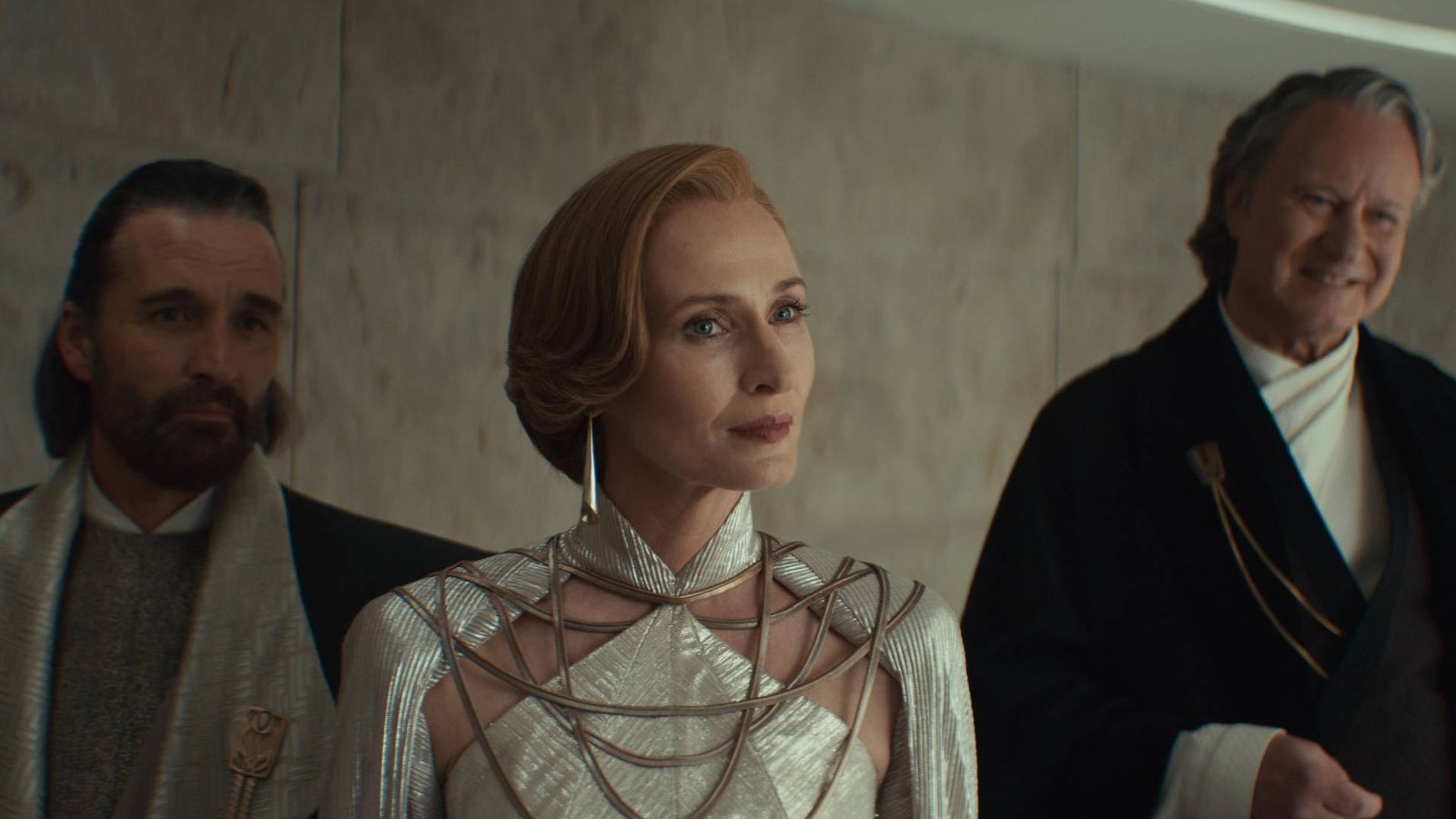
Andor was never meant to be anything special or groundbreaking, but it has chosen to be. It didn’t need to be as politically or emotionally motivated as it is, but it has chosen to be. It didn’t need to have dozens of interconnected character storylines to produce a series with such an interactive and captivating narrative, but it has chosen to be. What makes Andor worth watching is that it is what it doesn’t need to be, but rather something it should be: a message of optimism and freedom against the backdrop of a society filled with oppression. Through the second season’s focus on a singular catalyst for change, the show’s core messaging becomes distinctively clear. It ties back to the foundations laid by some of the show’s most memorable characters and captures the essence of their fight, and it is what makes the Empire’s reckoning so elusive. It not only makes for one of the most overwhelming and cinematic experiences on television, but one of the best indications of storytelling’s power to resonate with people on a foundational level.
Photo credits: Disney, Lucasfilm
© Creative Insight 2024


