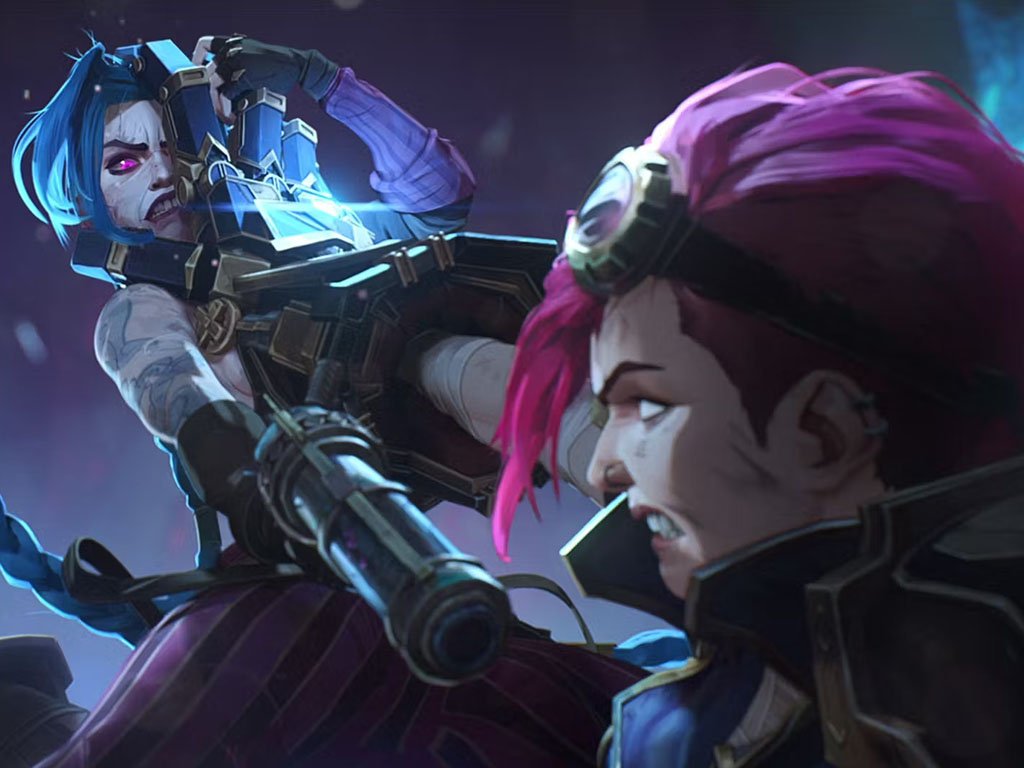
Video game adaptations are tough mountains to climb. Most adapt a dozen-plus hour game into a season, with as little as a third of the runtime. However, movies get the worst end of the stick, as they must adapt their source material into a tight and concise two hours while emulating the same hook, conflict, and climax people love about the original iteration. It was not until 2017’s Castlevania and 2021’s Arcane that there would be a legitimate case for adapting video games, showing that television’s extended, episodic runtime better suited a game’s length and complexity. Couple those with 2022’s Cyberpunk Edgerunners and 2024’s Fallout, and there becomes a growing number of adaptations that follow suit.
Enter: The Last of Us, one of the most critically acclaimed video games ever released. Its first season, which adapts Part I of a current two-part series, continued the trend of positive reactions. Co-director Neil Druckmann collaborated with Chernobyl’s Craig Mazin to craft one of the tightest, grittiest, and most heartfelt journeys across post-apocalyptic America, told through the eyes of those who do whatever is necessary to survive. The first season was special because it focused on the people. However, the second season does not provide the same depth or intrigue as its predecessor, eerily making it as divisive as the very game it adapts.
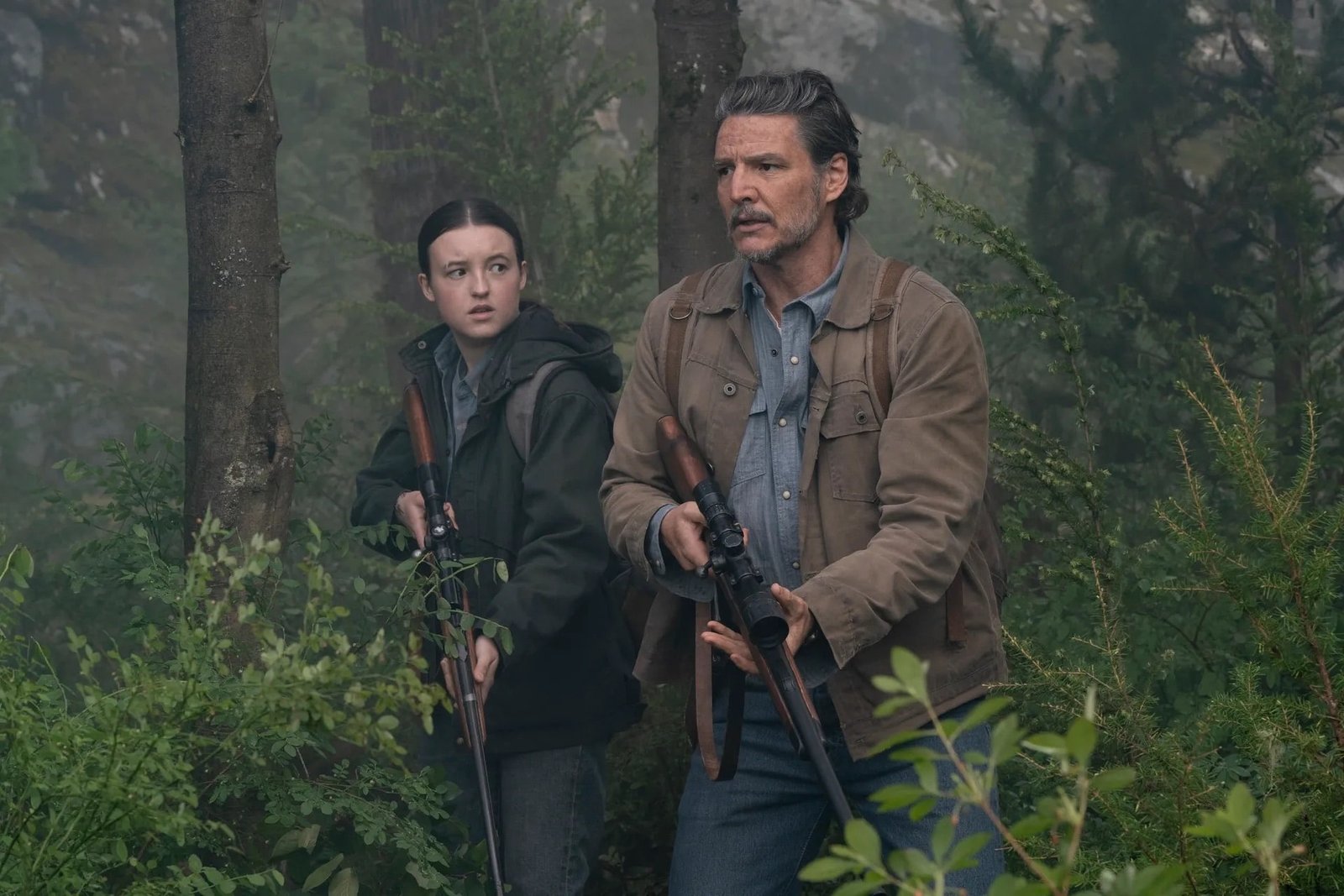
Above all else, the production value, casting, and directing are spectacular. Season 2 remains on par with the first’s theatrics, with some of its best-performed and executed episodes shining a light on what made Season 1 and its source material so satisfying to a wide audience. Ellie and Joel’s relationship remains the backbone to the second season’s expanding narrative, despite particular details making things complicated more often than not. The latest season's additions–Isabela Merced’s Dina, Young Mazin’s Jesse, Jeffrey Wright’s Isaac, and Kaitlyn Denver’s Abby–amplify an already stacked cast of talents and form one of the tightest and most confident ensembles in a TV series. Seattle and Jackson also summarize how dire their world remains, with hordes of Clickers that evolve faster than they can combat without losing some people along the way, and parties like the WLF and the Seraphites battling it out to decide who is in the right through progressively violent ways.
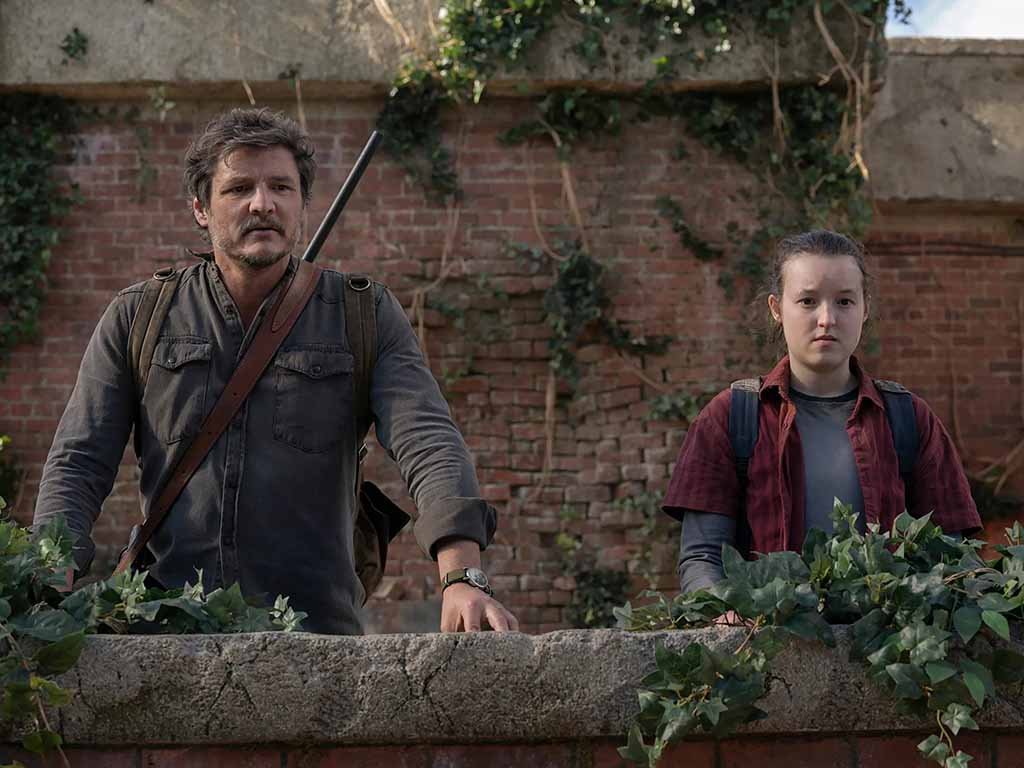
But it is where the first season and game end that makes this season, particularly the opening two and the second-to-last episodes, so thematically effective for the audience and characters. It is what makes Bella Ramsey and Pedro Pascal fit right into their roles, because they acknowledge their characters' past and present struggles when duking it out for who will make the other cry or yell first. It is how their actions affect those they love and care for, and where their road will take them. It is the brutality of a post-apocalyptic America that puts into perspective how dire their reality remains despite their attempts at making camp for a while. This draws people into The Last of Us, but the second season pushes those hooks into a corner they cannot escape.
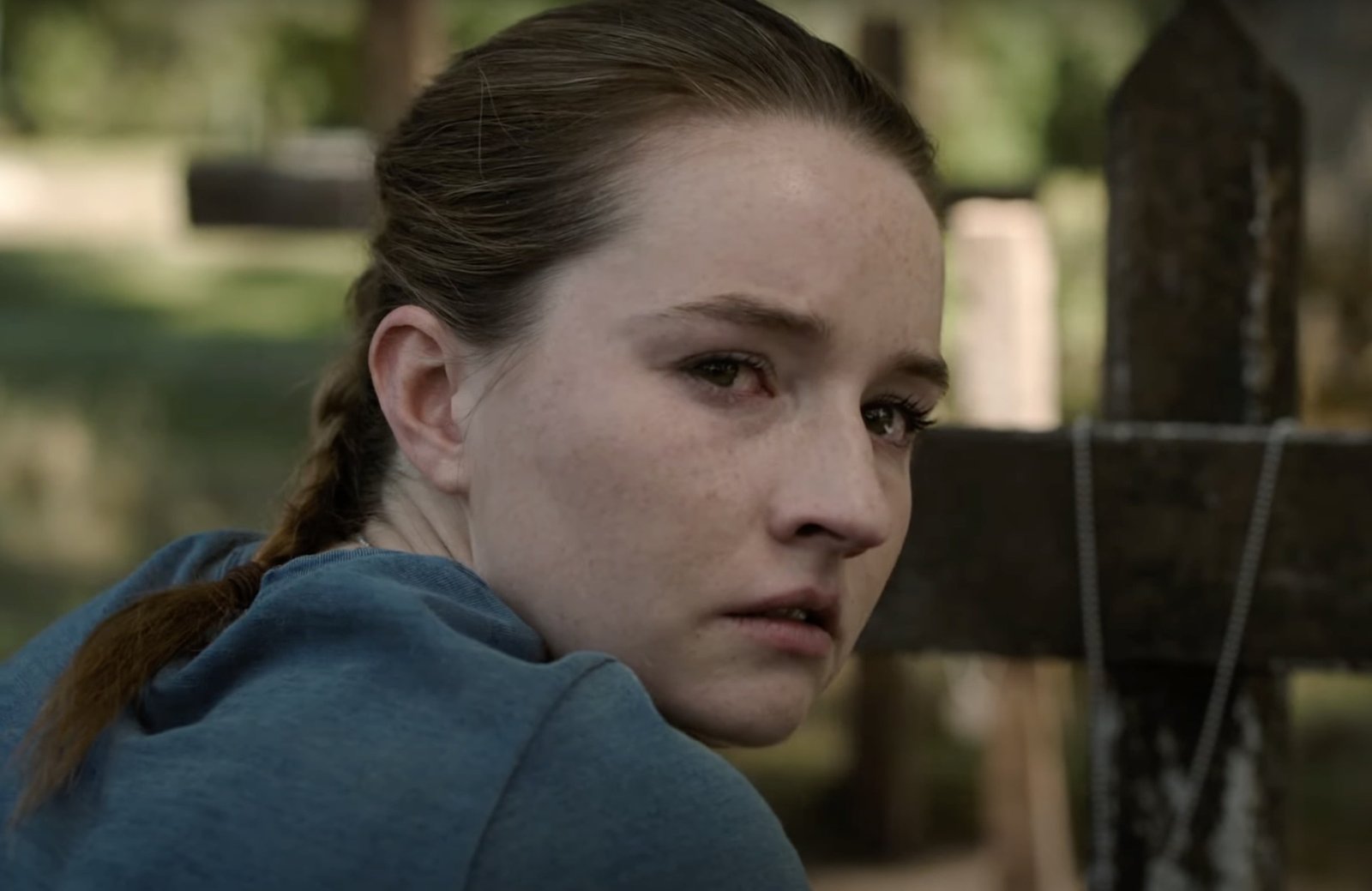
The primary conflict in Season 2 is between Abby and Ellie. Abby is the daughter of a doctor killed by the hands of Joel, among twelve others, when “rescuing” Ellie from the Fireflies. This results in one of the biggest moments in the game and the TV series, as Abby kills Joel soon after saving her from a horde of Clickers outside his new hometown. Except he doesn’t just kill him. She slaughters him, all while Ellie is restrained and Dina is drugged to sleep by her friends. She enacts a moment of pure rage and bloodlust, continuing the cycle of violence that Joel started, and Ellie will soon follow. This is the season’s turning point, because it explicitly asks the audience whether it is justified to slaughter a man out of cold blood for killing thirteen people he didn’t know to save someone he cared about. Joel knows what he did was wrong because Ellie was supposed to be killed to procure a vaccine and save humanity from fungi. He hides it from Ellie for that very reason and alludes to his admittance upon death row.
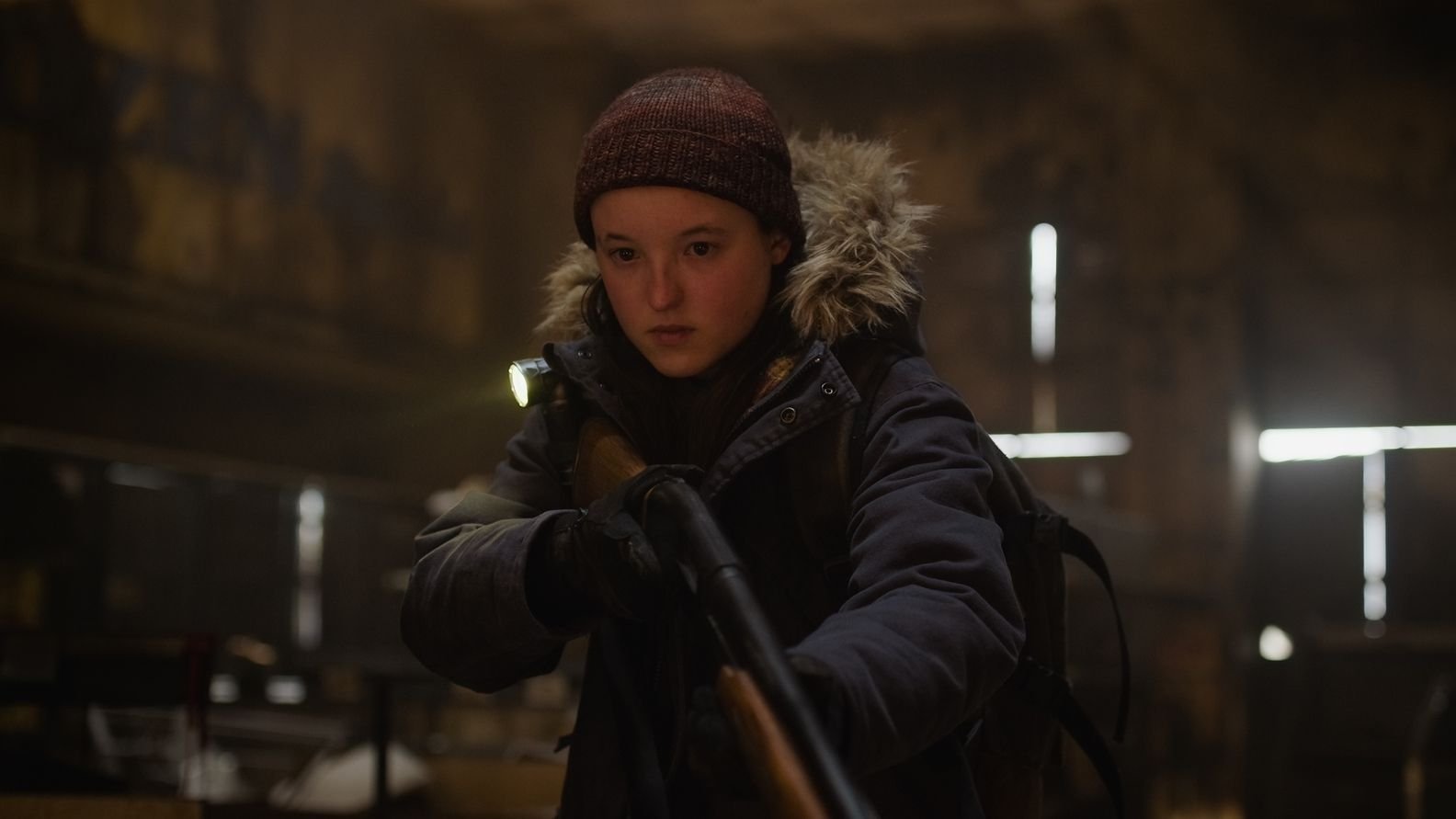
Season 2’s biggest problem is how it tackles morality, because it wants you to not view Ellie’s, Abby’s, or even Joel’s actions as unjustified. The series remains almost adamant that Abby is not wrong for killing Joel the way she does, all while Ellie lies on the floor watching it all happen. The same is said for Ellie’s murder spree to avenge Joel’s death. The story wants the audience to know these characters are committing excessive acts of violence, but the lens through which it approaches their respective conflicts does not see it the same way. As a result, it becomes difficult to side with either character when they both want to kill someone for killing another person, because there is no longer a lead character worth rooting for. In Season 1, Joel was the focus. The audience got to see what he went through to get to where he was, and to face the struggles he faced by saving Ellie. But he is dead for most of Season 2. The only other characters who come close to his level of relatability are Dina and Jesse. They both lose their edge, as Ellie’s story affects their respective journeys the further it progresses.
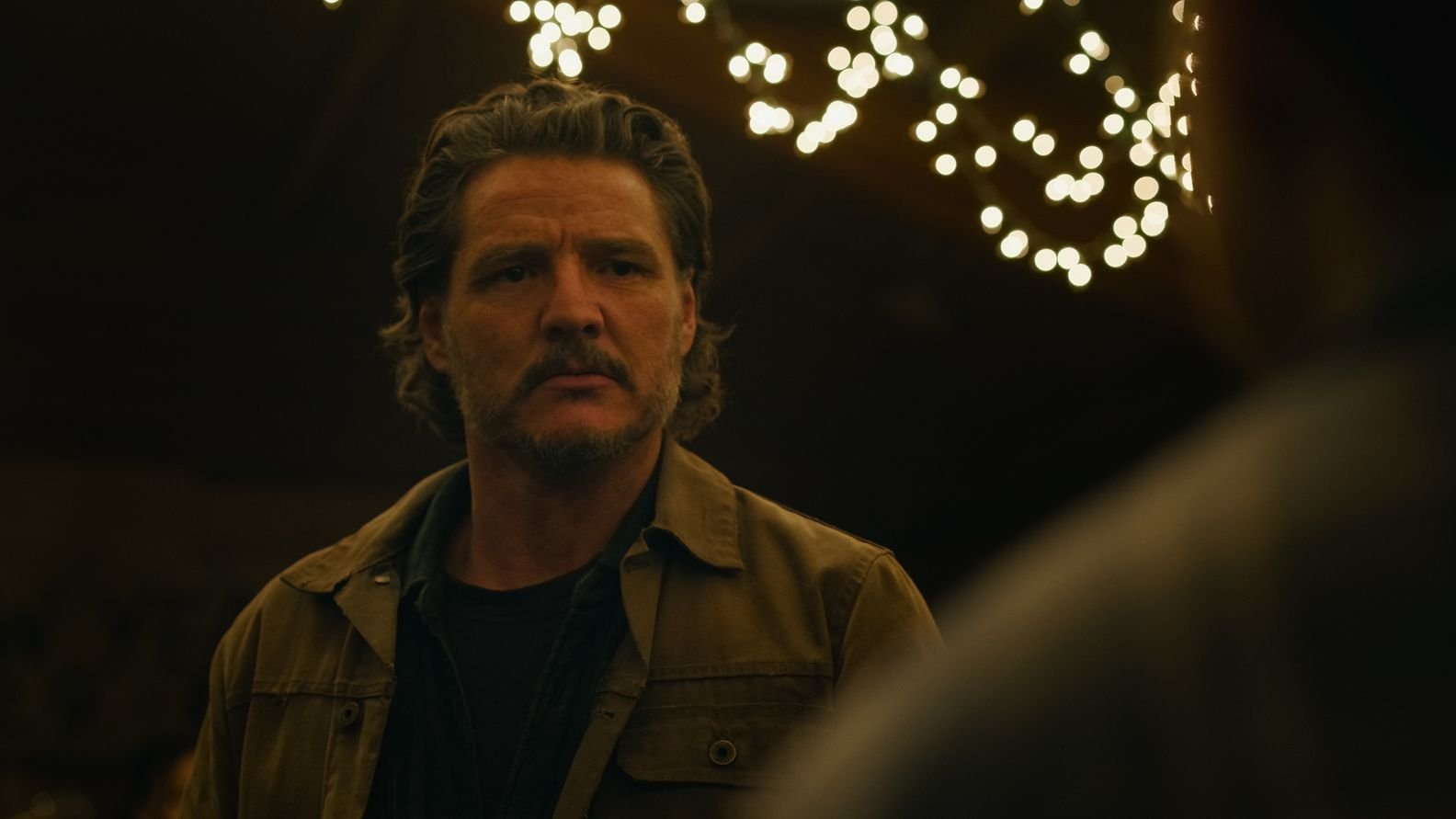
There is no denying the source material’s division when approaching The Last of Us Season 2 and its source material’s leading conflict. People can and will react to it differently, because morality is not a consistent value between them. But for the second season to double down on that division, rather than step back and make its themes and messaging more intelligible to the audience, is disappointing, considering how the season has shown so much promise. Whether it is justified to kill out of selfish protection, vengeance, or bloodlust will mean different things to people. The series’ tackling of such a dilemma through its supporting cast, often discussing whether one should do what’s best for the community, and what “community” means to them, is what saves an otherwise preposterous conflict from sinking to the bottom of the Seattle shores.
Make no mistake: what Abby and Ellie commit in this season is too far past morally grey behavior. The series’ decision to split the sequel game’s material in half makes its ending feel unrewarding, despite its occasionally successful efforts to create a thematic arc on par with its first season.
© Creative Insight 2024