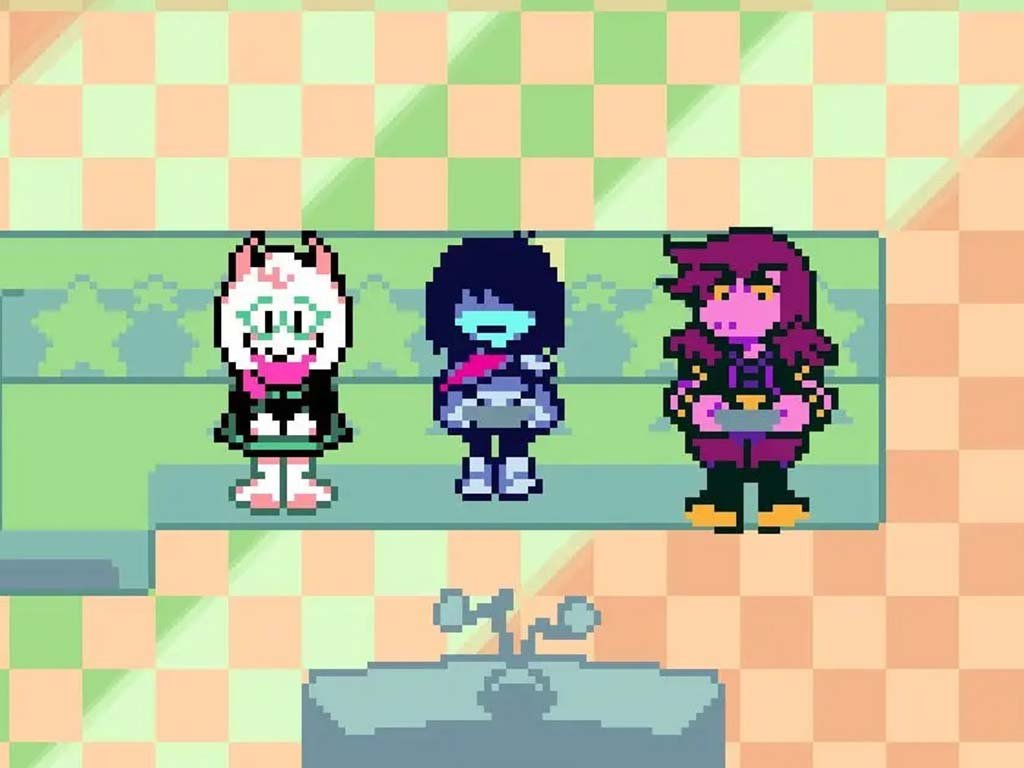
If 2024 was a yin-yang affair, 2025 was when the world flipped upside down and inside out. Stories were told — some good, others bad — and everyone at home and in the office was left scratching their heads about what we seek from them. Companies have continued to merge and consolidate to optimize profits. Studios have risked their reputations with audiences and consumers by laying off employees in overlapping positions (which has been happening in the creative space across the board in 2025). Regardless, there have been some great experiences out there to explore and discover — whether through recommendations from Creative Insight and other media publications or the creative medium at large.
As in years past, this list will include some stories I enjoyed during 2025 that were not released during the calendar year. So don’t be surprised to see 1958’s Vertigo up there with 2025’s Sentimental Value — two dissimilar films that I have used purely as examples.
NOTE: Many films, TV shows, and video games that received wide acclaim throughout 2025 will not be on this list, but can be found in a curated list of additions to my 2025 backlog. It had simply been a year for comfort and cult-classic movies.
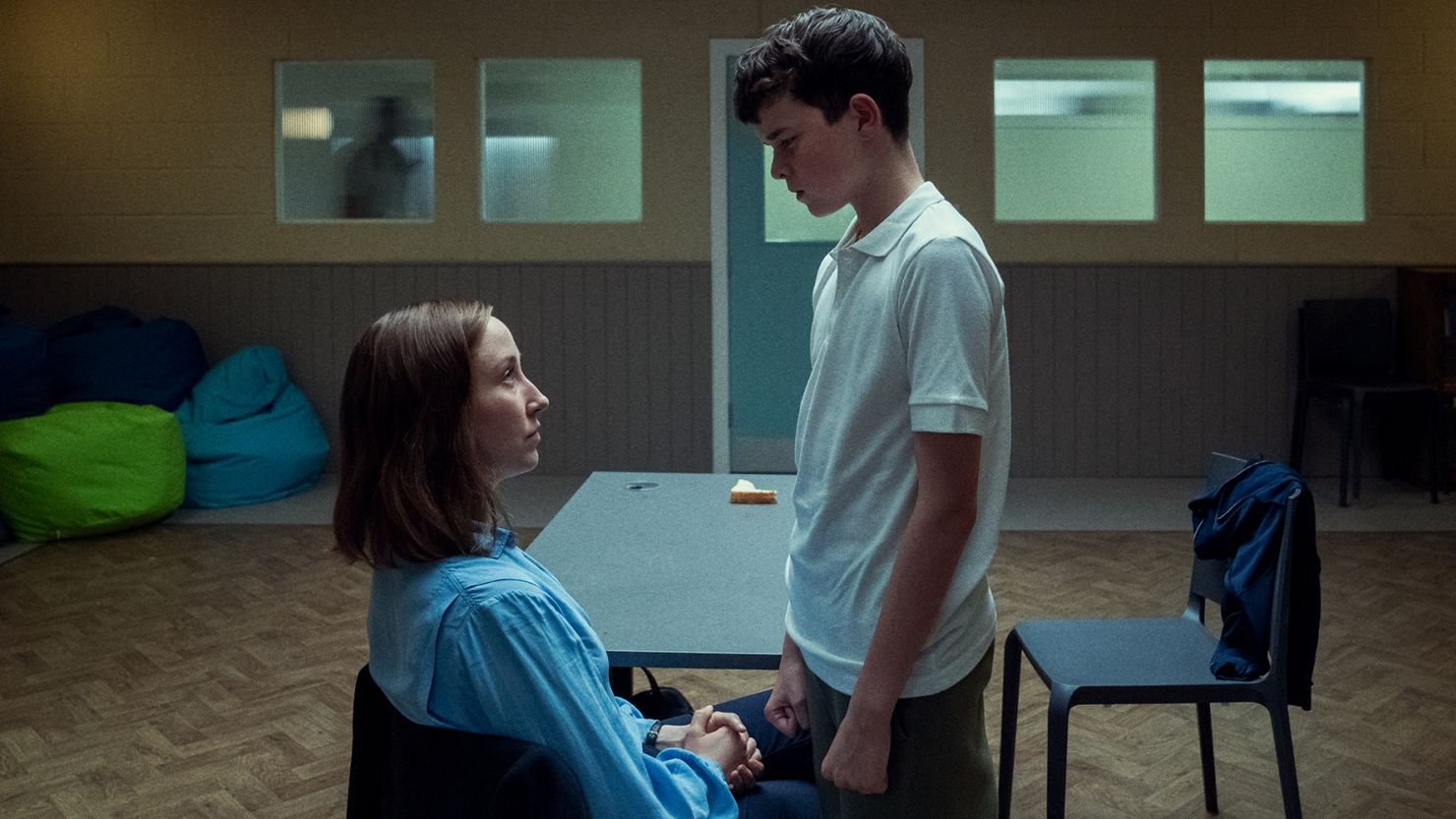
No story better represented the internet’s modern state than this: an incel culture-intensive observation into a British primary school girl’s murder. Its one-shot formatting technique allows its scenes to play in full, letting each character’s unfiltered emotions take center stage when they otherwise wouldn’t. The format also helps project the narrative through a more objective lens, allowing audiences to decide who is to blame for the murder at its core. It also subverts and pioneers the crime genre simultaneously by framing its narrative to make audiences think more about why the crime was committed, rather than who or what was responsible for it.
For some, it makes for a polarizing message, but so too is the internet and its surrounding culture. The grey area lying between right and wrong is explored through the show’s episodic shifts in perspectives. Its online discourse and awards-season success may have dissuaded me from writing a more extensive review, but it remains one of 2025’s best acts of gold-standard television.
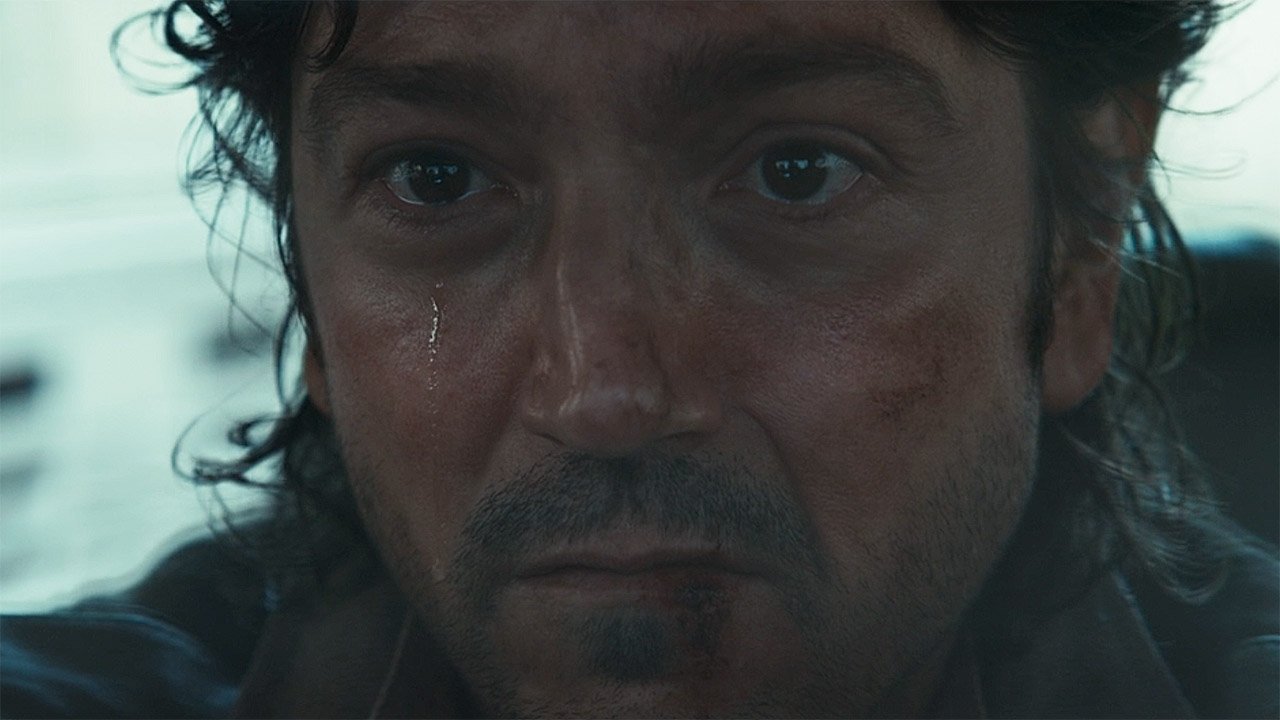
Ask anyone where they thought Andor’s second season would go, and none would have guessed it to provide one of the year’s most politically revelatory moments (on the silver screen, that is). Historically, Star Wars often infuses its politics with how it shapes the galaxy’s landscape. However, it wasn’t until Disney acquired the IP that more recent stories have used the prequel trilogy’s more intense political themes to explore the rise of the Rebellion. Dave Filoni’s Star Wars: Rebels may have broken ground with a broader kid-friendly audience, but it was Gareth Edwards’s Rogue One that brought the core themes driving the Rebellion to life, only to be later continued and defined by Tony Gilroy’s prequel series.
Neither season may fire on all cylinders every waking second, especially when this season incorporates a more overarching narrative instead of the previous season’s more bite-sized arcs. But it leads to some of the best and most intense episodes ever explored in Star Wars canon. Its meticulous buildup to its biggest and most pivotal catalysts for change and tyranny in Star Wars proved testament to how powerful a Star Wars story could be under the right guidance, and exemplifies acts of rebellion better than any other series in our current era of prestige television.
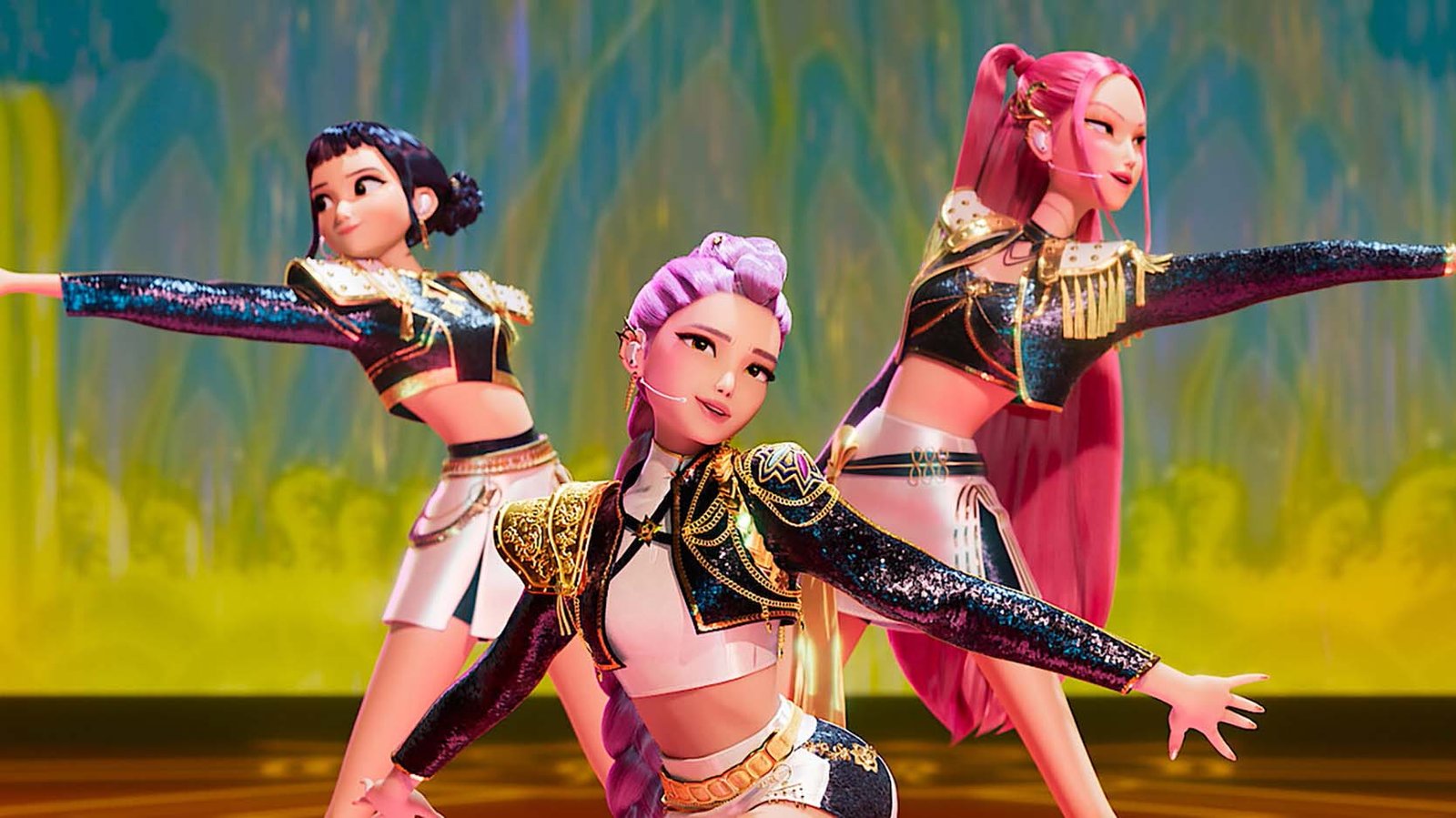
Netflix’s prolonged avoidance of theatrical releases aside, much of the smash hit’s success was due to the brand’s business model. Debuting movies on a streaming service allows die-hards to rewatch as much as they like (which they did) and others to access their popularity with relative ease (which I did). What started as yet another stellar outing from Sony Pictures Animation with an incredibly well-written and directed animated musical became a celebration of Korean culture and perseverance. It was an ingenious modernization of an aging format — pioneered by Disney, no less — that acclimated to modern tastes in music and entertainment. From its character designs to its biggest song, “Golden,” being the facade that makes way for truth, acceptance, and understanding.
Yet, what fascinated me most was its post-mortem press tour. This was where music artist EJAE admitted to her struggles in becoming a singer, heralding the film’s core message of perseverance and ingenuity. It’s admittedly my favorite part about what’s come out of the film’s discourse, because her journey resonates with not just creatives but minorities and those who think they can’t. That alone deserves all the praise K-Pop Demon Hunters has received, and what will likely last long after its debut on the Billboard Top 100.
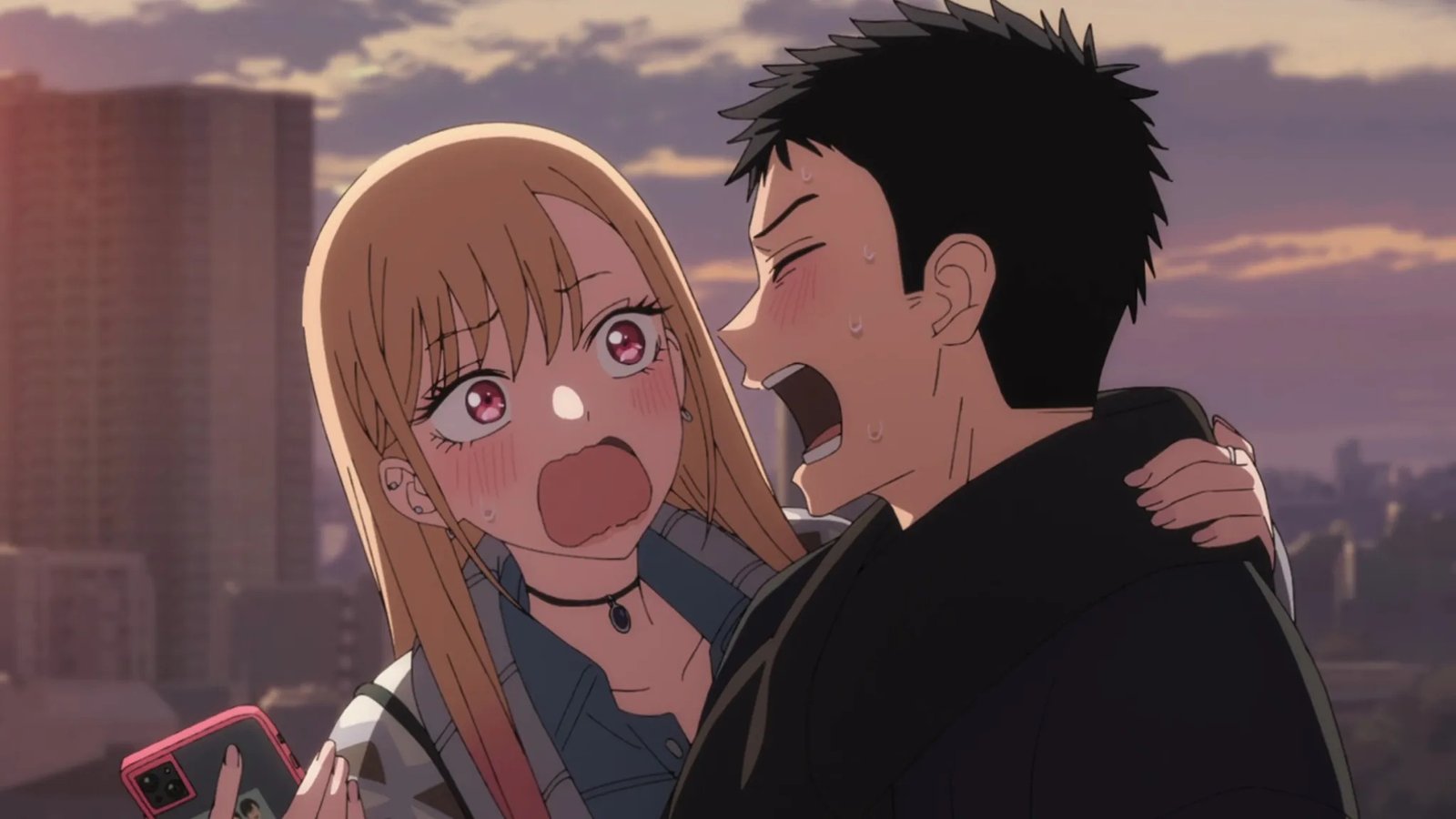
My Dress-Up Darling’s story struck a chord with me more than it might have with others. Past its tendency to veer into fanservice and “will they, won’t they” romance, it remains a beautifully campy and heartfelt romantic comedy that shares utterly striking moments amongst two people learning to love the artistry behind cosplaying and the friends they made along the way, in a way that its first season never accomplished.
Its lead protagonist, Gojo, continued to be the series’s most relatable character, learning to undo years of internal shame through those who truly respect and admire him for who he is and what he loves to do. Marin Kitagawa may have been the biggest benefactor, which partly explains her mostly internalized love for Gojo, but the supporting cast provided equal layers of depth and meaning to each of their respective journeys as they grow and develop in the cosplaying space. My favorite romance stories are often those that resonate with my values or aspirations (or love for tragedies), and it's blissful to feel that one of my favorites of the decade wholly fills that bucket.
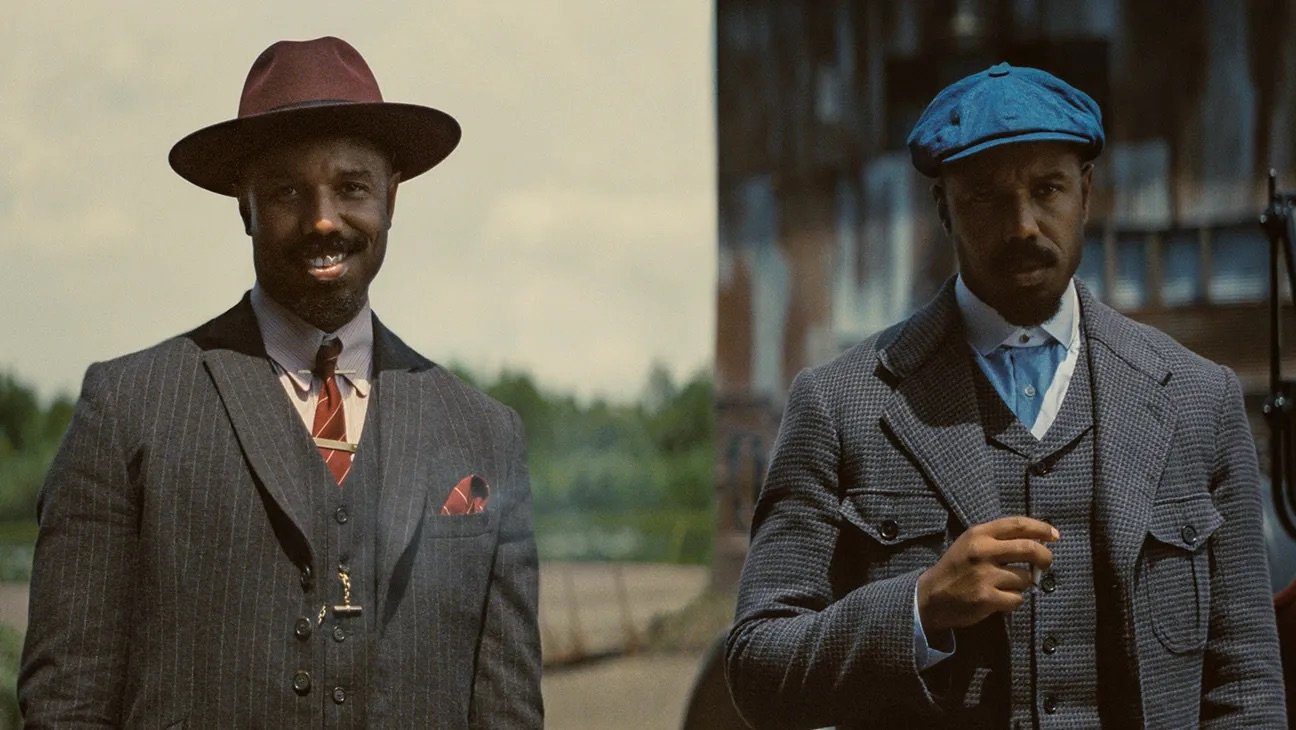
The Awards circuit has often overlooked films released earlier in the calendar year or that exist in the horror genre. However, there have been cases where each trend has been bucked by sheer quality and word-of-mouth. Everything, Everywhere, All at Once, which dominated the 2022-23 circuit, received a limited release in March, and The Silence of the Lambs became the first and only horror flick to win Best Picture back in 1994. These trends occur now with Sinners, only this time, it must buck both in one fell swoop.
Fortunately, under the guise of Ryan Coogler and Michael B. Jordan, the film painted an illustrative, grim, and bloody picture of early 20th-century American life in rural Mississippi while celebrating the cultural roots brought over to the United States by the immigrant population. The result is a thrilling, chilling, and moving journey that teaches how multi-faceted it is to consider America as a cultural melting pot. It also features three of 2025’s best acting performances from Miles Caton and Michael B. Jordan, neither of whom has led the Best Actor or Supporting Actor debates despite Jordan playing two identical yet impeccably distinct lead characters. The circuit is often a battle of wits and money over pure talent and subversive performances, but everyone knows which film will stand out among this year’s candidates in the years that follow.
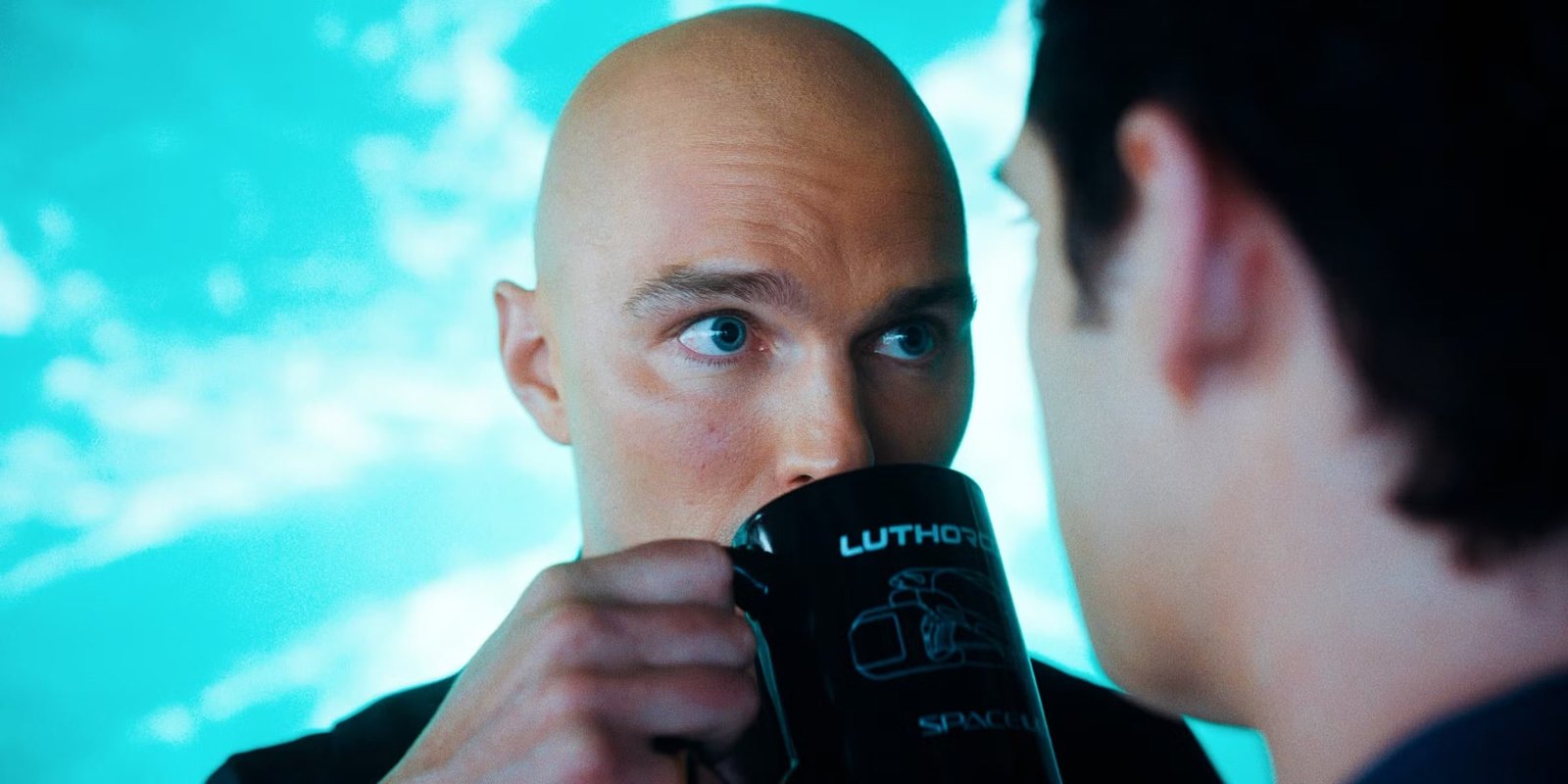
My most unexpected realization in 2025 was that I am a DC fan — partly because of Marvel’s reign as Hollywood’s high-quality profit monkey and primarily because DC adaptations have been…murky, to say the least. However, Matt Reeves’s success with The Batman got me nestled into my seat just for James Gunn’s Superman to make me rise to a standing ovation. DC’s charm comes directly from the eclectic vibes of its science fiction, with Gunn reinforcing Superman’s status as a symbol of hope and peace by challenging that with the return of his most iconic foe and what it means to be and feel human.
Best of all, its approach to Clark Kent’s relationship with Lois Lane and Superman’s with Lex Luthor brings life to one of my favorite ways to tell a story: an argument of values between characters. Some may argue it picks up a few too many tricks from comic books, but as Marvel’s dominance comes to rear its ugly head, I dare say that’s exactly how it should be.
F1 and Sinners may give good ol’ James Cameron a run for his money this time around (in more ways than one), but nothing beats the sheer aura and innovation of the technology he has pioneered since the original film back in 2009. Its precursor’s focus on water may have been a much more technologically challenging feat, but humanity’s artistic fascination with fire and chaos more than makes up for it.
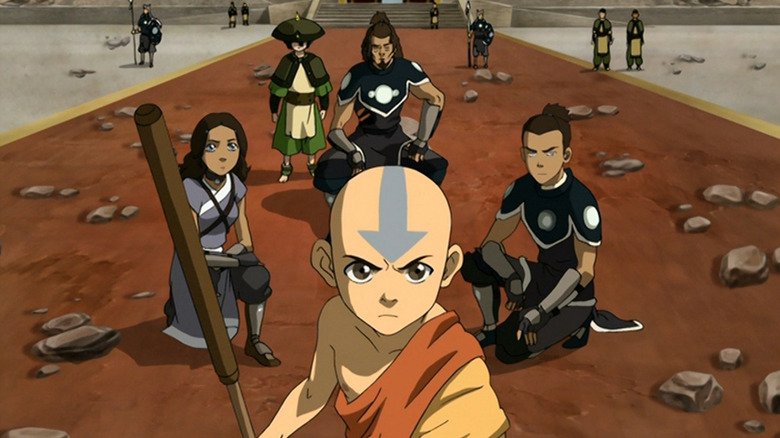
Unfortunately, despite dabbling in video editing for several years now, I do not pay much attention to how certain scenes are stitched together. However, those I do notice often do something so distinct that it cannot be ignored. Case in point: Marty Supreme’s opening and closing sequences. Playing “Forever Young” as a backing track to Marty going ham on his childhood friend to open the film should never work. Yet it so perfectly captures the protagonist’s state of mind and the tone the film takes on that it makes for one of the film’s most exciting moments, and gives us a taste of what’s coming. Its sheer audacity to be raw and unfiltered kept me glued to its theatrics, and plays a big enough driving force in how it is edited better than any of its contenders.
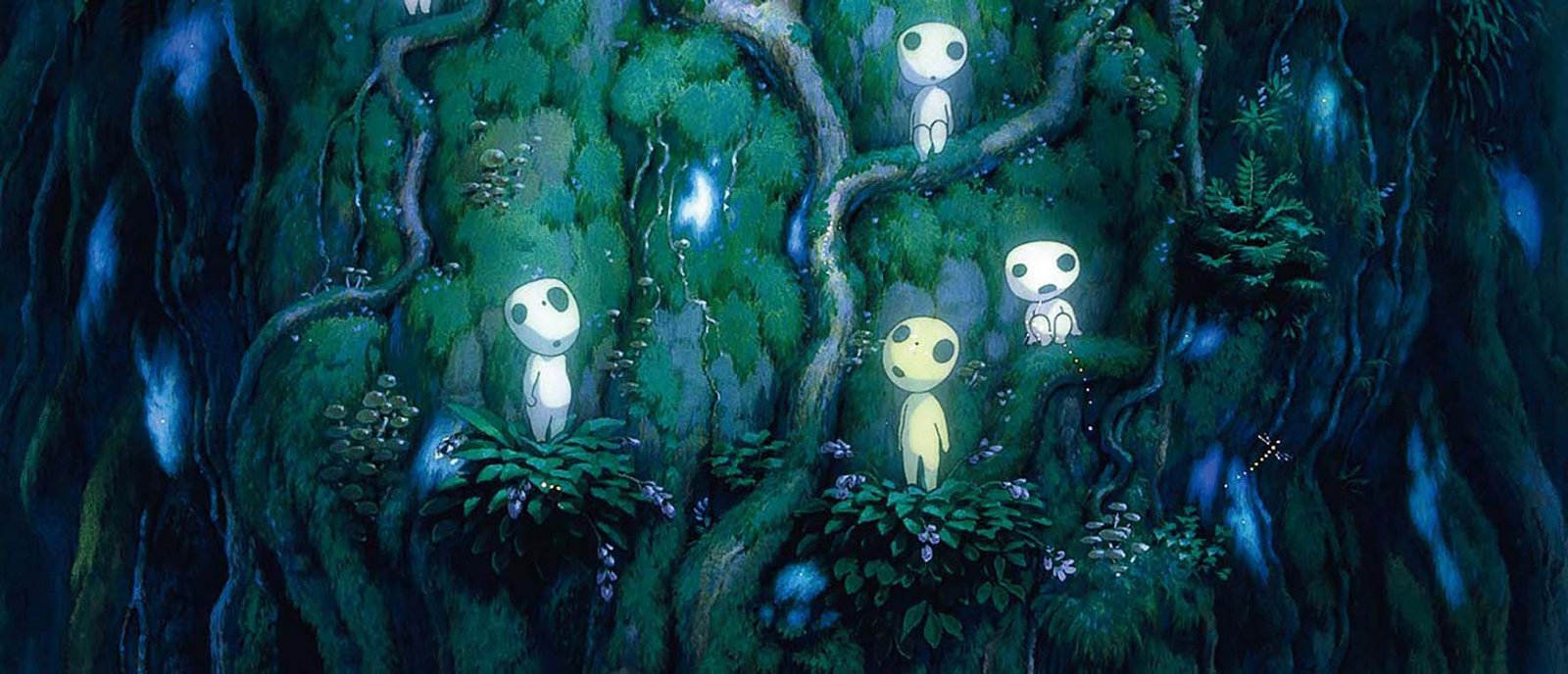
Kudos to Hamnet and Frankenstein for trying their best to give One Battle After Another a run for its money this awards season, because the film’s script has come out on top every single time. For no movie is safe from the reign of its witty humor, the balance between said wit and its dramatic focus on revolutionaries and immigration, or its willingness to be nonsensical.
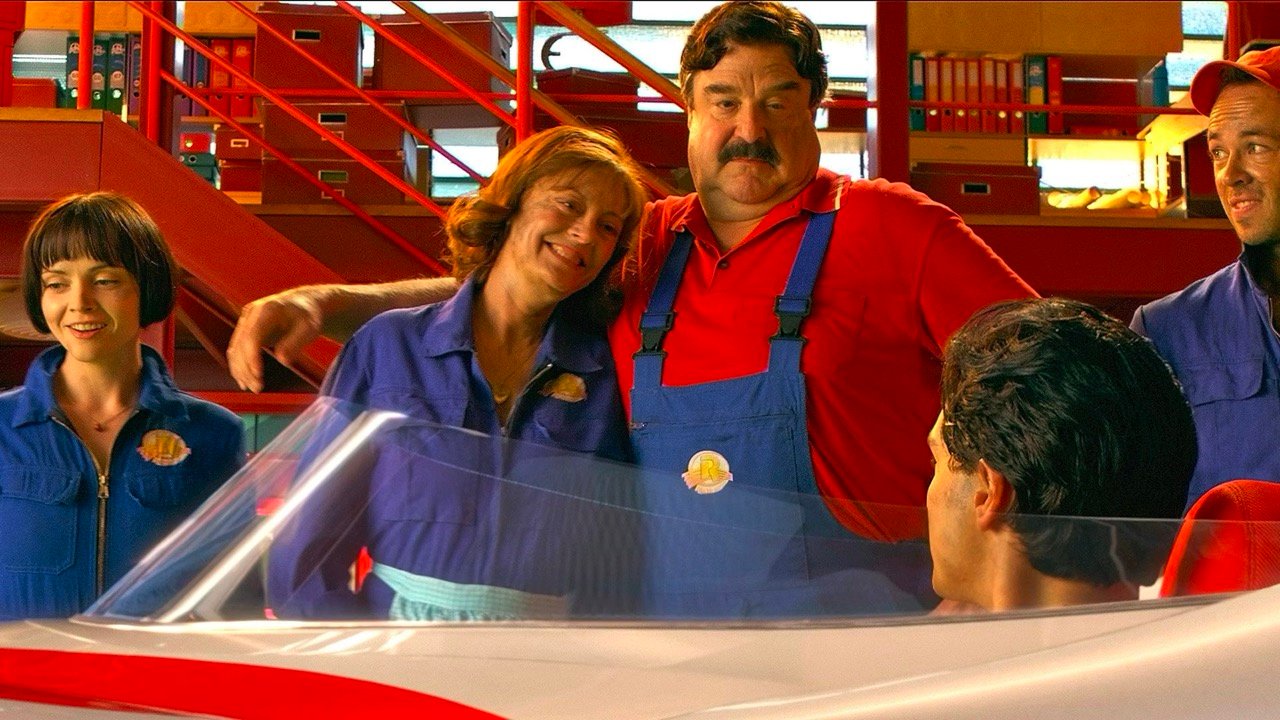
This category will likely come down to what Academy voters value more in a movie’s screenplay. Do you give it to Marty Supreme for its wit and raw entertainment value? Or to Sinners for its artistry and cultural exhibition? Obviously, my money is on the latter, as it has better longevity and impact (which it needs to have, considering it released back in April).
Photo credits: Cloverworks, DC Studios, Netflix, Nickelodeon Animation Studio, Proximity Media, Studio Ghibli, Warner Bros.
© Creative Insight 2024