Whenever awards season rolls around, there is always a small lump of nominees passed on or overlooked by audiences. Perhaps they never received a theatrical release in a given territory, had a “niche” premise or message, or had little marketing material to get the word out. All of these elements often have to work in tandem for audiences to seek them out and spread the word to others, especially when the best movies of a given year are rarely the most popular or profitable. So, while Train Dreams falls victim to all three mishaps, being an adaptation of an unknown novella and acquired by Netflix shortly after its debut in the 2025 Sundance Film Festival, it remains a stellar-performed time capsule, painting a wonderful snapshot of the American Northwest in the 20th century while understanding what it means to live with grief and obsolescence.
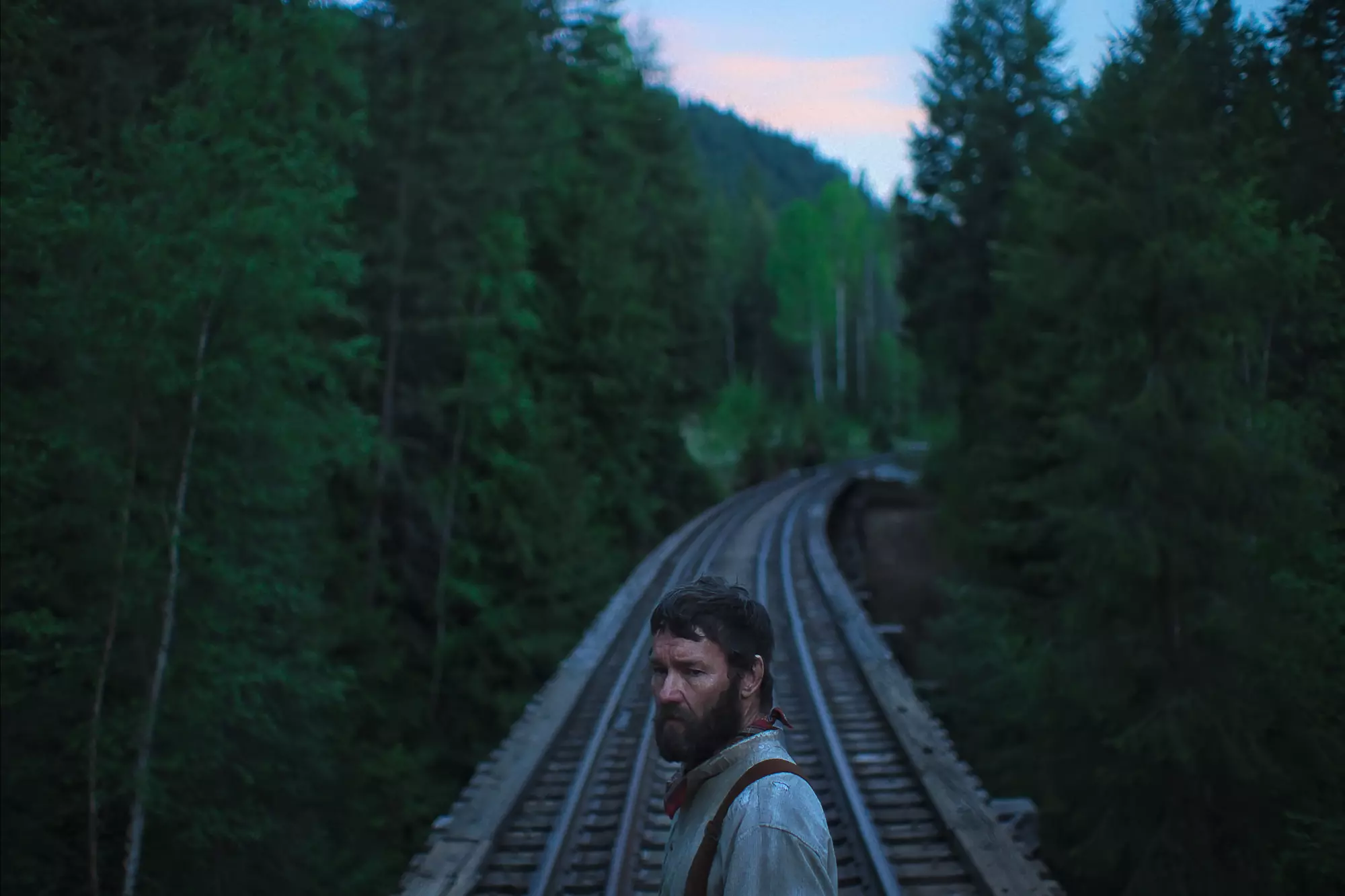
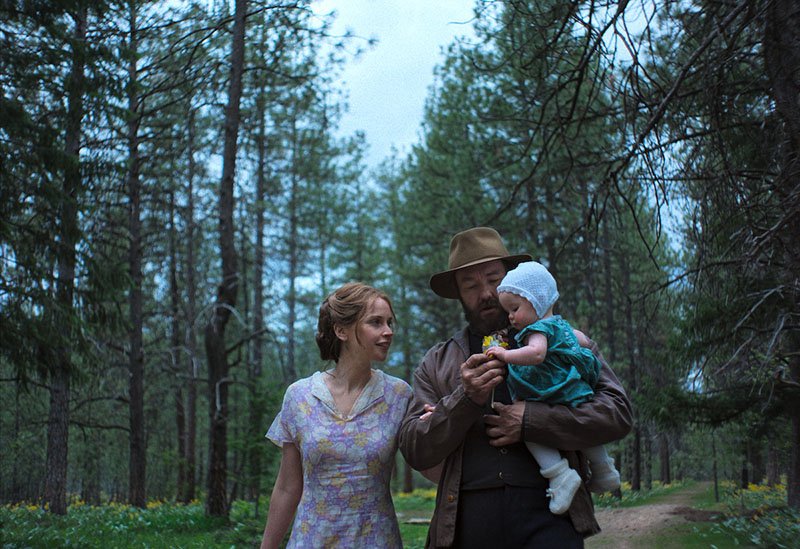
For one, the cast is practically all that’s needed to know that Train Dreams will be a truly captivating experience. Edgerton’s Robert Grainier may be the movie’s focus, spending much of its runtime capturing lush forestry through his lens. Still, the supporting cast provides additional perspectives for his character to observe, learn from, and listen to. Felicity Jones’s Gladys casts a remarkable and kindred spell on Robert that lays the foundation for his struggles as he journeys back and forth from home and work as a wood logger. William H. Macy’s Arn allows Robert a chance to relax and enjoy his time as a logger, sitting beside an aging yet experienced soul who has learned to appreciate all that nature and humanity gift us. Kerry Condon’s Claire offers catharsis and sympathy when Robert is at his lowest, providing him peace and confinement with how the world is, has been, and will be. Together, they sustain an otherwise abstract framing of rural 20th-century America, providing an oddly cathartic exploration of the wilderness for the protagonist and the audience.
On top of this, the film looks and feels breathtaking. Shot using practical lighting and set pieces, it recollects the America of old: the land of endless opportunity and expansion. Trees as far as the eye can see, with few automobiles in sight. It walks the walk of a wood logger and talks the talk of a peaceful observer. For some, it may lack the bones of a provocative overarching message about how people should see and experience the world. Yet, it shows us, through unfiltered perspectives and rapid industrialization, that there remains beauty in something often ignored or taken for granted. There is something beautifully hand-crafted about the way the movie not only looks, but feels and makes people feel, that no film today has dared accomplish. It’s such a rare and cathartic reflection of what makes the world so special to all walks of life, and it’s all done with impeccable radiance and purity.
If there is one thing people primitively fear, it is obsolescence — a label for a past that was once our present, seasons that have come and gone, and people that no longer ebb and flow with the circle of life. It’s a funny feeling, knowing that someone will one day be as obsolete as all the things that are and have been. But it’s what people do in the present — how they spend their time living — that allows them to make do with their story’s ending and enjoy the scenery as it passes by.
No matter what happens, nature will always be there. Through all the doom and gloom, the technological advancements, the growth and decay of flora and fauna, it always finds a way to be there, right where it has always been. So, this movie may be a snapshot of one man’s life as the American Northwest rapidly advances along with the rest of the world, but it always has a lust for new perspectives — whether they be young and naïve or aging and wise. Robert meets so many people and walks so often alongside the never-ending forests that his most important memories are those closely tied to them. He lives wondering if he could have done better for himself, his colleagues, and his family. He finds solace in shared experiences, and he dies a little more freed from inward grief and regret. Most importantly, he remains at peace with the concept of obsolescence and makes it an opportunity to see more of what the world makes of itself.
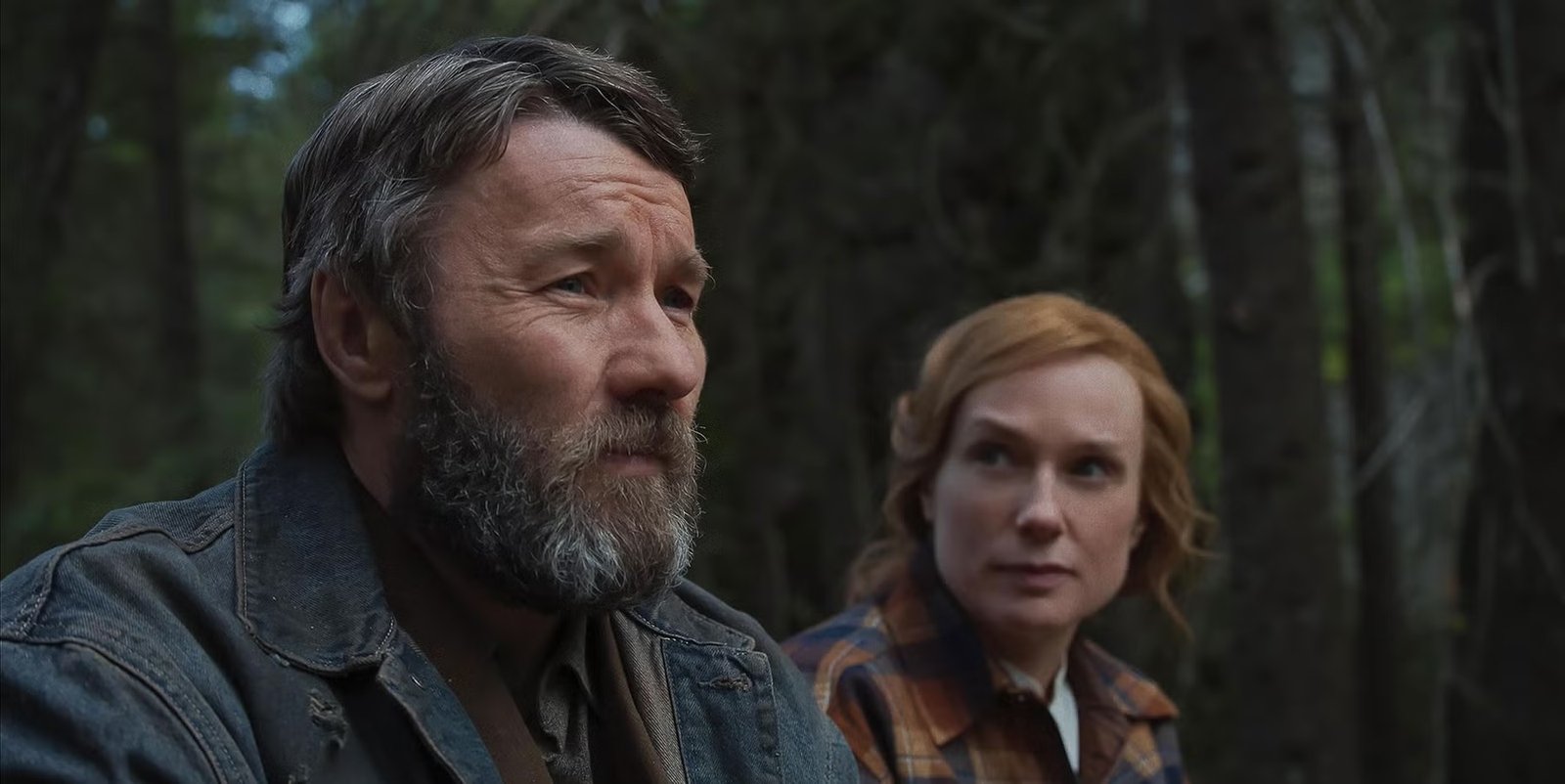
Few films can capture the wilderness in such a raw, observant state, or illustrate a primitive fear of the slippage of time, of never having enough to spend enjoying what matters most. Even fewer can do both while proving the obsolescence of an entire generation. Yet, it captures all three in a way that never fully evokes dread, pity, or despair. In fact, it manages to be a story that captures the polar opposite, while imploring people to remain at peace with what they don’t know about themselves and the future to enjoy what’s already there. It's pacing crawls to bask in its picturesque landscapes and tactile response to the world that once was. It hopes to inspire people to find a bit of nature the next time they take a stroll. Because there is beauty, bliss, and happiness everywhere we look. We just have to discover where it lies.
Photo credits: Black Bear, Netflix
© Creative Insight 2024