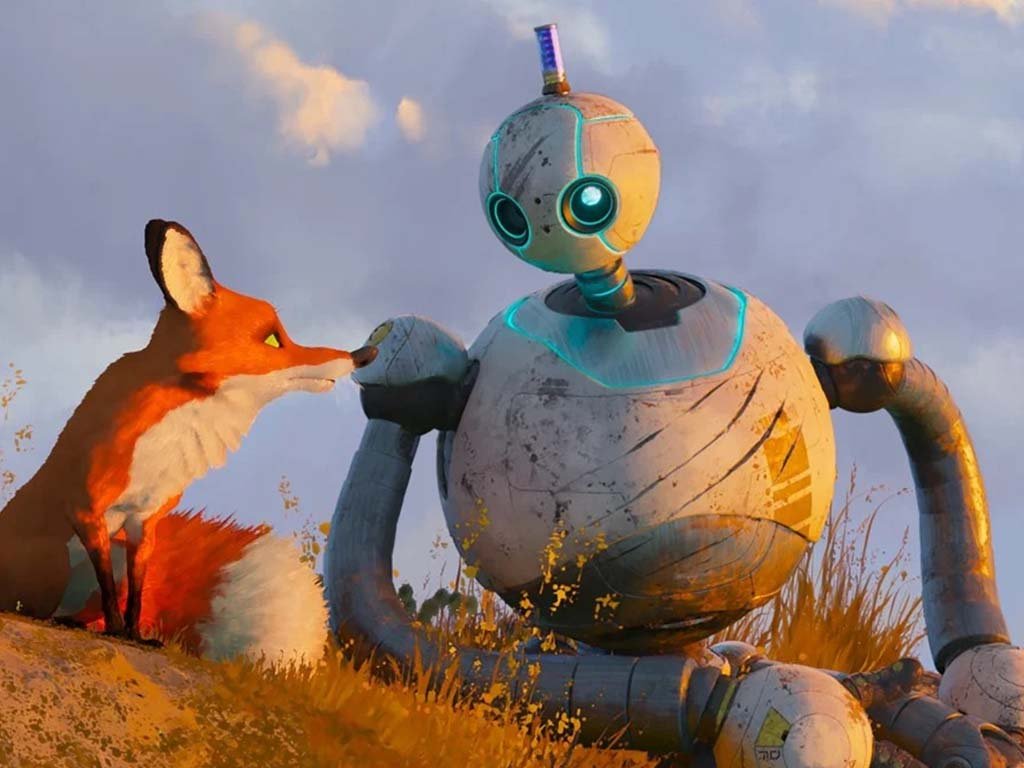
Over the years, Pixar has slumped from its peak to unfortunate levels of obscurity. Between the misfortune of releasing four films during the pandemic and the further misfortune in the likes of Lightyear and Elio, the brand’s morale stands at an all-time low. CEO Pete Docter is not afraid to admit as much, being the driving force behind some of Pixar’s best movies. Yet, his recent remarks on Elio, Pixar’s biggest commercial failure to date, raise valid questions about the role movies play between the filmmaker and the audience. Should filmmakers be allowed to throw everything they have towards their passion project and risk alienating a percentage of the audience? Or do you cave in to producers asking to omit much of what got the project greenlit in the first place?
Pixar and Docter have found it difficult to find a sweet spot that doesn’t overly compromise a movie’s overall package. That’s what killed Elio before it even released in theaters, with the original director exiting and the team reworking the entire film. Yet, despite all the setbacks the studio has faced in recent years, Hoppers and director Daniel Chong pave the way to one of Pixar’s ideal futures — one with a justified compromise between a story’s creative vision and commercial intent that leaves many hopeful of what’s in store for Pixar and the world at large.
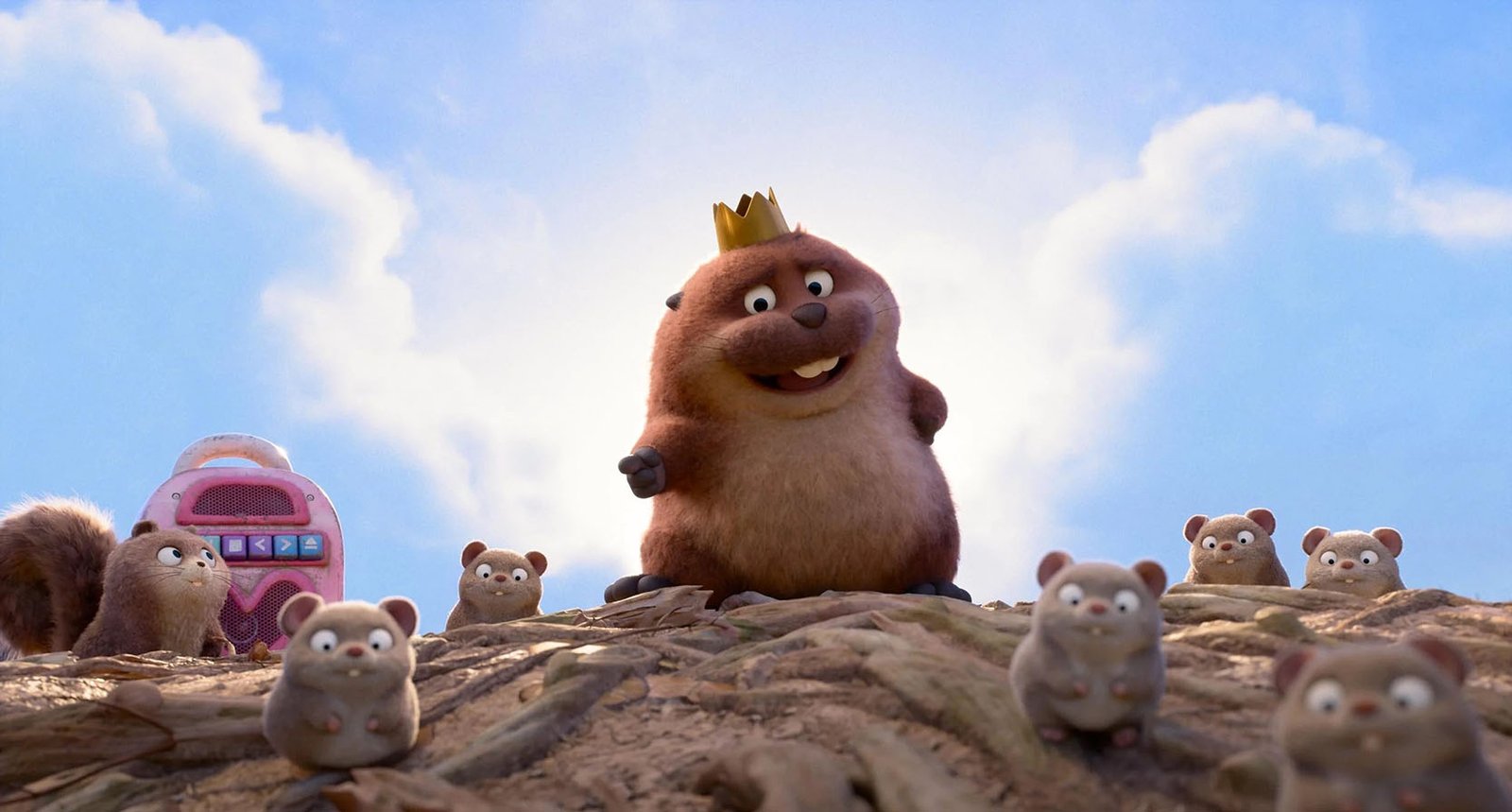
What always makes Pixar movies so special to so many people is their ability to intertwine comedy and entertainment with emotionally resonant themes, all while appealing to audiences across a wide spectrum. WALL-E, Monsters, Inc., and The Incredibles are but a few of their films that have been widely acclaimed for that very reason, but it's equally as easy to go too far in one direction. Their best films feel personal and enthralling, not one or the other. So while Pixar’s recent run with Lightyear, Elemental, Inside Out 2, and Elio have fallen short of reaching an equilibrium between the two, Hoppers has been the first instance in many years where those elements share the same spotlight — case in point: the characters. The protagonist, Mabel, is an environmentalist, as much as she is naïve and impulsive. Jerry is a beloved mayor, as much as he is ignorant and entitled. George is a respectful leader, as much as he is devoutly optimistic. No two characters ever fully agree on a course of action, but each has a reason for what they do. They all make decisions that could have been easily avoided if they had taken time to understand each other’s perspectives, which ironically makes the brief shift in perspective to Jerry in the movie’s latter third one of its most understandable turning points. The movie ultimately observes these characters freely expressing their thoughts and opinions, but they make compromises that benefit everyone and not just themselves.
Second case in point: the story. Combined with its characters, it finds a balance between humor and emotion. It tends to dial its zaniness to eleven for laughs, but it allows those low points to stick out all the more to audiences. If anything, the movie’s humor keeps audiences engaged and on their toes with what might happen next, making Hoppers an experience like digging for treasure or exploring the nearby forest. There will be dips and valleys people will uncover, but there are just as many moments providing amazement and catharsis, reminding us of the journey we took. It may leave something to be desired in contextualizing certain characters’ motivations, but what’s provided for audiences to relate to and engage with allows the plot more time for more enthralling themes and set pieces, much to Pixar's and the audience’s benefit.
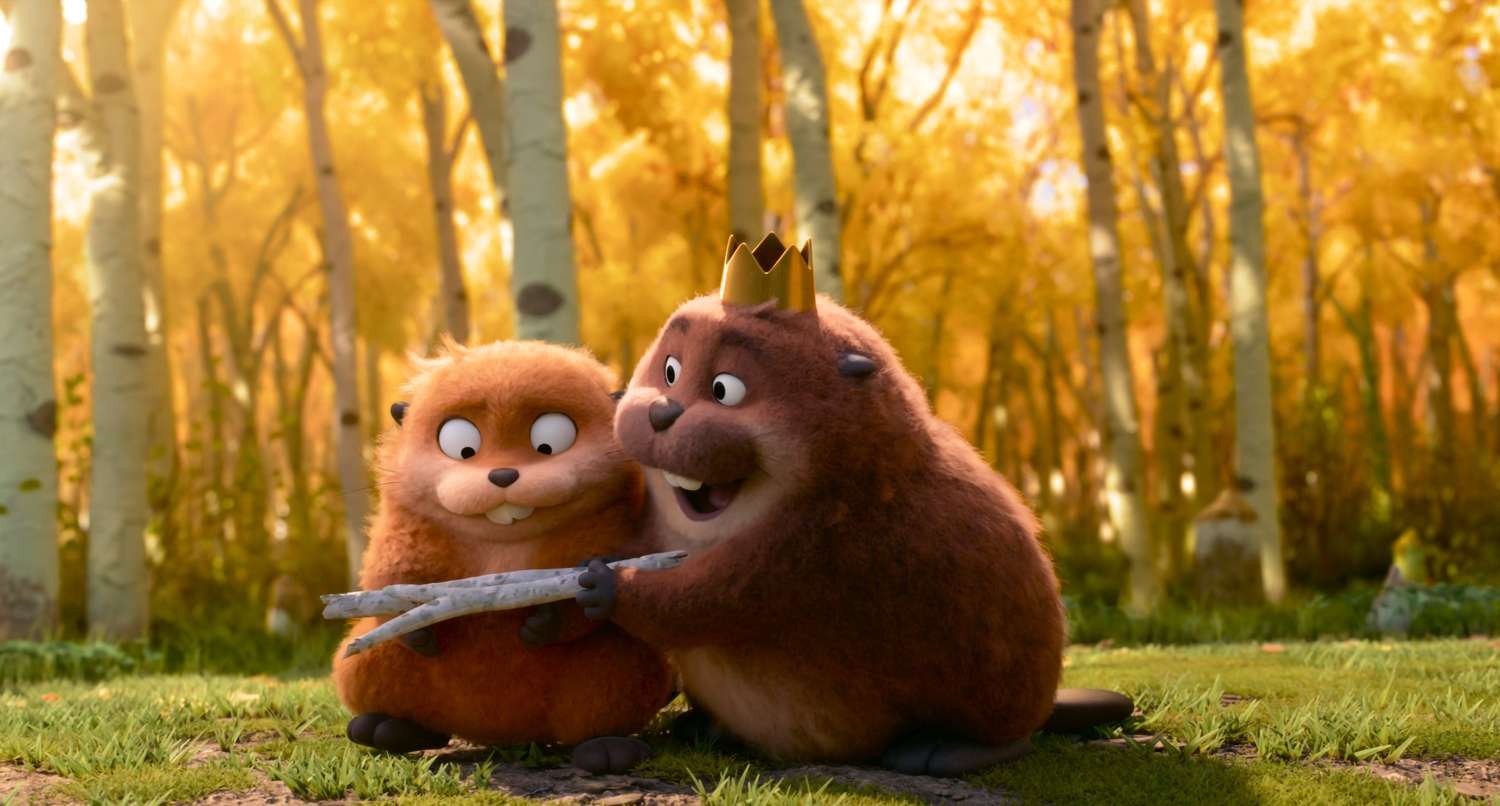
Hoppers is often at its most profound when it adopts the mentality of a beaver (in more ways than one). Early on, the film establishes how vital beavers are to maintaining an ecosystem. Through dams, they create a sustainable environment that benefits all life. If there are no beavers, there is no maintenance. If there is no maintenance, there is no ecosystem. Not only can that ecosystem sustain a community of life, but it also provides us with the power to appreciate the world around us. As Mabel’s grandmother says, “It's hard to be mad when you feel like you're part of something big.”
Her words remain at the heart of everything Hoppers says and accomplishes through its moments of optimism, environmentalism, and compromise. It provides a shining beacon for how we escape times of despair, desperation, and disagreement, and it’s one that audiences should be reminded about now more than ever. We all hope for a better outcome. We all grieve about life’s impermanence. We all fear going through it alone. Yet it’s important to share reminders about how we can overcome those existential obstacles. Touch grass. Enjoy the sunset. Laugh with friends. Find a middle ground at the family dinner. Because they will make everyone feel whole and comforted.
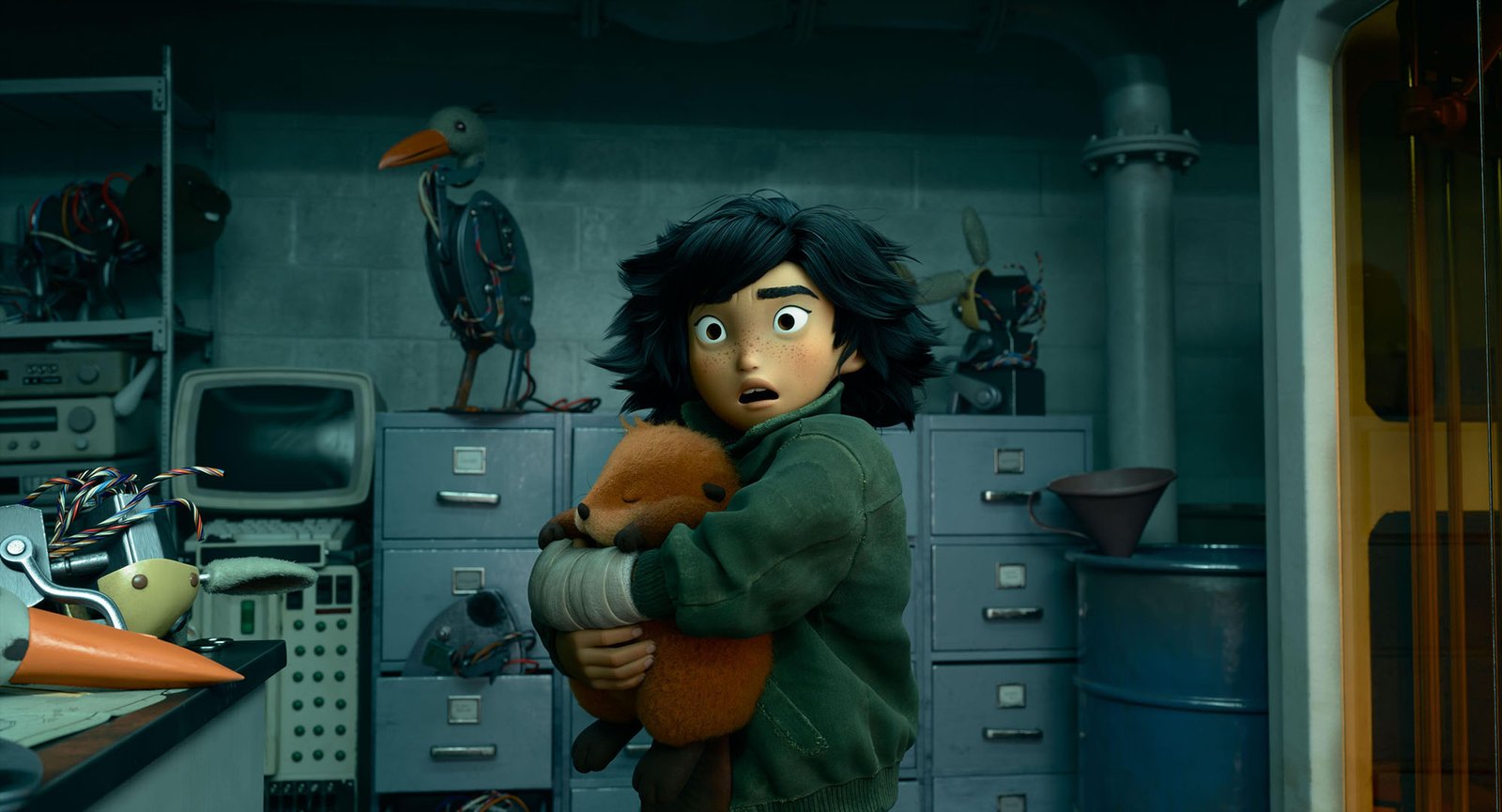
I rarely remark on how something is better if people go in without knowing much about it. Hoppers has finally broken that rule. Not just for its emotional messaging, or its refreshing ability to be unpredictable, but for what each character embodies and how their motivations are thus explored. It also has impeccable comedic timing, making for a striking and well-rounded experience that could have benefited from shedding more light on each character’s backstory. It features a conflict with a delayed compromise, but we’d run out of fingers and toes for the number of times that happens daily in life. The purpose is not to wallow in those conflicts and stick to what you feel is best, but to seek out different perspectives and come to a common understanding that we would all benefit from. The last thing anyone wants is to be “squished” by those who lack the fortitude for it.
Photo credits: Disney/Pixar
© Creative Insight 2024