To many, Sean Baker is an up-and-coming filmmaker who has put a recent spotlight on the sex working community to help remove its stigmas and glorification to the eyes of the average movie-goer. However, his footprint in the film industry dates back to 2000 with his directorial debut, Four Letter Words. He didn’t make pictures focused around sex and the sex working community until Tangerine in 2015 and The Florida Project in 2017, and he went much of his career without widespread acclaim or recognition from audiences or critics. Enter his somewhat surprise hit: Anora, a film about its titular female sex worker and her escapades with the son of Russian oligarchs, which won the Palme d'Or at the Venice Film Festival and picked up steam from there on out. And while it is often heavy-handed with its subject matter, Baker's work and dedication to his craft culminates in an equally comedic and dramatic experience deserving of its acclaim and accolades.
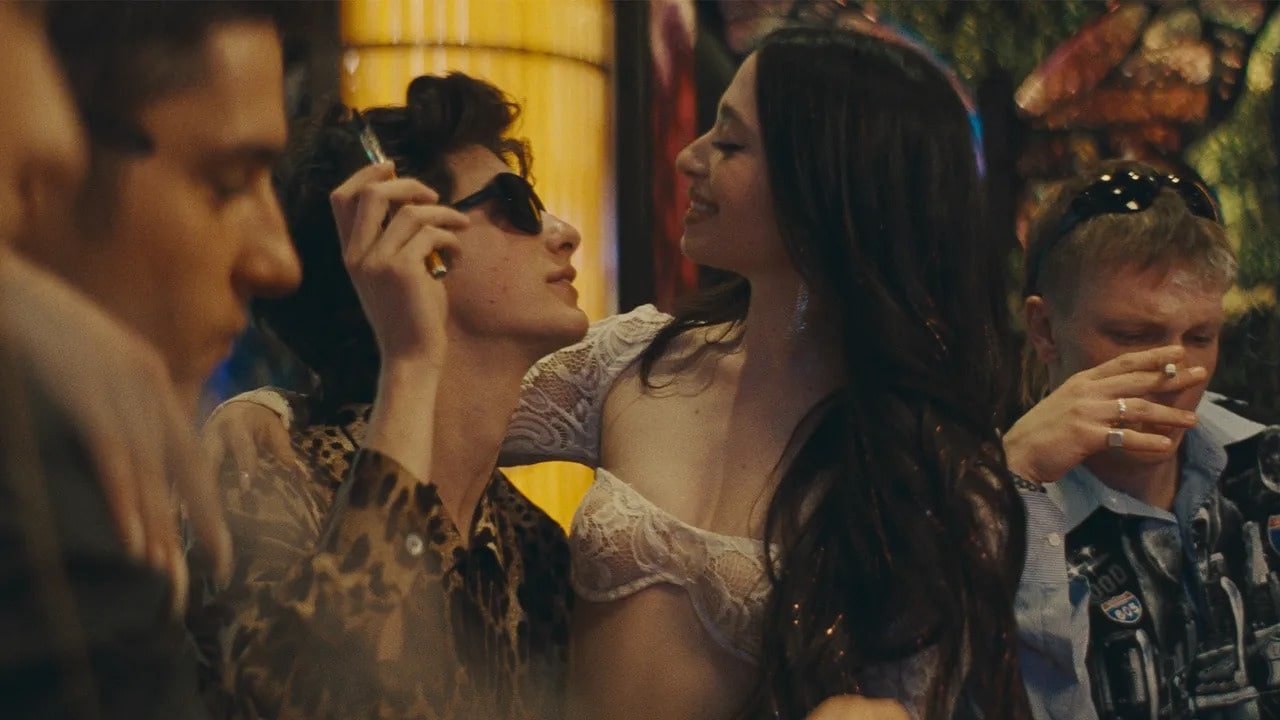
The one precedent Baker sets out of the gate is that Anora is about a sex worker, tossing scene after scene of Ani doing the one thing she gets paid to do. It doesn’t always make for a comfortable watch, but it makes it even more meaningful in every instance it’s contextualized. Baker lays a thick foundation for the audience and makes an example out of those who aren’t able to come to terms with what it’s like to be a sex worker. It’s a chaotic, stressful, and demanding job to accomplish every day. The workers become locked into a system they don’t necessarily want to be a part of, but it is the one thing they know people want from them. Being a sex worker is admitting that people objectify beauty, sex, and those that come looking for it. Ani’s rugged story throughout the film exemplifies such, with the male gaze being a fundamental element to how it teaches audiences to understand what it’s like to be a sex worker. Not a prostitute, or a whore, or a hooker. A sex worker.
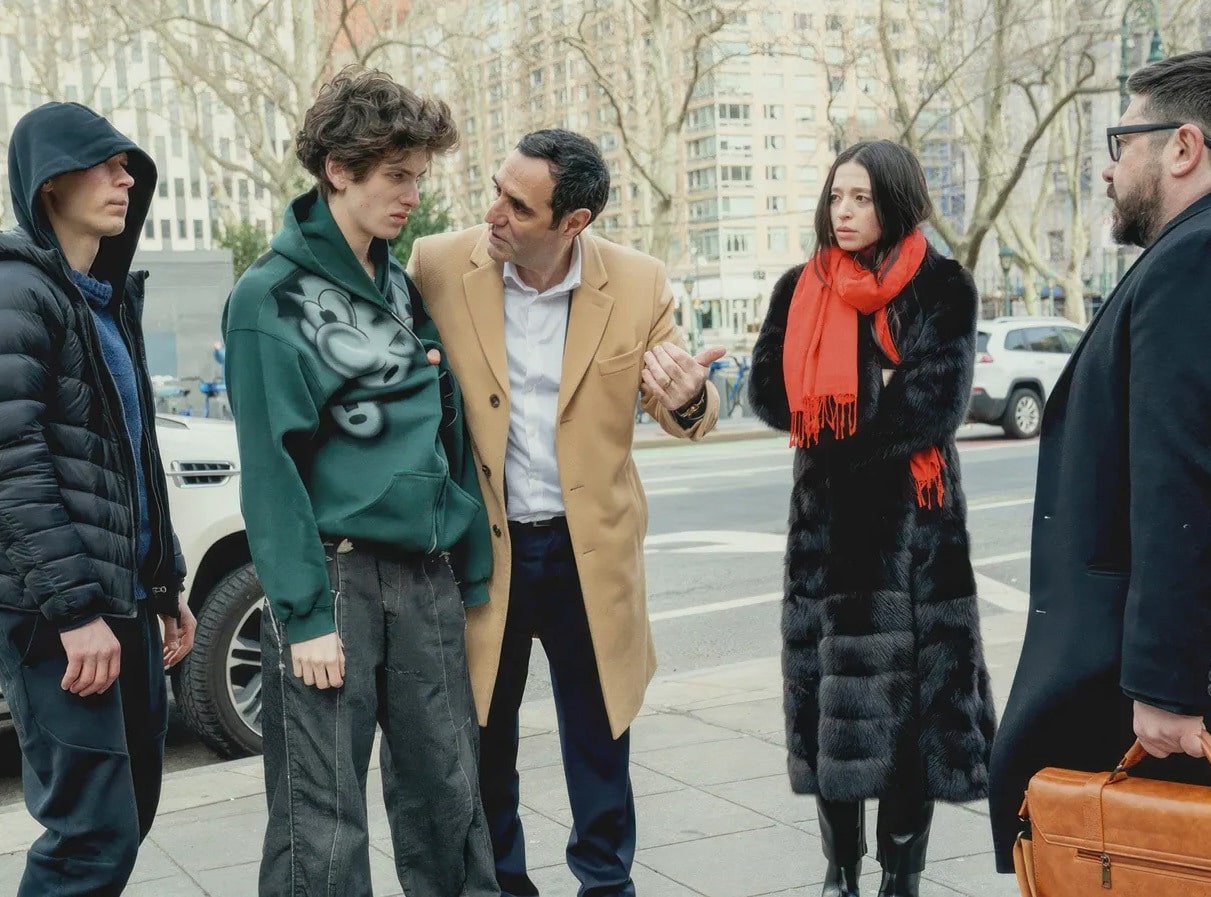
What makes Baker’s exploration of the sex working community in Anora so successful is how it masterfully toes the line between being a drama and a comedy. It creates and exemplifies one of the funniest and deepest explorations into real-world relations in a film with equally realistic observance. Each character Baker crafts has their charm and drawbacks, with Ivan, Ani’s husband, and his oligarch family lineage becoming the most problematic of all characters by the story’s end. Ivan is a happy-go-lucky individual who prioritizes fun above all else. This also leads him into the film’s conflict between him and his parents because how he prioritizes fun gets him into trouble and forces his swift marriage to Ani to come to an equally swift end. We learn alongside Ani that Ivan is not what he seems, revealing him as the very child his parents, godfather, and henchmen all know him to be. It helps Baker manage an equally defined de-glorification of romance and love, which cannot be sustained if one or neither party is interested in making it continue past initial attraction. And this brings Ani’s journey throughout the movie to a head because she ultimately doesn’t want to be the world’s punching bag. She doesn’t want to be where she currently is in life, and the film’s closing scene is a beautiful allusion to it.
By contrast, the film’s comedy guides audiences through how ridiculous a scenario Ani finds herself in. The oligarchical godfather and his henchmen already deal with Ivan’s ignorance in his family lineage, with his newfound love and marriage to Ani after a flight to Vegas being the cherry on top of a ludicrously large sundae. Baker takes it one step further by implementing a cultural and language barrier between Ani and the rest of the crew, creating one of the most chaotic second acts put on screen. It makes for some genuinely hysterical moments between the characters, with the best coming from Igor, a random henchman hired by Ivan’s godfather, who lives with his grandmother and is arguably only there because he’s being paid to be. He, like his fellow henchman, Toros, does incredibly ludicrous things because they are told to by Ivan’s godfather. Igor and Toros are miscommunication personified, and how they are portrayed is nothing short of spectacular and nonsensical in an otherwise tumultuous and taxing experience.

Igor’s role in Ani’s journey across the film becomes more and more telling of how Ani feels about herself and how she perceives others. Case in point: their dynamic starts with tension, but their respective journeys gradually work to debunk their connotations. Igor is a henchman, but he’s also just trying to get by. Ani is a sex worker, but she’s also a part of a system she doesn’t want to be a part of. By debunking each of their roles in the film’s proceedings, Baker reveals how equal in wavelength the characters are to each other. They are both paid to be objectified, and they each learn to respect each other past their defensiveness because of the work they are paid to do. The respective performances from Mikey Madison and Yura Borisov are by far the best in the film, past Baker’s exemplary talent as a writer, director, and editor behind the camera. They take an otherwise nonsensical journey following Russian oligarchs and make a blissful observation of what it’s like to be human, to pity the life you have made, and wish for something better within.
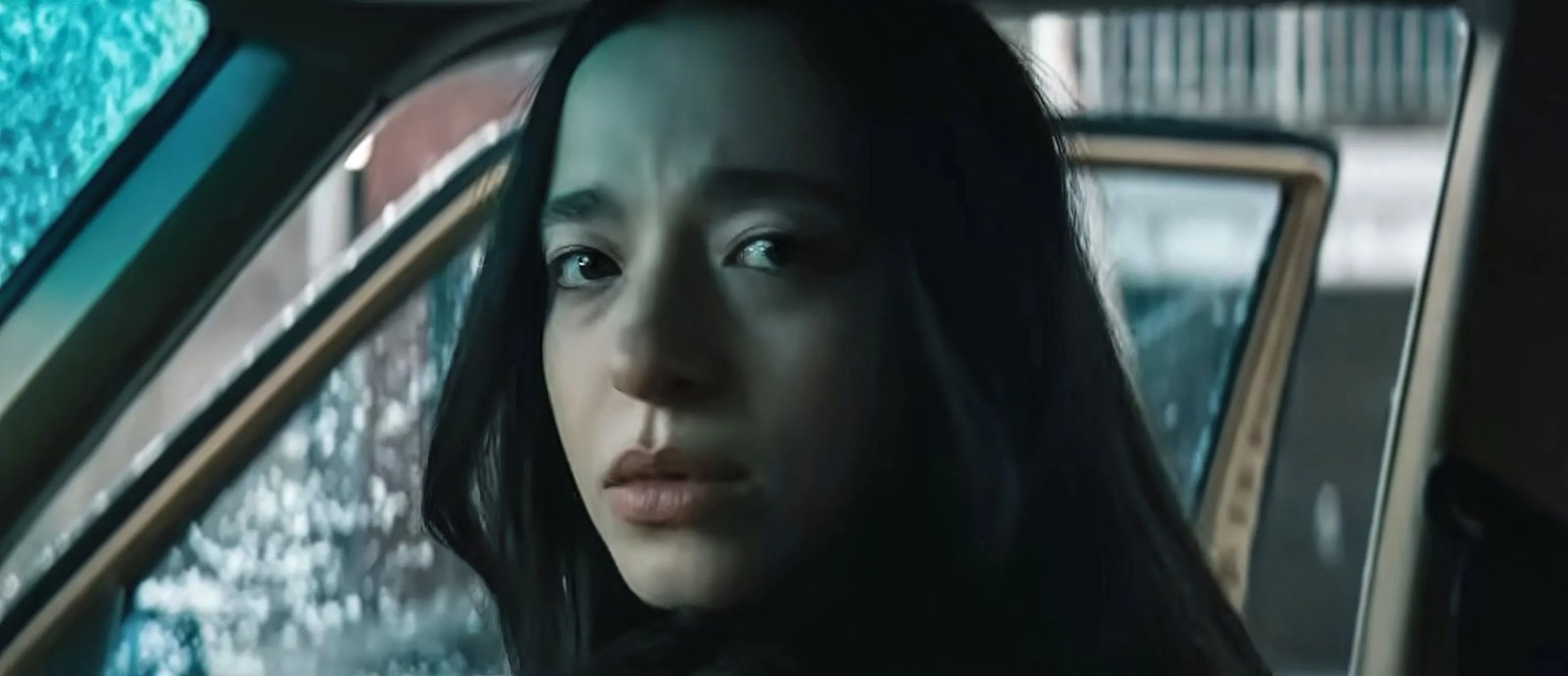
Anora will not be for everyone. It’s unexpectedly chaotic and sexual in ways that many will not comprehend or come to terms with. But those who remain patient and observe Ani’s life as a sex worker will be awarded an incredibly comical and emotional journey through the eyes of those who deserve better than what they receive from the world. Baker’s passion and support for the sex working community comes from his love and appreciation for what it means to be human, and his craft enables such a daring message to be accessible enough to make it the acclaimed film it has become. Likewise, Madison and the supporting cast’s dedication to portraying their characters benefits Baker and his story to an unexpected yet outstanding degree, with a couple of drawn-out moments barring it from being the fantastic experience many perceive it as. Again, this movie is not for everyone, but there will be those who can see through the glitz and glamour of it all and understand the hardships the film uncovers and the reality of some people’s lives in today’s world. That is what Baker has achieved, almost mocking those who cannot look past society’s objectification of beauty and glorification of sex.
© Creative Insight 2024