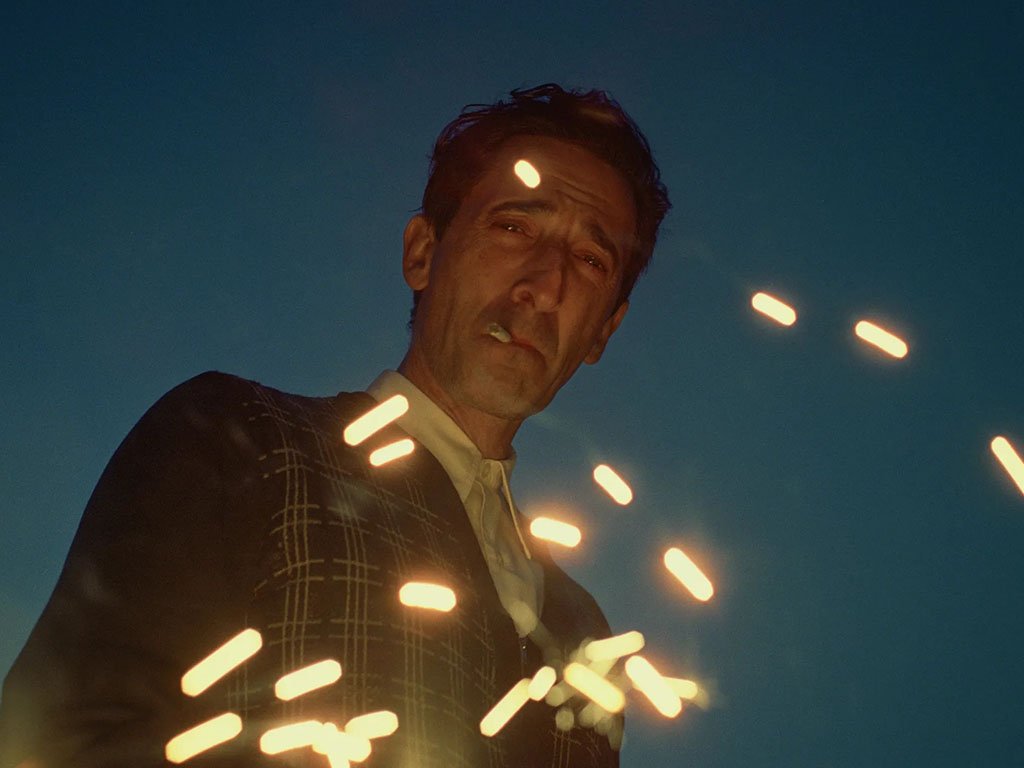
Since his breakout hit in David Fincher’s The Social Network, Jesse Eisenberg has had a bit of a tumultuous road down Hollywood Boulevard. For every Rio or Now You See Me, there would be Batman v Superman, the ladder becoming a punching bag in its respective community. However, it’s often the smaller productions he worked on–those that general audiences wouldn’t go out of their way to see–that would showcase his skills as an actor and storyteller. The End of the Tour would be a perfect example, being an A24-produced film starring himself and Jason Segel before the production company’s surge in relevancy. But his recent interest in writing and directing allured many to his debut film, 2022’s When You Finish Saving the World, and soon enough, his sophomore hit A Real Pain. Both share an amateurish quality, with Eisenberg still testing the waters with his talent behind the camera. Still, the ladder is much more put-together and observes a sliver of what two cousins’ lives offer to themselves and each other as they tour Poland.
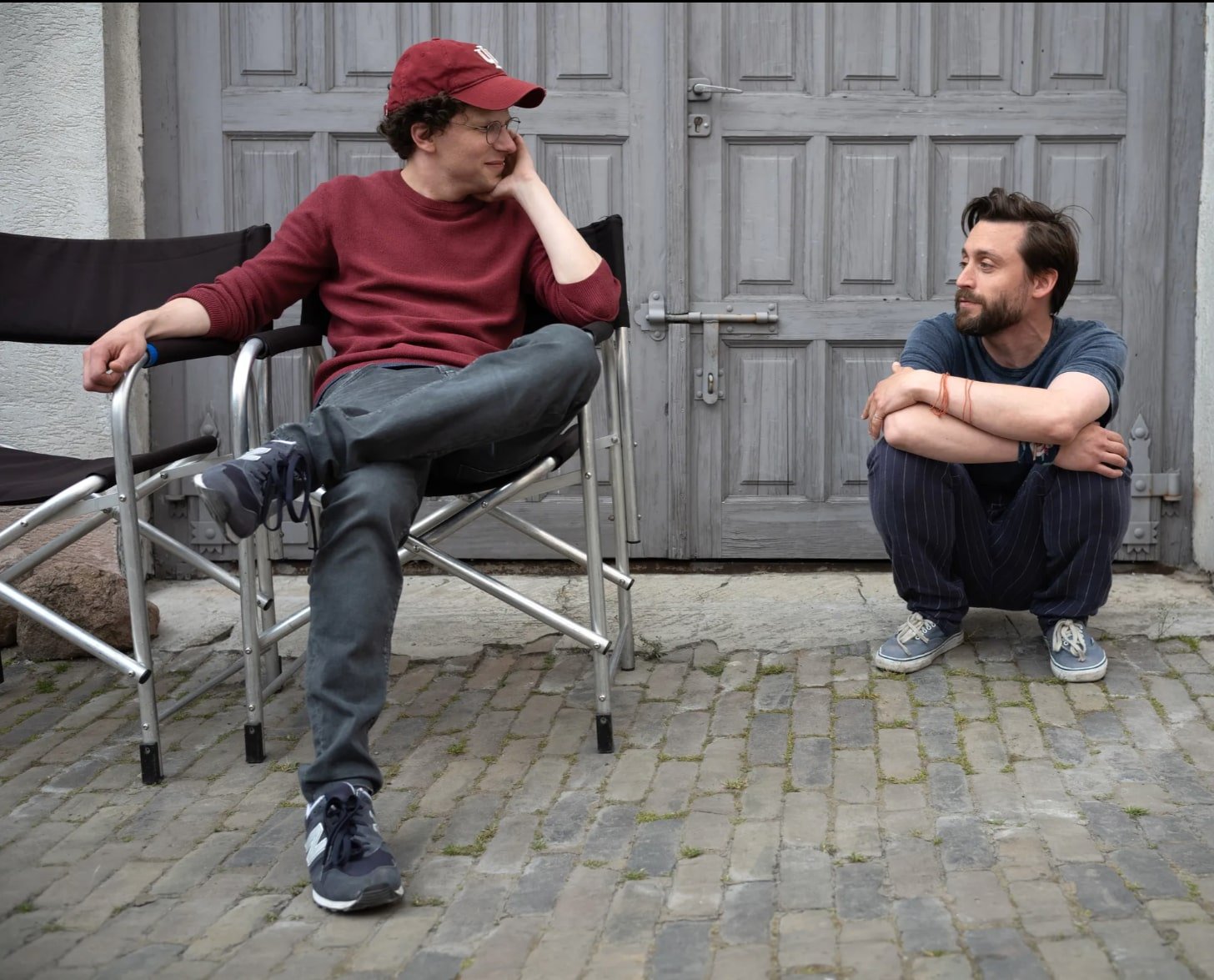
Jesse Eisenberg and Kieran Culkin's portrayal of two Jewish cousins, David and Benji, are informal and, therefore, unconventional. Rarely do movies approach dialogue in such a way, but it allows audiences to relate more to what David and Benji experience on their trip to Poland. Benji is more open to conversing with strangers than David, who thus has a more prominent and impactful role in selling their journey’s lesson about pain and traveling abroad. However, Benji’s prominence wouldn’t be the same without Culkin’s spectacular portrayal of him, invigorating the informality Eisenberg looks for. Eisenberg provides a similar informality to his performance, but not one as refined as Culkin’s. The same could be said for the supporting cast, who all play their parts, bouncing off Benji and David’s quips and antics. Yet Eisenberg’s tactical intention of laying Poland and Judaism as the film’s foundation makes the cousins’ journey the most profound. He pushes a narrative that many in the industry often refrain from, most notably in how people view the world and its cultures.
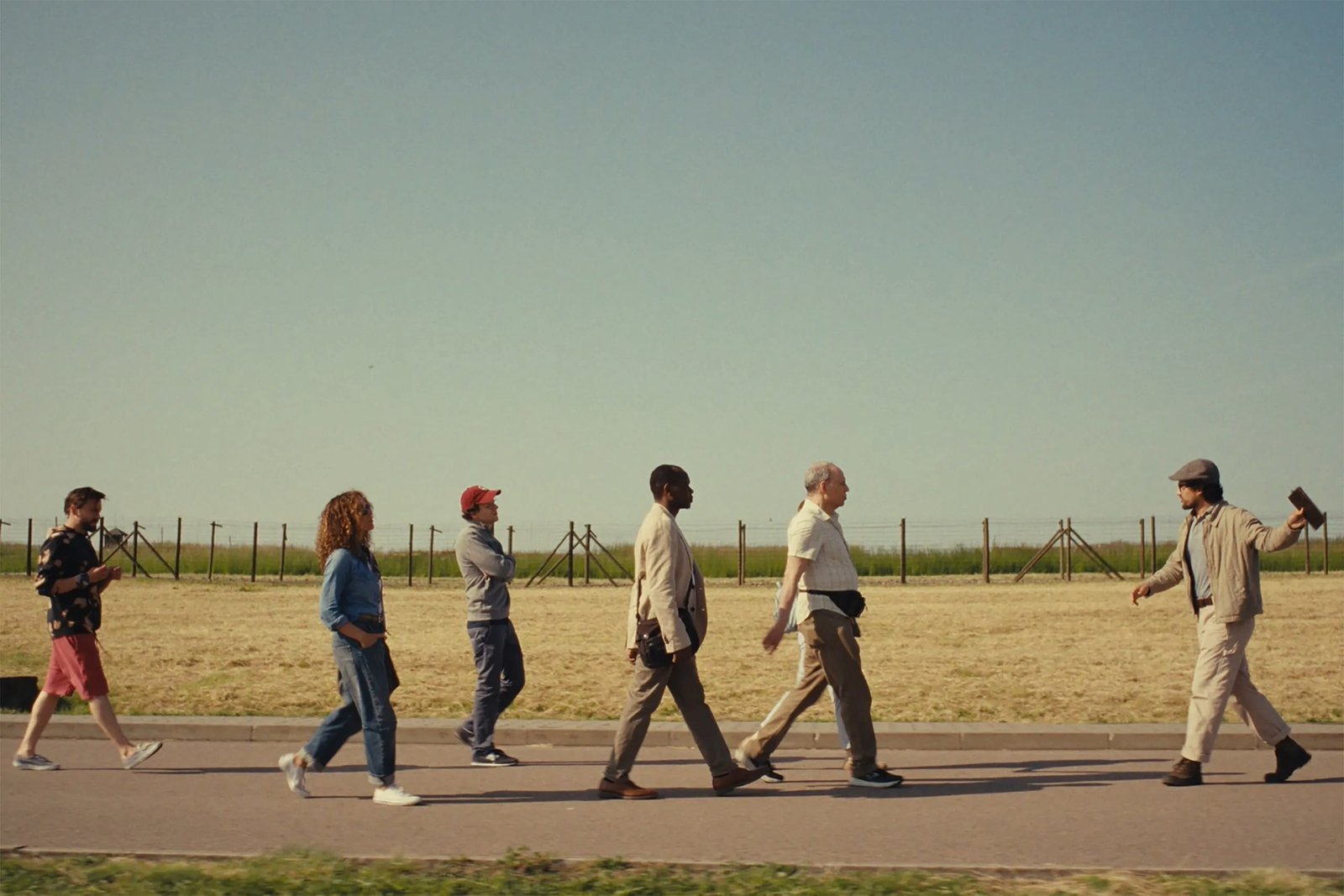
Eisenberg’s choice of setting is pivotal to Benji and David’s Jewish backgrounds and the experience such a journey abroad could bring them. Poland, like the rest of Europe and Asia, is a place rooted in history. Traversing the territory questions whether the triumphs and tragedies the country has endured over the centuries are worth coupling together. Every building and artifact steeped in cultural might and significance is a reminder of the millions of lives lost in World War II, and the film ponders whether it’s fair to learn about those tragedies while standing as the antithesis to what it had been like for Polish and Jewish people. Benji, played by Kieran Culkin and co-protagonist to Eisenberg’s David, poses to his fellow tourists and tour guide that it is unjust for them to dine in a first-class train car when their ancestors were shoved into train cars against their will. Is it justified to pity the dead when the living have reached a privileged lifestyle they wish they could have?
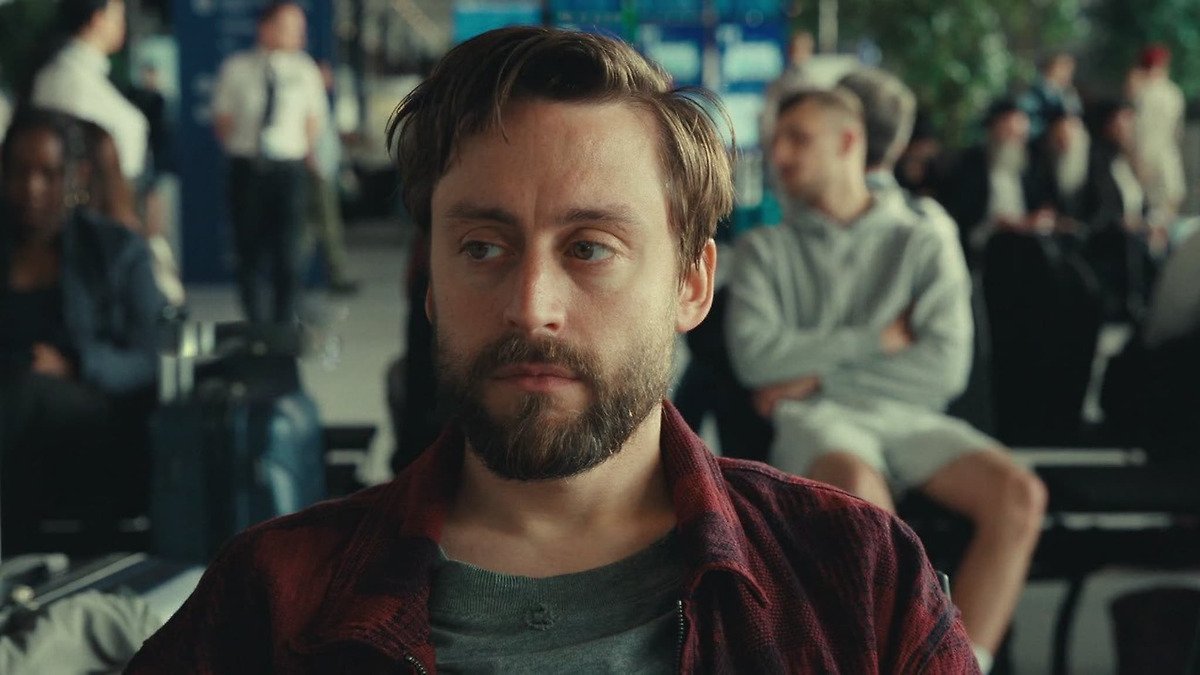
Benji is within reason to feel the way he does, but his charisma often juxtaposes his outward rants about how society functions today. Amidst his charm and likability rests a man who knows what it's like to feel real pain. Benji resents those who think they do and wishes he wasn’t so troubled by his shortcomings as an individual, but he can’t help but know he is not who people think he is. He knows what he has done. He knows how he has felt. His and David’s grief about their grandmother’s passing is separate, despite both fundamentally sharing the same feeling. Benji connects with people, but is often ostracized by how he connects with said people. He had a loving connection with his grandmother, but is the only person who had taken the time to appreciate him for who and what he was.
David tries to understand, but like everyone else, falls short of appreciating Benji for all that he is and instead separates his personality into two succinct individuals. The other tourists even agree with David’s sentiment: everyone is, in some capacity, in pain. But it is often what is not said–at least until David spills about why his relationship with Benji is so troubling–that you realize Benji’s reality. He has no purpose, and everyone else just looks at him, baffled that someone so funny and charming sleeps on his mother’s couch while his cousin is living the desirable life in New York City.
The world–much less David and the other tourists–cannot understand what people are going through because they aren’t willing to understand it. Admittedly, people like Benji do not wish to admit such discrepancies. But David and the tourists are why Benji is in such a melancholic headspace: nobody gives him a chance. Aside from his deceased grandmother, nobody respected him for who he was and what he had been through. He has nobody left who understands him, and any time he opens up about his discrepancies, there are people like David who compare themselves to him like his life could have been so much better than it is.
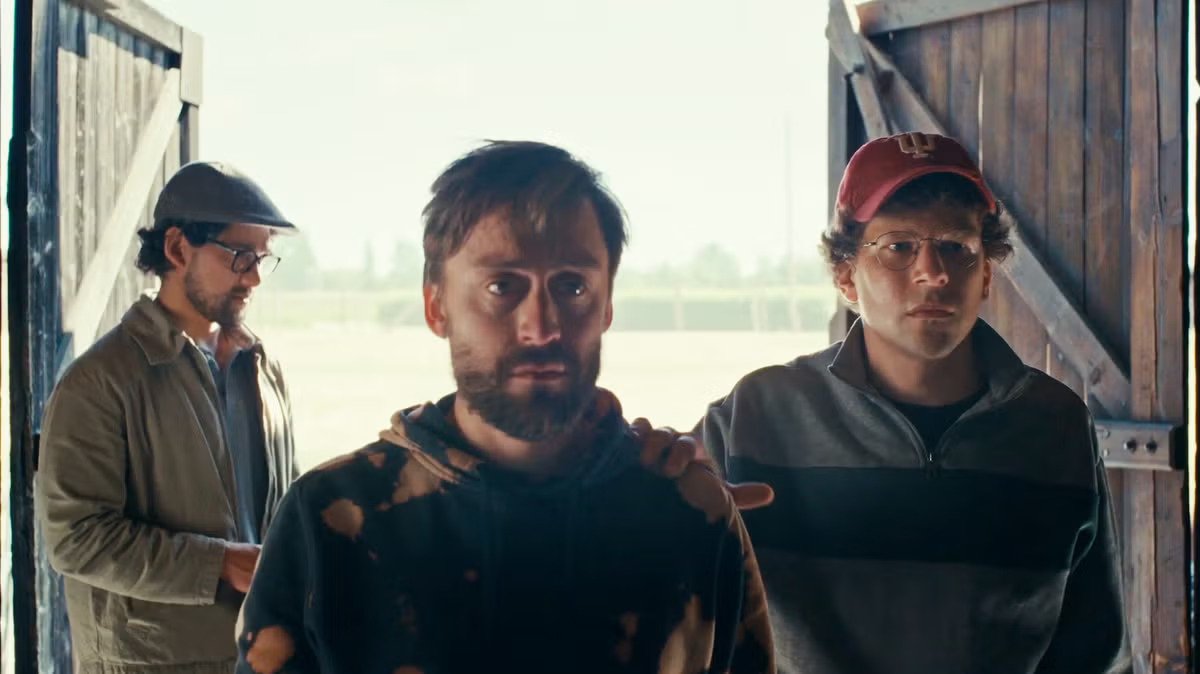
That said, the other tourists do show some restraint when judging Benji. They respect his charm and humor because he knows how to read a room and react to people’s remarks. They consider his outbursts and show him he has every right to feel how he does about himself and the world. Throughout their journey across Poland, David sees and learns more about Benji, past his shortcomings. He grows to see him as one individual, not two fractured souls needing repair. He becomes more open-minded about who people are and why they say what they do, alleviating the disparity between himself and Benji in how they approach life. Benji has problems, but David also knows that he has them. He is an anxious and passive individual who worries about saying or doing the wrong thing–a direct antithesis to Benji’s blunt and carefree attitude when sharing his feelings about things.
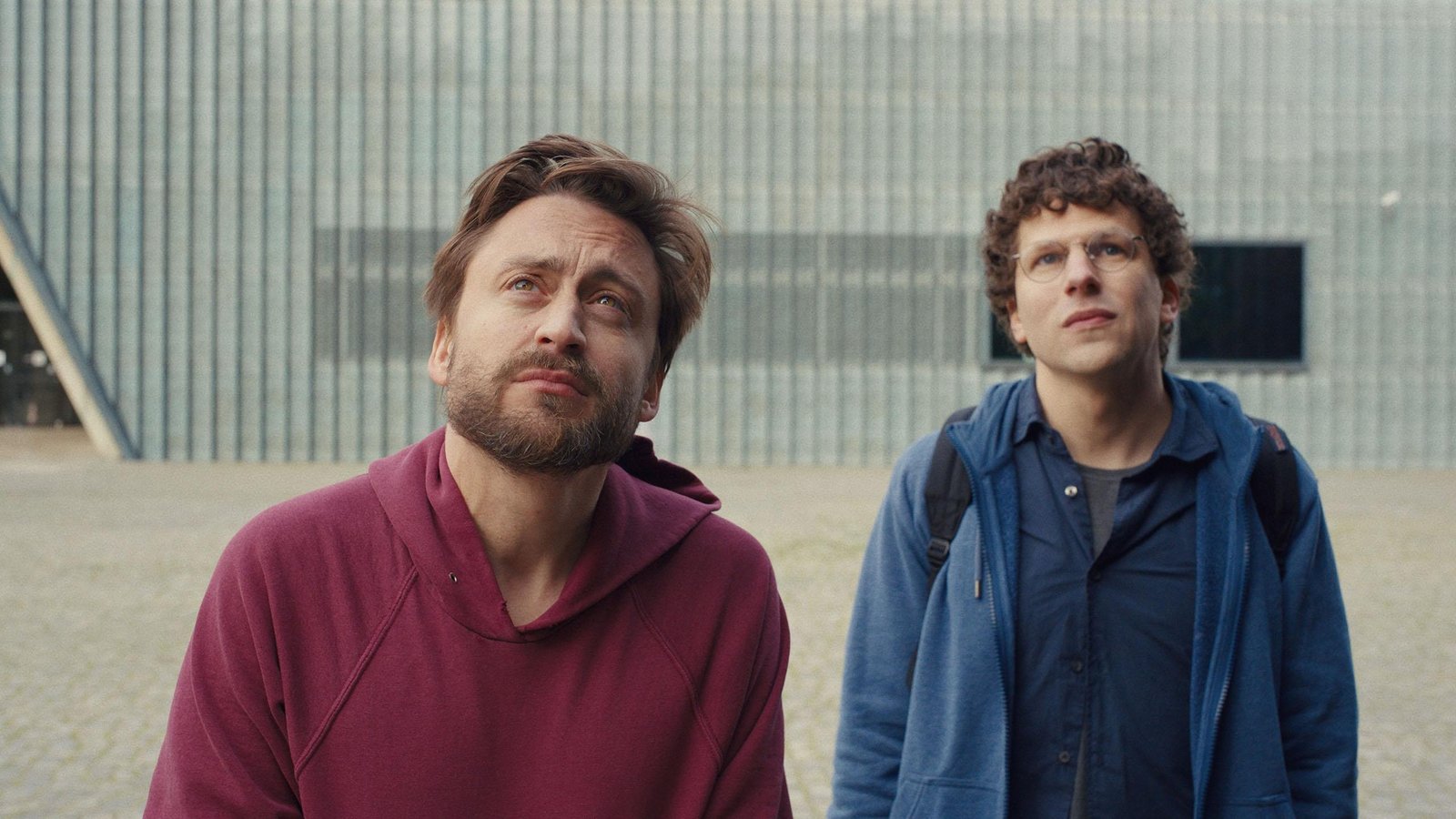
The cousins’ journey to and from Poland represents the modern American experience–one with strife and an inability to change perspective on how people and the world go through their days. Their journey starts in a tight, closed-minded space where our way of living is the only way. But as it journeys abroad and visits the sights and sounds of Poland, it is good–healthy, even–to learn and understand other perspectives. It doesn’t matter if another perspective differs from one’s own. Rather, they can vary from one another. Traveling through Poland opens up the cousins and their fellow tourists to those perspectives, and allows them to gain new perspectives on life through another cultural and personal lens.
Eisenberg’s approach to the material acts as much as an advertisement to travel abroad as it does for learning what it’s like to feel someone else’s pain–a daring achievement for someone still fresh to filmmaking. And while there remains room for improvement in Eisenberg’s directing, his growth over the years is better than expected. Plus, he is willing to say more about our world’s dire shortcomings in thought and expression than most blockbuster films have done in the past several years–a level of depth I expect to see more of as his writing and directing career continues.
© Creative Insight 2024