
Almost everyone finds comfort in the stories we create for each other and the world—either because of the state of the world or how someone’s feeling. This is how storytelling was born and has thrived since its exception: as an exchange between creatives and those who wish to escape their daily escapades. However, how we choose to experience these stories is often disregarded. Some mediums are more straightforward: reading books on paper or a digital screen; playing games on a handheld, console, or computer; or watching TV on a phone, tablet, computer, or television. All these mediums have multiple ways to experience them but often provide a similar experience to one another. Movies, however, share a much different story. Granted, it shares the same screen capabilities as TV, but where the money and brilliance are made is in movie theaters.
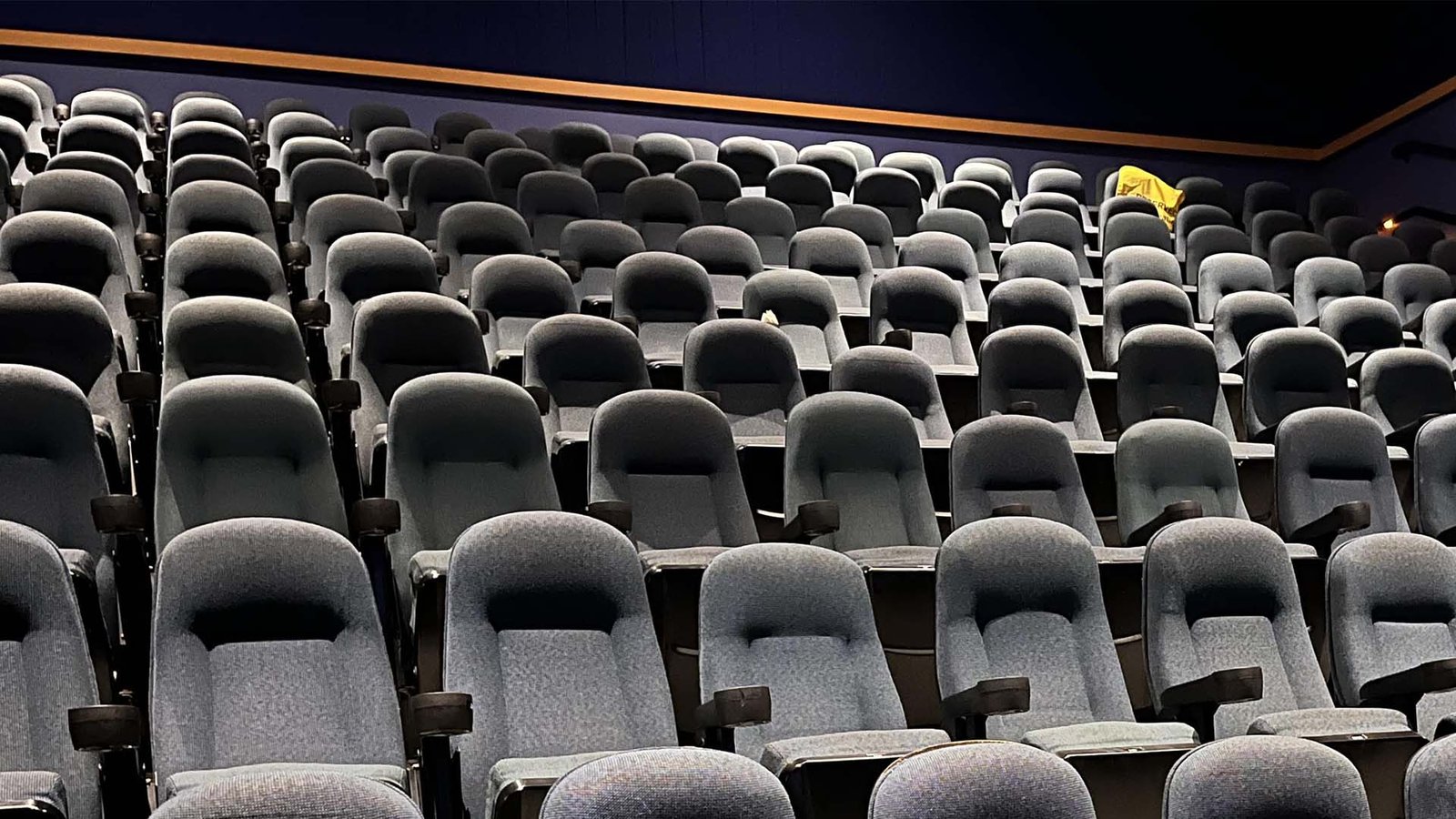
Many directors and cinematographers will jump across the room to tell people that their movie is made for theater viewing, but they have every right to. In contrast to TV, movies have much more money involved in their productions and marketing, partly due to the talent and effort put into today's and yesteryear’s movies. Scorsese, Spielberg, Hitchcock, Nolan, Villeneuve, Coppola, and many highly reputable directors are household names because they bring a certain level of passion, craft, and expertise to anything they get their hands on. Therefore, those experiences that have been carefully crafted for people to be immersed in would naturally benefit from a larger viewing screen. Ergo: movie theaters.
This isn’t to say that watching movies at home is completely null and void. Some movies would have never received a release or commercial success without the option of at-home media. However, movies are made with the theater experience in mind. For example, many independent film productions shop around for a streamer or distributor via film festivals, which are done in movie theaters with an audience present to enjoy the film.
Another benefit of theater-first distribution is experiencing a movie with other people. The raw emotion from a full theater is strikingly different than what you get at home. The filmmaker’s passion for their films is reflected in their audience, who respond with equal passion. The audience’s diversity in thought and expression makes going to a movie theater such a powerful and unique experience that is not replicated elsewhere. However, it’s also something that many have forgotten about the theater-going experience in the last half-decade.
Since the pandemic’s shutdown, movie theaters have struggled to keep themselves open, and for a few reasons. One: the pandemic forced businesses to close their doors to customers. Two: it took until late 2021 for movie theaters to return to normalcy due to the rise and return of blockbuster films. Three: film companies like Disney created competing streaming services to obtain their exclusivity and lost revenue before the pandemic began, creating a shortened theater-to-digital timeline. Thus, people are less incentivized to see a movie in theaters when it will eventually be available at home a few weeks later.
This third and final dilemma is the most damaging, as some companies now resort to releasing movies theatrically for as little as one to three weeks before releasing them digitally. By shortening the window, they shorten the timeframe for people to see the movies in theaters, and make audiences more willing to wait until they leave. Mind you, these are blockbusters that are being given shorter release windows, not independent auteur films.
However, another factor to consider is how little marketing and advertising some films receive from their distributors, leading to smaller profits come theatrical release. Not only do some production companies minimize the theatrical window, but they give audiences little incentive or mass appeal to see their movies whatsoever, let alone in a movie theater. This is how big filmmakers, like Scorsese and Spielberg, have walked away with movies that never made a profit.
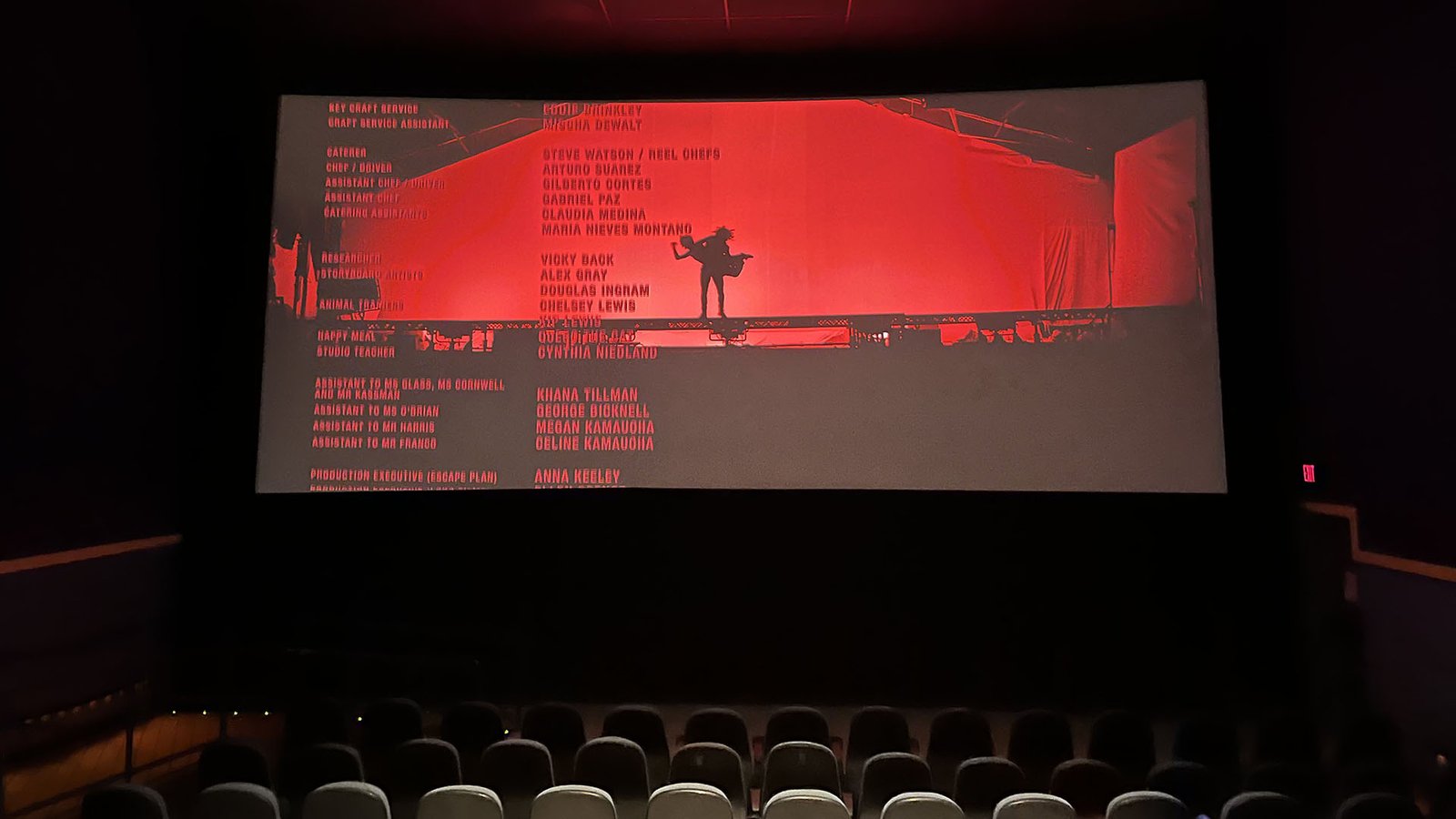
There are already initiatives providing greater importance to seeing movies in theaters. Many film communities, like those seen on Instagram, TikTok, or Letterboxd, underline the theatrical experience to viewers. People are incentivizing others to watch movies in theaters in place of the companies distributing them. Some distributors have also let certain films have a larger theatrical window than currently expected in the industry, with recent releases like Oppenheimer and Inside Out 2 benefitting most from this decision-making.
It is evident that, for the right movie, a longer theatrical window is much more accessible and profitable than shoving them onto digital storefronts or streamers. Despite recent events forcing companies to continue using the abbreviated pandemic release model, the industry is slowly returning to the theatrical windows from before the pandemic. All it takes is the right film, and filmmaker, to push for and warrant a big window to move the needle and reap the opportunity’s benefits to warrant more films to garner extensive theatrical releases.
© Creative Insight 2024


