Featured in November 2024's minizine, I spoke with Zachary Go, an aspiring video game developer and composer and a close friend of mine. The following includes the best from our discussion about his upcoming project, his source for inspiration, and how important it is to share stories regardless of their medium.

“To me, making a game is made up of a bunch of different parts. You have art, you have music, you have programming, you have story, and a ton of other subsets. I think my background, whether I knew it or not growing up, I was able to start honing those skills differently. With music, I started playing violin when I was four, and I went to this Suzuki music school, where they taught with sheet music and listening. I’ve stuck with it ever since, and I’m 19 right now, so it’s been a good 15-year run, which is crazy to think about…Moving into high school, I decided to branch out and learn other instruments because I can compose best if I mentally understand how each instrument functions in an ensemble. I picked up viola, cello, a little bit of piano and guitar, and then the related ukelele.”
“With art, I never received any formal lessons or training. But I would always doodle. Even into middle and high school, I always had a folder filled with blank pieces of A4 paper, and whenever I was done with my work early or there was some downtime I would sketch. I would read too, but I always preferred to draw.”
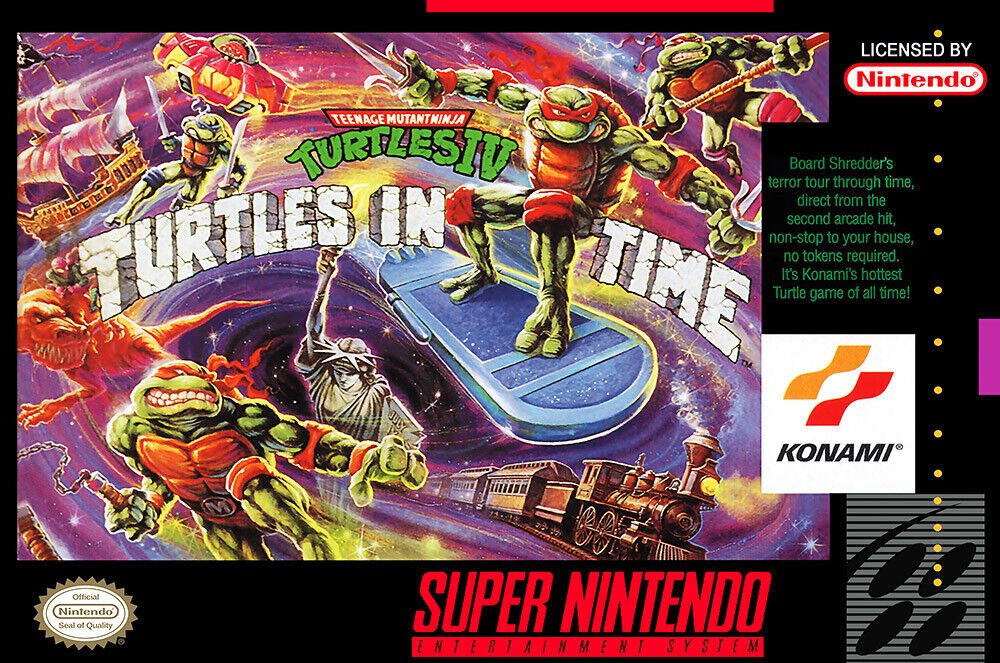
“For game music, I grew up with the Super Nintendo. My uncle had one in the vacation house he had that I’d go to every summer…There was this one game, Teenage Mutant Ninja Turtles 4: Turtles in Time, which is a great beat-em-up and has a banger soundtrack. That game has a sound test menu, and I remember going to it and putting on the tracks, sitting there and listening to them. I think that also helped give me the idea that music is in games and can be really good, and that I could make music for games one day.”
“With making games in general, I played Undertale in 2016. Before then, I was always doing creative writing in my free time, and at that time I already had experience in writing, drawing, and music, and other things. I realized that Undertale is just a phenomenal game made by basically one guy, Toby Fox, with Temmie Chang doing the art. There were other contributors here and there, but this [one] guy got this done and kind of did everything, and I could probably do that too since I already had a head start on those “pillars” of making [video] games.”
“I don’t want to give too much away, but as I mentioned earlier, I grew up on the Super Nintendo. There’s a lot of great RPGs on that system that have influenced a lot of modern RPGs, including indies like Undertale, Sea of Stars, Omori, and so on. I think my game fits into that same category of being a SNES-inspired, JRPG-inspired RPG. There’s definitely some influence there. There is also Persona. A lot of their structure and general flow are also inspiring the game I’m working on now.”
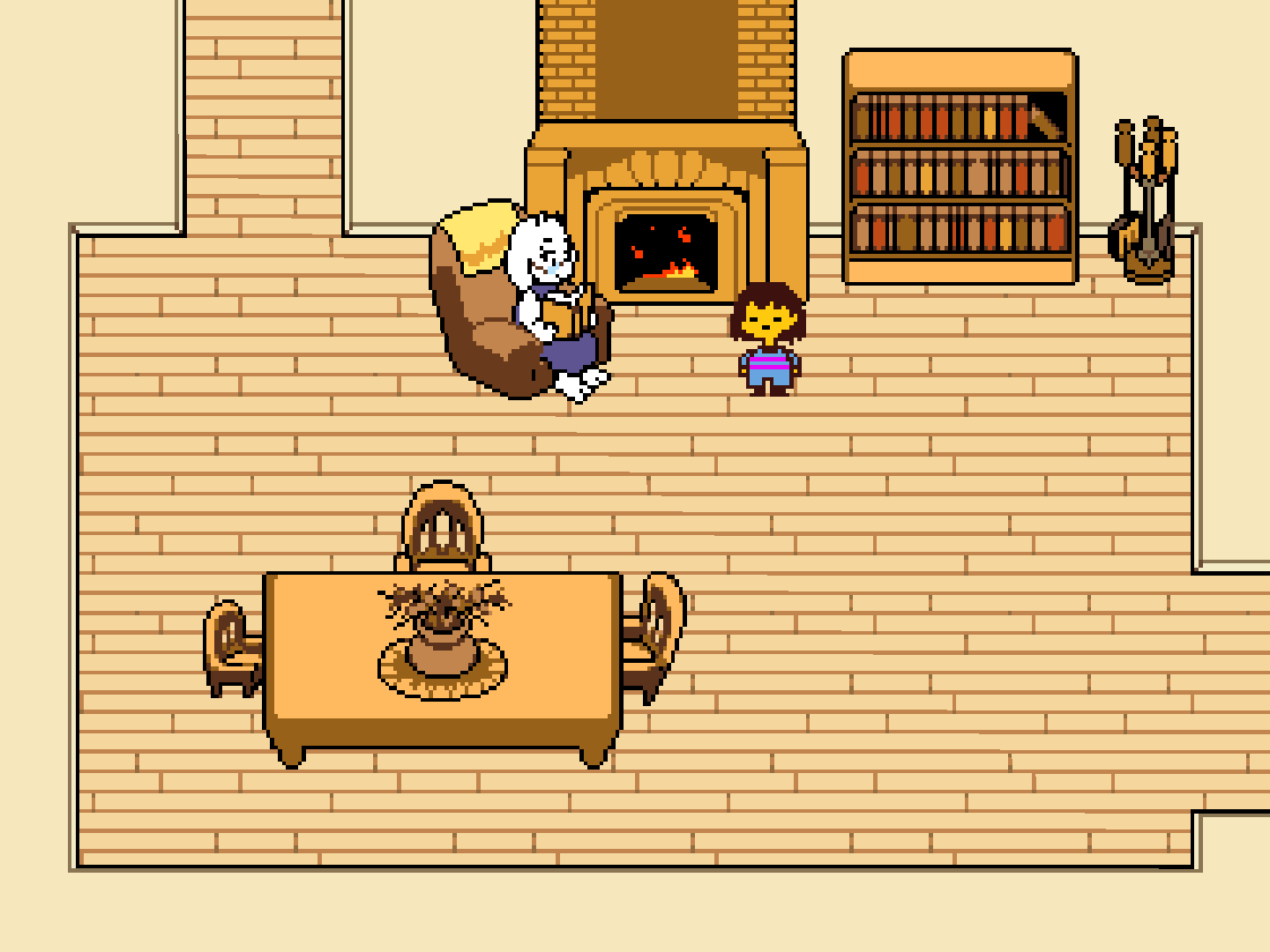
“When I play these story-rich games, that take a long time to beat, they’re kind of a form of escapism. Sometimes life sucks, it happens, and I think that’s something everyone can relate to. To me, immersing yourself in a game, especially an RPG where you can sink hours and hours into something with such interesting characters and an interesting story and world that you can put yourself into the shoes of that protagonist and be distracted from whatever may be worrying you in real life. Undertale and Persona definitely did that for me, and if one person plays my game and could do that for them, and give them that safe place, I’ll be happy.”
“From the creator’s perspective, one thing could be sending a message. I hope that my specific message could be conveyed through my game and reach more people, and I think that’s important and that everybody has something to say. Stories, in general, can really push that and show people different things. Even if that’s not a message, even if the creator themselves just has a cool experience they had or they want to tell a story that’s completely out there or funny. Sharing something cool, making something, is art, and art is a beautiful thing and an integral part of the human experience.”
“Escapism, of course, is important. It’s something that many people struggle with, especially during the pandemic. That was a time where everyone was stuck inside and was sad because you have no physical interactions aside from the people living in your home. Going out was difficult, it was scary. People weren’t doing well, and that was a time where [video] games, and any stories, took off because people needed that escapism and were able to get that comfort and safe place out of them to distract them from what was going on."
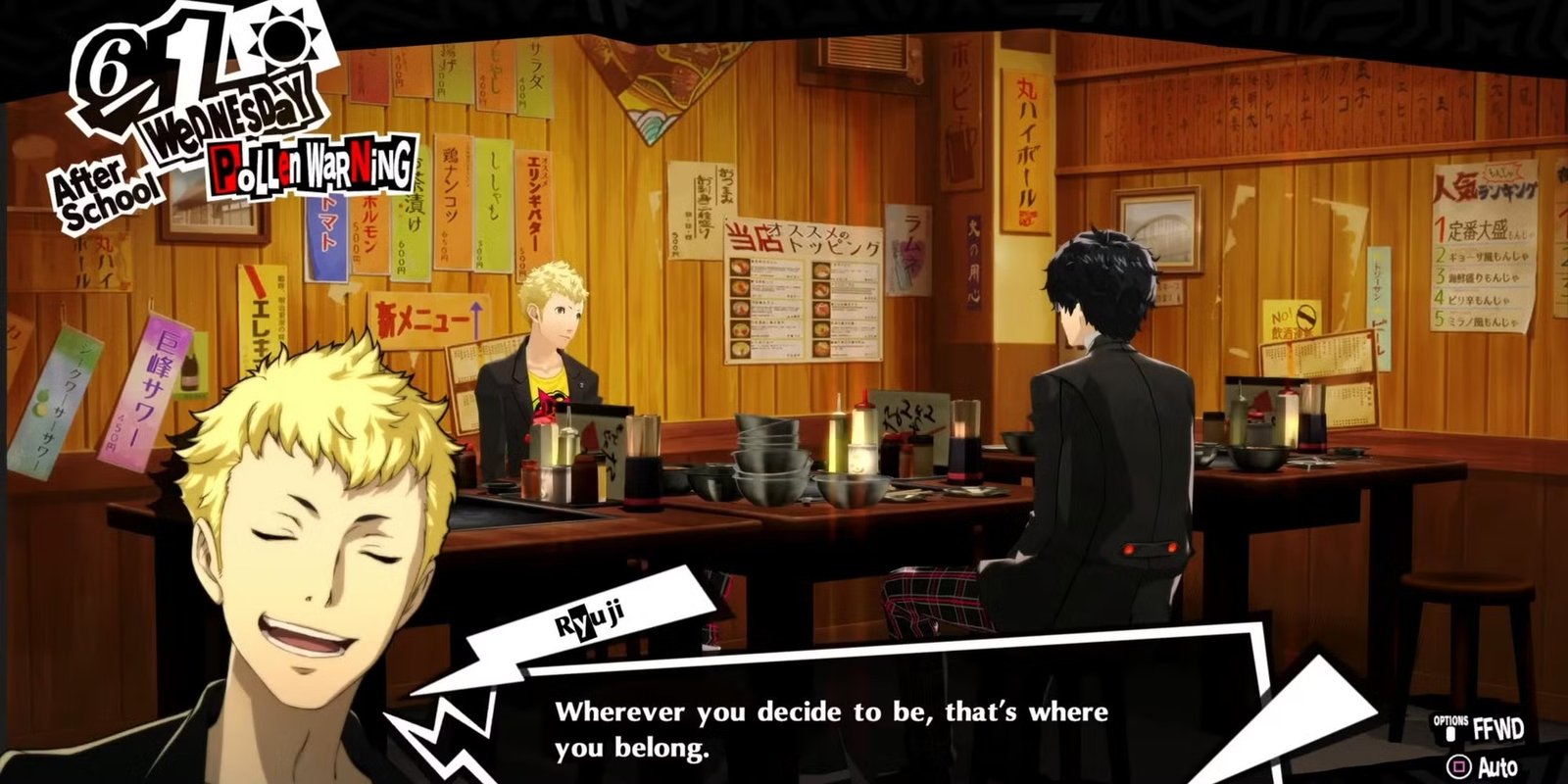
"[There's] also empathy. It, in my opinion, is the human experience. Connecting with other people, feeling what they feel, and connecting with them on that deep of a level is something that’s super important, and being able to absorb or internalize these experiences, even if they’re not your own, is something a lot of stories convey through their narrative. You can be put into these medieval fantasy world and adventures and meet all these really interesting characters. People really resonate with these characters, even if they’re fictional, and it’s kind of beautiful how people can have the capacity to connect to these stories that are told across mediums. Does that not make them an extension of the human experience?”
“Audience reactions are also a huge part of the theater experience. With Avengers Infinity War and Endgame, people’s reactions to character deaths and other key scenes are something you can’t get at home. If you get a group of friends to do a watch party of a movie none of you have seen before, maybe you can get that, but the theater is an easier way to do that. Unfortunately, there’s less people going to the theater now. It has recovered a little since the pandemic with big hit movies, but the numbers are definitely not where they were before, which is sad. There’s also the argument of the filmmaker’s initial vision. Most filmmakers have probably created their films with theaters first in mind. Not to say you have to consume media how the creator intended, but if the creator is saying it is the optimal way to view their work, that’s probably the best way to view it and would be a good idea to see it in a theater.”
© Creative Insight 2024